









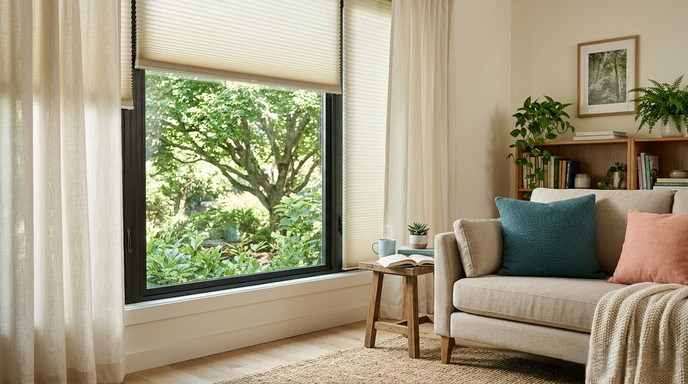
If your home heats up fast, glares off every screen, and feels loud and busy, your windows are probably working against you. Heat and light move through glass much more easily than walls, so a few smart window ideas to keep home cool can dramatically change how your space feels—and how much you spend on energy.


The good news: you don’t have to renovate everything at once. A mix of passive cooling window tips, calm and cool home window treatments, and a few energy efficient windows for a cooler home can work together to lower heat gain, filter light, and create that soft, quiet mood you’re craving.

How Windows Affect Heat, Light, and Mood in Your Home
Windows are responsible for a big chunk of heat gain and loss in a typical home, especially older ones with clear single glazing. In summer, sun streaming through unshaded glass can overheat rooms and force your AC to work harder; in winter, the same panes can leak warmth back out.
Key principles behind energy saving window ideas:
- Reduce solar heat gain when you don’t want it (hot afternoons, west‑facing glass).
- Use passive cooling with windows when outside air is cooler than indoors.
- Insulate glass and frames with better materials and layers.
- Soften and control light with calm and cool home window treatments instead of bare glass.
When you combine these strategies, you get both an energy efficient windows for a cooler home effect and a calmer, more visually soothing space.
Window Treatments That Keep Your Home Cool and Calm
The quickest place to start is with window treatment and decor you can install yourself. The right layers can significantly cut heat gain while creating soft, neutral daylight.
Popular energy saving window ideas with treatments:
- Honeycomb / cellular shades to keep home cool: honeycomb shades trap air in their cells, creating an insulating layer between the room and the glass, reducing summer heat gain and easing the load on your AC.
- Thermal or blackout curtains for summer heat: lined curtains reduce heat and block intense sun, making them useful for bedrooms, media rooms, and any window that bakes in the afternoon.
- Light filtering shades for a calm, soft light: these diffuse harsh sunlight into a gentle glow, perfect for living rooms and home offices where you still want natural light without glare.
- Interior shutters to block heat and reduce glare: adjustable louvers let you direct light upward while keeping direct rays off your floors, furniture, and screens.
For a calm home mood, choose soft neutral curtains for a cool and calm living room—think whites, beiges, and gentle greiges—which bounce light around without feeling stark. Pairing light filtering shades with heavier drapes gives you flexible control between bright daytime softness and near‑blackout rest.
Passive Cooling and Low-Tech Window Solutions
Passive cooling with windows is one of the most powerful low‑tech strategies: using night air, shading, and timing to keep indoor temperatures lower.
Core passive cooling window tips:
- Open at night, close in the day: open windows in the late evening, night, and early morning to flush out heat when outdoor air is cooler, then close windows and pull down shades during the hottest, sunniest part of the day to trap the cool air inside.
- Reflective window film to reduce heat gain: thin films applied to glass can reflect a portion of infrared and UV radiation, cutting solar heat before it enters the room while still letting light in.
- Exterior shading with awnings, blinds, or pergolas: shading the glass from the outside is extremely effective because it stops sun before it reaches the window—awnings, exterior blinds, or a pergola with slats or vines can dramatically reduce indoor heat.
- Planting trees and shrubs to shade windows naturally: deciduous trees or tall shrubs placed in front of south‑ and west‑facing windows provide shade in summer while allowing more light through in winter when leaves drop.
These passive cooling window tips are especially powerful when combined: research shows that night ventilation plus shading can keep apartments out of dangerous temperature ranges and cut AC loads by up to 80% during severe heat waves.

Energy-Efficient Windows and Smart Tech That Help Keep Rooms Cool
If you’re renovating or replacing windows, the glass and frame technology you choose can lock in big long‑term savings.
Key products and technology:
- Low E energy efficient windows to keep home cool: low‑emissivity coatings reflect a large portion of UV and infrared radiation while still allowing visible light, which helps keep interiors cooler in summer and reduces heat loss in winter. Low E glass can cut window‑related energy loss by up to around 30% or more compared with older clear units, depending on climate and installation.
- Double glazed or triple glazed windows for insulation: multiple panes with air or gas between them increase insulation, helping maintain stable indoor temperatures and reduce reliance on mechanical cooling.
- Smart blinds for passive cooling and calm lighting: app‑controlled or automated blinds can lower themselves during peak sun hours and open when light and heat are softer, applying passive cooling with windows without you having to remember daily.
- UV blocking shades to protect furniture and reduce heat: fabrics and films that block UV help prevent fading and also cut some of the heat that would otherwise pass through.
You don’t have to upgrade every window at once. Start with the worst offenders—sun‑blasted living room windows or a bedroom that overheats—and pair new glazing with calm and cool home window treatments for the biggest impact.
Window Ideas for Calm, Cool Rooms: Living Room and Bedroom
Beyond energy metrics, you likely care about how your home feels. The right combinations create both a cooler and calmer space.
For a cool and calm living room:
- Use soft neutral curtains for a cool and calm living room layered over light filtering shades so you can enjoy gentle daylight without harsh sunlight.
- Add honeycomb / cellular shades to keep home cool on the sunniest windows, especially large panes.
- Consider interior shutters to block heat and reduce glare on screens while still letting light bounce off the ceiling.
For a quieter, cooler bedroom retreat:
- Choose thermal or blackout curtains for summer heat on bedroom windows to reduce early‑morning light and heat spikes.
- Add light filtering shades underneath for daytime privacy and calm, soft light.
- Use passive cooling window tips in the evening—open windows when the air cools, then shut and shade them before the sun hits directly.
These window ideas for a quieter, cooler bedroom retreat help you sleep better, protect your circadian rhythm, and prevent that “overheated, noisy” feeling in your most important rest space.
Practical Checklist: Energy-Saving Window Ideas That Keep Your Home Cool and Calm
Use this simple checklist to plan upgrades without overwhelm:
- Identify the hottest rooms or windows (afternoon glare, rooms that stay stuffy at night).
- Add honeycomb / cellular shades to the worst heat‑gain windows to keep home cool.
- Layer thermal or blackout curtains for summer heat in bedrooms and media rooms.
- Choose light filtering shades in living areas for calm, soft light and reduced glare.
- Consider interior shutters in rooms where you want flexible control and a classic look.
- Start passive cooling with windows: open at night and early morning, close during the hottest hours, and lower blinds or shades on sun‑facing windows.
- Apply reflective window film on windows that you can’t shade from the outside but that get strong sun.
- Add exterior shading where possible: awnings, exterior blinds, a small pergola, or trellises with climbers.
- Plan long‑term upgrades: low E energy efficient windows and double glazed or triple glazed windows for insulation in the most problematic rooms.
- Explore smart blinds or timers to automate closing during peak sun and opening when it’s cooler.
As you layer these energy saving window ideas, your home gradually shifts from hot and glaring to cool and calm—without needing to run the AC at full blast all day.
You don’t have to renovate your entire house to feel a difference; even one shaded, softened window in your main living space can lower the temperature and your stress. Start where the heat and glare bother you most, make one or two changes, and let your cool, calm home evolve window by window.

FAQ
FAQs About Energy-Saving Window Ideas That Keep Your Home Cool and Calm
What if I don’t have time for big window projects right now?
You can get meaningful results with very small steps. Start with simple calm and cool home window treatments like light filtering shades or thermal curtains you can install in an afternoon. Add passive cooling window tips—open at night, close in the day—without buying anything new. Later, when you have more time or budget, you can explore low E energy efficient windows or exterior shading.
How can I improve comfort if I have low energy or live in a rental?
If your energy is low or you’re renting, focus on no‑drill options. Honeycomb / cellular shades with easy mounts, thermal curtains, and light filtering shades can all be added without permanent changes. Window film and UV blocking shades are also renter‑friendly in many cases. Combine them with passive cooling with windows at night and early morning to keep rooms cooler without major work.
How do I stay consistent with passive cooling habits?
Treat passive cooling window tips like part of your daily rhythm, not a complicated system. Tie “open windows” to an existing habit like evening dishes, and “close windows and shades” to your morning coffee or school run. If remembering is hard, consider smart blinds that automate shading during peak sun hours so energy saving window ideas become “set it and forget it.”
What can I do in very small or high-rise apartments?
In small spaces or high‑rise apartments, focus on window ideas to keep home cool without bulky hardware. Use slim honeycomb shades and light filtering roller shades that fit inside the frame. Reflective window film can help on hard‑to‑shade glass. Soft neutral curtains create a calmer mood without taking up much space, and passive cooling with windows at night (if it’s safe and allowed) can still make a noticeable difference in temperature.
How do I manage the mental load of all these options?
It’s completely normal to feel overloaded by choices. Instead of trying to design the perfect system, pick one window and one problem: too hot, too bright, or too loud. Choose a single solution—maybe honeycomb shades for heat or light filtering shades for glare—and see how it feels for a week. Over time, these small decisions build a set of energy saving window ideas that fit your home, instead of a generic checklist.
Small changes to your windows are still real progress—every shade, curtain, or film you add is one more layer between you and the heat. Start with the window that bothers you most, make one gentle upgrade, and celebrate the difference it makes. Save this post so you can come back to the checklist later, and follow @theclutteredblog on Pinterest for more calm, energy‑savvy home ideas you can apply at your own pace.