












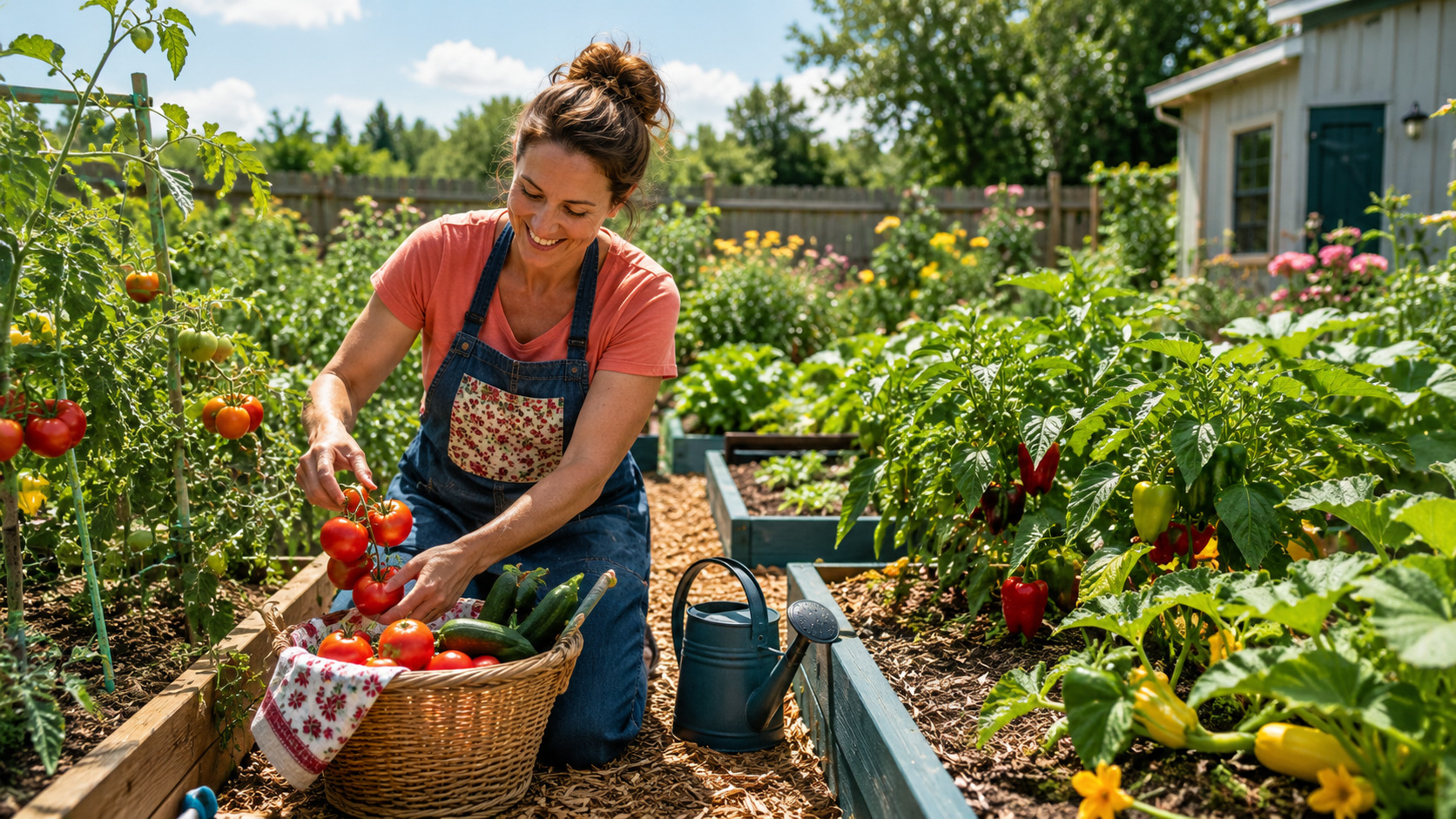
Does your garden wilt by mid‑July no matter what you do? Summer brings long days and warm sunshine, but it also means heat stress, thirsty plants, and relentless pests that can turn a thriving garden into a struggling mess. A complete guide to summer garden success gives you the exact strategies to water smarter, mulch effectively, protect plants from extreme heat, and keep your vegetables and flowers producing all season long—without spending hours hovering over beds with a hose.


Whether you’re growing a summer vegetable garden, tending containers on a patio, or managing flowerbeds in a hot climate, summer garden care tips center on three priorities: consistent moisture, temperature management, and proactive pest control. The good news is that with a simple mid summer garden maintenance checklist and a few key tools like soaker hoses, quality mulch, and shade cloth, you can keep your garden healthy even during heat waves. This guide walks you through how to keep garden alive in summer heat, from how to water your garden in summer to choosing the best vegetables for hot summer gardens and implementing organic summer garden pest control methods that actually work.

Why Summer Garden Care Is Different
Summer gardening guide principles differ sharply from spring because plants face opposite stresses: too much heat, too little rain, and intense sun that can scorch leaves and dry out soil in hours. In spring, you focus on planting and establishing roots; in summer, your job shifts to sustaining life under pressure. How to keep your vegetable garden thriving in summer heat means understanding that roots need constant moisture, leaves need protection from sunburn, and soil biology needs insulation from temperature swings.
A summer garden success tips approach starts with observation. Walk your garden early in the morning and note which plants are wilting first, where soil dries fastest, and which areas get afternoon sun. These patterns guide your watering schedule, mulching strategy, and decisions about whether to add temporary shade. For example, a simple garden thermometer can tell you when soil is too hot for new plantings, and a rain gauge shows whether you’re actually getting the inch of water per week most gardens need. These small tools transform guesswork into precision, which is critical when water and time are limited.
For gardeners in hot climates, summer isn’t just a challenge—it’s the main growing season for heat‑loving crops like tomatoes, peppers, squash, and melons. Summer garden success tips for hot climates lean heavily on mulch, drip irrigation, and choosing heat tolerant summer vegetables that naturally handle stress better. Even in cooler zones, July and August heat spikes can damage unprepared gardens, so these techniques apply almost universally across regions.
How to Water Your Garden in Summer
How to water your garden in summer is the single most important skill for keeping plants alive and productive. The goal isn’t just to add water—it’s to deliver it deeply, consistently, and at the right time of day so plants build strong roots and resist drought. Shallow, frequent watering trains roots to stay near the surface, where they’re vulnerable to heat and dry spells. Deep, less frequent watering encourages roots to grow down into cooler, moister soil layers, making plants far more resilient.
The best time to water is early morning, ideally between 5 and 9 a.m., when temperatures are cool, wind is calm, and plants have the whole day to dry off. This timing reduces fungal disease risk and minimizes water loss to evaporation. If morning watering isn’t possible, late afternoon (after 4 p.m.) is second best—just avoid watering right before dark, as wet foliage overnight invites mildew and rot. A programmable garden hose timer makes early watering automatic even if you’re not an early riser, and pairing it with a soaker hose or drip irrigation kit delivers water directly to roots with almost no waste.
For most gardens, aim for about one inch of water per week, including rainfall. You can measure this by placing a rain gauge or empty tuna can in the garden and checking depth after watering. Sandy soils drain fast and may need water twice a week, while clay soils hold moisture longer and may only need once‑weekly deep watering. Container gardens dry out much faster—sometimes daily in peak summer—so a self-watering planter or watering globes can buy you extra days between waterings. Summer container gardening tips always emphasize larger pots (which hold more soil and moisture) and adding water‑retaining crystals or mixing in extra compost to improve moisture retention.
Best Mulch for Summer Vegetable Garden
Best mulch for summer vegetable garden setups is organic material that insulates soil, suppresses weeds, retains moisture, and slowly breaks down to feed soil life. Straw, shredded leaves, grass clippings (pesticide‑free), and wood chips are all excellent choices. A 2–4 inch layer of organic straw mulch around tomatoes, peppers, and squash can lower soil temperature by 10–15°F, reduce water needs by up to 50%, and nearly eliminate weeding—three huge wins in one simple step.
Apply mulch after soil has warmed in late spring or early summer, and keep it a few inches away from plant stems to prevent rot and pest hiding spots. For vegetable beds, straw and grass clippings are ideal because they’re light, easy to spread, and break down relatively quickly to enrich soil. For perennial beds and around shrubs, shredded hardwood mulch or pine bark mulch lasts longer and looks neater. Avoid rocks or gravel in vegetable gardens—they trap and radiate heat, exactly the opposite of what you want in summer.
Mulch also plays a key role in organic summer garden pest control by creating habitat for beneficial insects like ground beetles that eat pest larvae, and by preventing soil‑borne disease spores from splashing onto leaves during rain or irrigation. If you’re managing a summer herb garden, mulch helps regulate moisture around shallow‑rooted herbs like basil and cilantro, which are especially prone to wilting in afternoon heat. A simple garden mulch spreader makes application faster and more even, and replenishing mulch mid‑summer (as it breaks down or gets displaced) keeps protection consistent all season.
How to Protect Plants from Summer Heat
How to protect plants from summer heat involves three strategies: shade, moisture, and timing. When temperatures climb above 90°F, many plants slow down or stop flowering and fruiting to conserve energy. Some, like lettuce and spinach, bolt (go to seed) and become bitter. Others, like tomatoes, drop blossoms if nighttime temperatures stay above 75°F. You can’t control the weather, but you can moderate the microclimate around your plants.
Temporary shade is one of the most effective heat protections. Drape shade cloth (30–50% density) over hoops or stakes to filter midday and afternoon sun, especially over greens, herbs, and sensitive transplants. Even an old bedsheet or beach umbrella works in a pinch. For containers, move pots to spots that get morning sun and afternoon shade, or group them together so larger plants shade smaller ones. A garden shade structure or simple DIY frame with shade netting can extend the productive life of cool‑season crops well into summer.
Consistent moisture is the second defense. Heat‑stressed plants that dry out even once may never fully recover, especially in fruiting stages. How to water and mulch your garden for summer success means checking soil moisture daily during heat waves—stick your finger 2 inches into soil, and if it’s dry, water deeply. A soil moisture meter takes the guesswork out and is especially useful for beginners. For ultra‑sensitive plants like young transplants or heat‑stressed herbs, a light misting in the afternoon (just on leaves, not during full sun) can provide temporary cooling, though it’s not a substitute for deep root watering.
Finally, timing matters: avoid transplanting, fertilizing, or pruning during heat waves. These activities stress plants, and stressed plants are more vulnerable to heat damage, pests, and disease. Instead, wait for cooler weather or focus on mid summer garden maintenance checklist tasks that support rather than disrupt plants—like adding mulch, hand‑weeding gently, and checking for pests.
What to Plant in Summer Vegetable Garden
You might think summer is too late to plant, but many vegetables thrive when started mid‑summer for fall harvest. What to plant in summer vegetable garden beds depends on your first frost date and how many growing days remain, but common options include bush beans, summer squash, cucumbers, and fast‑maturing greens. This practice, called succession planting for summer garden, keeps beds productive instead of empty after spring crops finish.
Best vegetables for hot summer gardens include heat‑lovers that don’t mind high temperatures: tomatoes, peppers, eggplant, okra, melons, and southern peas all peak in summer heat. If you’re in a cooler zone, focus on these for your main summer crops. For hot climates, add heat tolerant summer vegetables like Armenian cucumber, yardlong beans, and Malabar spinach, which handle extreme heat better than traditional varieties. Many seed companies now label varieties as “heat‑tolerant” or “slow‑bolt” specifically for summer planting, which takes the guesswork out of variety selection.
For late‑summer planting (July–August), choose quick crops: radishes, lettuce, spinach, kale, and turnips can all mature before fall frost if you count back from your frost date and choose varieties with 40–60 day maturity. Start these in flats indoors or in a shaded outdoor spot, then transplant into beds that just finished producing spring crops. A packet of lettuce seeds labeled “heat‑resistant” and a bag of seed starting mix are all you need. This approach keeps your garden productive and reduces the late‑summer slump when early plantings have finished but fall crops haven’t started.
How to grow tomatoes in summer heat deserves special mention because tomatoes are the most popular summer crop but also surprisingly heat‑sensitive above 95°F. Mulch heavily, water consistently, and consider afternoon shade cloth during extreme heat. Choose heat‑set varieties like ‘Phoenix’, ‘Heatwave’, or ‘Surefire’ if you garden in hot climates. A tomato cage keeps plants upright and improves airflow, and a tomato fertilizer applied every 2–3 weeks supports heavy fruit production without burning plants.

Mid Summer Garden Maintenance Checklist
A mid summer garden maintenance checklist keeps you focused on high‑impact tasks instead of feeling overwhelmed by everything at once. Use this list as a weekly guide from late June through August:
Watering and Moisture Management:
- Check soil moisture daily during heat waves, every 2–3 days otherwise
- Water deeply in early morning, aiming for 1 inch per week total
- Adjust drip irrigation or soaker hoses as plants grow
- Move containers to shadier spots during extreme heat
- Top up mulch layer if it’s thinned to less than 2 inches
Mulching and Soil Care:
- Add 2–4 inches of organic mulch around all plants
- Pull mulch back slightly from plant stems to prevent rot
- Refresh mulch mid‑summer as it decomposes or shifts
- Add compost or worm castings around heavy feeders (tomatoes, squash)
- Check soil moisture under mulch, not just on surface
Pest and Disease Monitoring:
- Inspect plants weekly for aphids, caterpillars, beetles, and mites
- Remove damaged or diseased leaves immediately
- Hand‑pick large pests like tomato hornworms and squash bugs
- Spray organic pest control (neem oil, insecticidal soap) in early morning or evening
- Check undersides of leaves where pests often hide
Pruning, Deadheading, and Training:
- Deadhead spent flowers on annuals and perennials to encourage more blooms
- Prune suckers on indeterminate tomatoes for better airflow
- Tie or stake plants that are flopping or breaking under fruit weight
- Remove yellowing or diseased lower leaves from tomatoes and squash
- Trim herbs regularly to prevent flowering and keep leaves tender
Fertilizing and Feeding:
- Feed heavy feeders (tomatoes, peppers, squash) every 2–3 weeks with balanced fertilizer
- Use liquid fertilizer for containers, which leach nutrients faster
- Side‑dress with compost around perennials and established plants
- Avoid high‑nitrogen fertilizers during extreme heat (they can burn plants)
- Water before and after fertilizing to prevent root burn
Harvesting and Succession Planting:
- Harvest vegetables frequently to encourage continued production
- Pick tomatoes, peppers, beans, and squash every 2–3 days at peak ripeness
- Remove overripe or damaged fruit to reduce pest attraction
- Plant quick‑maturing crops (beans, lettuce, radishes) in empty spots
- Start fall transplants indoors (broccoli, cabbage, kale) in late July
Heat and Weather Protection:
- Set up shade cloth over sensitive crops during heat waves
- Group containers for mutual shading and moisture retention
- Move tender herbs and greens to shadier locations in afternoon
- Monitor weather forecasts and water extra before heat spikes
- Protect newly planted seedlings with row covers or cloches
This checklist becomes easier when you have the right tools on hand: a good garden hose with adjustable nozzle, a harvest basket, a pruning shears, and a simple garden kneeler make every task faster and more comfortable. Spending 15–20 minutes on this checklist a few times a week prevents small problems from becoming garden disasters.
Organic Summer Garden Pest Control
Organic summer garden pest control focuses on prevention, monitoring, and gentle intervention rather than harsh chemicals that harm beneficial insects and soil life. Summer pests like aphids, spider mites, squash bugs, tomato hornworms, and Japanese beetles thrive in heat, so weekly inspection is your first line of defense. Check the undersides of leaves, inspect new growth, and look for chewed leaves, sticky residue, or tiny moving dots.
Hand‑picking works surprisingly well for large pests. Tomato hornworms, squash bugs, and Japanese beetles are easy to spot and remove by hand (wear gloves if squeamish). Drop them into a bucket of soapy water. For smaller pests like aphids and mites, a strong spray of water from the hose dislodges them, and most won’t return if you repeat every few days. A hose spray nozzle with adjustable pressure makes this task easier and more effective.
For persistent infestations, use organic sprays like neem oil, insecticidal soap, or homemade garlic‑pepper spray. Apply in early morning or evening to avoid burning leaves in hot sun, and reapply after rain. These products work on contact, so thorough coverage (especially leaf undersides) is essential. A garden sprayer makes application quick and even. Avoid spraying during the heat of the day or when beneficial insects like bees are active.
Encourage natural predators by planting flowers that attract ladybugs, lacewings, and parasitic wasps—these beneficial insects eat aphids, caterpillars, and other pests. Simple additions like marigold seeds, alyssum, and yarrow create habitat and nectar sources. Mulch also supports ground beetles and spiders that hunt pests at night. This ecosystem approach, combined with healthy soil and strong plants, makes your garden naturally more pest‑resistant without needing constant intervention.
Summer Flower Garden Care
Summer flower garden care keeps annuals and perennials blooming from June through September with three main tasks: watering, deadheading, and mulching. Flowers need consistent moisture just like vegetables, but many are more drought‑tolerant once established. Water deeply 1–2 times per week rather than lightly every day, and use a soaker hose or drip irrigation to deliver water at soil level instead of wetting foliage (which invites disease).
Deadheading—removing spent flowers—is the single best way to extend bloom time. Many annuals like petunias, zinnias, and marigolds will stop flowering if allowed to go to seed, but removing faded blooms signals the plant to produce more. Use garden snips or just pinch off spent flowers with your fingers. For perennials like coneflowers, black‑eyed Susans, and daylilies, deadheading keeps plants tidy and often encourages a second flush of blooms later in summer.
Mulch around flowers just like vegetables—2–3 inches of shredded bark mulch or pine straw keeps roots cool, conserves moisture, and reduces weeds. For container flowers, consider a slow-release flower fertilizer applied every 4–6 weeks to keep blooms vibrant without constant feeding. If flowers start looking stressed in extreme heat, temporary shade cloth or moving containers to part‑shade spots can save them until cooler weather returns.
Common Summer Garden Mistakes to Avoid
One of the biggest summer garden mistakes is inconsistent watering—alternating between drought and flood stresses plants, causes fruit to crack (tomatoes) or split (peppers), and increases susceptibility to pests. If you’re busy or forgetful, invest in a programmable hose timer and drip irrigation system so watering happens automatically and consistently.
Another common error is over‑fertilizing during heat waves. Fertilizer salts can burn roots when soil is hot and dry, and excess nitrogen encourages leafy growth at the expense of flowers and fruit. Stick to moderate, regular feeding schedules, and always water before and after applying fertilizer. A balanced organic vegetable fertilizer used at half strength every 2–3 weeks is safer and more effective than heavy applications.
Finally, neglecting to harvest regularly is surprisingly damaging. Overripe vegetables signal the plant to stop producing new ones, and rotting fruit attracts pests and disease. Check your garden every 2–3 days during peak season and harvest everything that’s ready. A garden harvest apron makes quick collection easy, and you’ll be amazed how much more productive your plants become when you keep them picked.
Summer gardening doesn’t have to be a battle against heat, drought, and pests. With consistent watering, smart mulching, proactive pest monitoring, and a simple maintenance routine, your garden can thrive all summer long. Start with just one or two improvements—maybe adding soaker hoses this week and mulching next—and build from there. Your late‑summer harvest will show the difference.

FAQs About Complete Guide to Summer Garden Success
How often should I water my vegetable garden in summer?
Most vegetable gardens need about 1 inch of water per week, including rainfall, delivered in 1–2 deep watering sessions rather than daily light sprinkles. How to water your garden in summer depends on soil type: sandy soils drain quickly and may need watering twice a week, while clay soils hold moisture longer and might only need once‑weekly deep watering. The best approach is to check soil moisture 2–3 inches down—if it’s dry, water deeply until the top 6–8 inches are moist. A soil moisture meter takes guesswork out of this, and a soaker hose or drip irrigation kit makes consistent watering automatic. Early morning (5–9 a.m.) is the best time to water because it minimizes evaporation and allows foliage to dry before evening, reducing disease risk.
What’s the best mulch for summer vegetable gardens?
The best mulch for summer vegetable garden beds is organic material like straw, shredded leaves, grass clippings (pesticide‑free), or wood chips applied 2–4 inches thick. Organic straw mulch is particularly good because it’s light, easy to spread, insulates soil from heat, retains moisture, and breaks down to feed soil over time. Keep mulch a few inches away from plant stems to prevent rot and pest hiding spots. For perennial beds or pathways, shredded hardwood mulch or pine bark mulch lasts longer and looks tidier. Mulching not only conserves water (reducing watering needs by up to 50%) but also suppresses weeds, moderates soil temperature swings, and supports beneficial soil organisms that improve plant health.
How do I protect my garden during a heat wave?
How to protect plants from summer heat during extreme temperatures involves shade, moisture, and avoiding plant stress. Temporary shade is the most effective protection: drape shade cloth (30–50% density) over hoops, stakes, or a garden shade structure to filter midday and afternoon sun, especially over greens, herbs, and sensitive transplants. Water deeply the evening before a predicted heat wave so plants enter stress with full moisture reserves, and check soil daily during the event—heat‑stressed plants that dry out even once may drop flowers, stop fruiting, or die. Move containers to shadier spots, group pots together for mutual shading, and avoid fertilizing, transplanting, or pruning during heat waves as these activities add stress. A soil moisture meter and garden thermometer help you monitor conditions and respond before damage occurs.
Can I still plant vegetables in July or August?
Yes! What to plant in summer vegetable garden beds in mid‑to‑late summer depends on your first frost date and growing days remaining. Succession planting for summer garden keeps beds productive: fast‑maturing crops like bush beans, summer squash, cucumbers, radishes, lettuce, and spinach can all be planted in July for fall harvest if you have 60–90 days before frost. Choose varieties labeled “quick‑maturing” or “heat‑resistant,” start seeds indoors or in a shaded spot, then transplant into beds that just finished spring crops. Late‑summer planting (late July–August) works well for cool‑season crops like kale, broccoli, cabbage, and turnips, which actually prefer maturing in cooler fall weather. A packet of lettuce seeds, some seed starting mix, and a simple succession planting calendar turn empty beds into productive fall harvests.
What are the best organic pest control methods for summer gardens?
Organic summer garden pest control starts with prevention and monitoring: inspect plants weekly, hand‑pick large pests like hornworms and squash bugs, and use a strong spray of water to dislodge aphids and mites. For persistent infestations, neem oil spray, insecticidal soap, or homemade garlic‑pepper spray work well when applied in early morning or evening (to avoid leaf burn) and reapplied after rain. A garden pump sprayer makes application thorough and efficient. Encourage beneficial insects by planting flowers like marigolds, alyssum, and yarrow that attract ladybugs, lacewings, and parasitic wasps—these natural predators eat aphids, caterpillars, and other pests. Mulch supports ground beetles and spiders that hunt at night, and healthy soil grows strong plants that resist pest damage naturally. This ecosystem approach reduces the need for constant spraying and creates long‑term garden resilience.
Your summer garden can thrive even in heat and drought when you focus on consistent watering, smart mulching, and proactive care. Start small—add a soaker hose this week, mulch your beds next week—and watch your garden respond. Save this post for your mid‑summer check‑ins, and follow @theclutteredblog on Pinterest for more seasonal garden guides that make growing easier and more successful.