








You want to be “a crafty person,” but every time you look at Pinterest you end up overwhelmed, covered in glitter, and somehow spending more than if you just bought the thing. Same. That’s exactly why this guide focuses on DIY crafts for beginners easy enough for real life: low‑stress, low‑cost, and totally okay if you’re “not creative.” We’ll walk through simple DIY crafts adults can do after work, quick DIY crafts for weekends, cozy DIY crafts to sell at markets, and even zero waste projects using recycled materials you already have at home. You’ll get ideas for diy no sew projects, diy paper crafts, diy cardboard crafts, mason jar and tin can upcycles, plus tips to set up a tiny diy craft room and storage so it actually feels fun, not chaotic. Save this guide for later, and come hang out on Pinterest for more calm crafty ideas — make sure to follow @theclutteredblog for cozy DIY inspiration.


A Quick Peek at This DIY Crafts Guide
- Perfect if you’re a total beginner, busy mom, student, or anyone craving relaxing, simple diy crafts adults can actually finish in one sitting.
- Focus on quick diy crafts that use diy craft supplies you already have, plus diy recycled materials like jars, cardboard, and old t‑shirts.
- Includes ideas for diy crafts to sell at markets or online, from mason jar organizers to tin can decor.
- You’ll find cozy diy crafts items home decor, zero waste projects, and diy crafts with kids, toddlers, preschoolers, teen girls, men, and seniors.
- Comes with a simple diy crafting schedule, diy craft room and diy craft storage tips, and a printable‑style checklist you can turn into a planner.
What “DIY Crafts for Beginners Easy” Really Means (and Why It Helps)
When I say DIY crafts for beginners easy, I mean projects that can be done in under an hour, with simple steps, minimal tools, and forgiving materials like paper, cardboard, jars, and fabric scraps. These simple diy crafts adults and kids can enjoy are about giving your brain a soft place to land after a long day, not about creating Pinterest‑perfect masterpieces. Making quick diy crafts with diy recycled materials and diy zero waste crafts turns trash into tiny wins — think toilet paper roll organizers, cardboard collages, or tin can wind chimes. Crafting like this helps with stress relief and can even feel like a gentle diy crafts therapy session, especially when you keep things small, cozy, and low‑pressure.
DIY crafts for beginners easy projects can:
- Lower your mental load by giving you something simple and tactile to focus on.
- Help you decorate your home with diy crafts items home decor made from things you already own.
- Support a more sustainable lifestyle through diy recycled materials and diy zero waste crafts.
- Become a social ritual like a weekly diy craft night with friends or family.
- Turn into diy crafts to sell if you want to test a small side hustle.
Key Elements of a Solid DIY Crafting Life
1. Simple, Forgiving Projects
Begin with simple diy crafts adults and kids can both do, like paper flowers, painted jars, or cardboard organizers. These diy paper crafts and diy cardboard crafts are cheap, easy to fix if you “mess up,” and don’t require fancy skills. For example, you might cut colored paper into hearts and string them into a garland, or turn a cardboard box into a cozy storage bin with paint and scrap fabric.
2. Use What You Already Have
A realistic DIY routine leans heavily on diy craft supplies you already own and diy recycled materials like cereal boxes, jars, wine bottles, and tin cans. You can make diy mason jar crafts for desk organizers, diy wine bottle crafts as vases or lamp bases, and diy tin can crafts as planters or wind chimes. This keeps your diy crafts budget low and makes it easier to start instead of waiting for a big craft store haul.
3. Easy No‑Sew and Low‑Tool Options
Not into sewing or power tools? Lean on diy no sew projects and basic tools like scissors, glue, and tape. You can create diy old tshirt crafts like braided coasters or no‑sew totes, or use diy fabric scraps to wrap jars, cover cardboard, or make scrap banners. These projects fit perfectly into a diy craft night or lazy Sunday afternoon.
4. Flexible Time Blocks
A sustainable diy crafting schedule is built around your real life: maybe 20 minutes on weeknights and a slightly longer session on weekends. Keep a tiny list of quick diy crafts (10–20 minute ideas) and slightly bigger projects so you can pick what fits your energy. This way, crafting becomes a cozy habit, not one more thing on your to‑do list.
5. Calm, Cozy Craft Space
Even if all you have is a corner of your dining table, a simple diy craft room setup — a tray for supplies, a small lamp, and a box for in‑progress projects — makes a huge difference. Use diy craft storage like decorated mason jars, labeled tins, or small cardboard caddies to keep things tidy so crafting feels like stress relief, not clutter.
Step‑by‑Step Guide to Creating Your Easy DIY Craft Routine
Step 1: Gather Everyday Materials
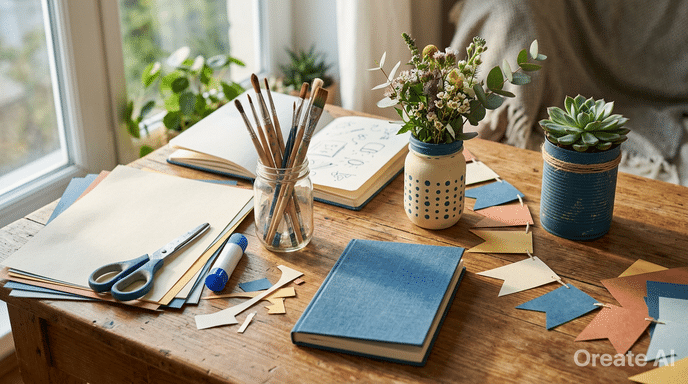
The first step is to shop your home before you ever hit a craft store. Look for diy recycled materials like cardboard boxes, toilet paper rolls, egg cartons, glass jars, wine bottles, and tin cans. Toss in diy craft supplies you already own: paper, markers, paint samples, glue, string, and any diy fabric scraps or old t‑shirts. Put everything into one basket so starting a diy crafts for beginners easy project doesn’t require a scavenger hunt.
Tips: keep scissors and glue in a small pouch, label a box “DIY Zero Waste Crafts,” and add interesting packaging instead of throwing it out.
Step 2: Choose Your Craft “Theme” for the Week
Next, pick a simple theme to focus on for the week so you don’t get overwhelmed by options. You might decide this week is all about diy paper crafts, next week is diy mason jar crafts, and another week is for diy cardboard crafts or diy tin can crafts. This helps your diy crafting schedule feel intentional instead of random and makes it easier to actually finish projects.
You can: keep a tiny list of 3–5 quick diy crafts under your chosen theme, pick one easy project for weekdays and one slightly bigger one for the weekend, or turn it into a recurring diy craft night theme with friends.
Step 3: Set Tiny Time Blocks
Give yourself a realistic time container, especially on busy days or low‑energy evenings. For example, choose a 20‑minute window for simple diy crafts adults can do after dinner, or a 10‑minute block for diy crafts with kids before bedtime. The goal is to make progress, not perfection — one painted jar or a few cut shapes totally counts.
You can even write “DIY time” into a planner as part of your diy crafts therapy and stress relief routine, especially if you struggle to unplug from screens.
Step 4: Start with One Project and Embrace “Good Enough”
Choose one diy crafts for beginners easy project and give yourself permission to do a “first draft” version. Maybe you try diy old tshirt crafts by turning a shirt into a no‑sew tote, or diy wine bottle crafts by painting a bottle and adding fairy lights. You can always make a second, “nicer” version later, but you only build confidence by actually finishing something.
Avoid these common mistakes: starting three projects at once, buying a ton of new supplies before trying what you have, or comparing your work to professional photos.
Step 5: Display, Gift, or Sell Your Creations
The final step is to let your projects live somewhere — not just in a drawer. Use diy crafts items home decor to brighten shelves, gift simple diy crafts adults and kids made together to friends, or test a few diy crafts to sell at local markets or online. Mason jar organizers, painted wine bottles, and pretty tin can planters often make great starter products because they’re useful and inexpensive.
You might also set up a tiny “gallery” in your diy craft room or nook, which makes it easier to see how far you’ve come and keeps you motivated.
Practical DIY Craft Ideas and Variations You Can Try
Here are plenty of diy crafts for beginners easy enough for a cozy evening, rainy weekend, or family diy craft night.
- Paper heart garlands using diy paint samples or colored paper for quick diy crafts decor.
- Simple diy crafts adults can do: paint sample bookmarks with doodles and quotes.
- DIY paper crafts like paper flowers, paper rainbows, or paper plate “doughnuts” with painted sprinkles.
- DIY cardboard crafts: cereal box storage bins wrapped in fabric scraps, or cardboard flower collages.
- DIY mason jar crafts: desk organizers, bathroom storage, or tealight lanterns with tissue paper and mod podge.
- DIY wine bottle crafts: painted vases, candle holders, or fairy‑light bottles for cozy corners.
- DIY tin can crafts: pencil holders, kitchen utensil holders, or tin can wind chimes.
- DIY old tshirt crafts: braided coasters, no‑sew totes, or wrapped vases using strips of fabric.
- DIY fabric scraps projects: mini bunting banners, patchwork bookmarks, or fabric‑wrapped jars.
- DIY crafts with kids: paper plate animals, popsicle stick kitties, or simple toilet paper roll characters.
- DIY crafts toddlers can help with: finger‑painted cardboard shapes or collage with safe glue sticks.
- DIY crafts preschoolers love: paper crowns, simple masks, or rainbow collages from recycled scraps.
- DIY crafts teen girls often enjoy: room decor like photo garlands, painted jars, or jewelry dishes from clay or cardboard bases.
- DIY crafts men might like: upcycled wood projects, painted game pieces, or customizing mugs and tumblers.
- DIY crafts seniors: gentle, repetitive projects like pressed flower cards, paper flowers, or simple beading.
- DIY zero waste crafts: cardboard collages, egg carton flowers, or tin can planters for herbs.
- DIY crafts therapy: make a “feelings collage” from magazines or create a calm jar with glitter and water.
- DIY craft night ideas: pick one theme (like mason jars) and have everyone make their own version to take home.
- DIY crafts to sell: curated sets of painted jars, tin can planters, or handmade paper gift tags.

As you try these, notice how life feels before vs after adding diy crafts for beginners easy projects into your week. Before, evenings might feel like endless scrolling, cluttered brain, and guilt for “not doing anything fun.” After, you might have a tiny diy craft room corner, a few cozy diy crafts items home decor pieces that make you smile, and a gentle diy crafts stress relief ritual.
How to Make Your DIY Habit Stick (Habits, Boundaries, Mindset)
Crafting becomes truly soothing when it shifts from “random project” to a gentle habit. Treat your diy crafting schedule like a cozy date with yourself, not a chore. Set simple boundaries: one small tray of diy craft supplies instead of your entire living room, a 20‑minute timer, and a rule that you stop before you’re exhausted.
Try using affirmations that match the vibe of diy crafts therapy and diy crafts stress relief, like:
- “My crafts don’t have to be perfect to be meaningful.”
- “Ten minutes of creating is enough.”
Remember: you’re allowed to have seasons where your diy craft room is basically a drawer and a shoebox of supplies. You can pause for a week and come back without “starting over.” Crafting is there to support you — your mental health, creativity, and cozy home — not to judge you.
Save‑Friendly Visuals and How to Use Them
Think of the visuals in this guide as your personal mini toolkit on Pinterest. The quick overview checklist pin is perfect to save if you’re just starting with DIY crafts for beginners easy and want a snapshot of what matters. The step‑by‑step routine pin works like a tiny planner — save it to your “Self Care” or “Routine” board to remind you to schedule craft time.
The ideas list pin is great for days when you feel bored but don’t know what to make, while the planner/tracker preview gives you a sense of how to turn your diy crafting schedule into a gentle routine. Save the pins that match what you want to focus on this week — maybe zero waste crafts, home decor, or diy crafts with kids. And of course, follow @theclutteredblog so you can find them again easily when you’re ready to make something.
Next Steps
This week, pick just one tiny thing: maybe a diy paper crafts project like a garland, or a diy mason jar crafts organizer for your desk. Keep it flexible — if you miss a day, just pick up where you left off, no guilt. Over time, these little projects build a cozy, creative life without the pressure of perfection.
Save this post so you can revisit the ideas, and follow @theclutteredblog on Pinterest for more calm, practical, and beginner‑friendly diy crafts for beginners easy ideas.
Grab Your Free DIY Craft Starter Planner
To make this even easier, imagine having a simple printable that helps you plan and track your DIY time. The DIY Craft Starter Planner is designed for beginners, busy adults, and anyone who wants diy crafts stress relief without the chaos. It pairs perfectly with simple diy crafts adults, family‑friendly diy crafts with kids, and zero waste projects.
Inside, you’ll find:
- A weekly diy crafting schedule page with space for tiny time blocks.
- Project idea lists for diy paper crafts, diy cardboard crafts, and recycled projects.
- A “Use What You Have” inventory page for diy craft supplies and diy recycled materials.
- A “Finished Projects” tracker to celebrate your wins.
- A mini checklist for diy craft room and diy craft storage setup.
Download it, print it, and tuck it into your planner or hang it by your craft corner. Save the matching pin so you remember to use it next weekend — and don’t forget to follow @theclutteredblog for more cozy DIY tools.
FAQs About DIY Crafts for Beginners Easy
How do I start DIY crafts if I have zero skills?
Start with diy crafts for beginners easy projects made from paper, cardboard, jars, or old t‑shirts — these materials are cheap and forgiving. Follow step‑by‑step tutorials with photos or videos and keep your first goal simply to finish, not to make it “perfect.” Over time, your hands learn what to do, and you can slowly try more detailed diy crafts items home decor or diy crafts to sell.
What are the cheapest DIY crafts to try first?
The cheapest options are usually diy recycled materials projects and diy zero waste crafts using what you already have at home: cardboard, jars, wine bottles, tin cans, and fabric scraps. DIY paper crafts like garlands, flowers, and simple cards also stretch your diy crafts budget because paper and paint samples are inexpensive or free.
How can I fit crafting into a busy schedule?
Use a tiny diy crafting schedule: 10–20 minutes on weeknights and a longer session when you can, like during a diy craft night or weekend afternoon. Keep a basket of diy craft supplies ready and a list of quick diy crafts so you don’t waste time deciding what to make.
What are good DIY crafts to sell as a beginner?
Look for useful, repeatable items like painted mason jars, tin can planters, simple jewelry dishes, or paper gift tags. These diy crafts to sell don’t require advanced skills, and you can make them in small batches from diy recycled materials and basic supplies.
How can I make crafting feel like self‑care, not another task?
Treat your diy crafts therapy time like a soft ritual: cozy lighting, music or a podcast, and one simple project at a time. Use mantras like “Ten minutes is enough” and focus on how the process feels in your body — the textures, colors, and movement — rather than the final result.
You don’t have to be “artistic” or have a giant craft room to enjoy diy crafts for beginners easy projects. Start with one tiny idea, give yourself permission to be a beginner, and let your craft corner grow slowly. Save this guide so you can come back when you’re ready for your next cozy project, and follow @theclutteredblog on Pinterest for more calm, practical DIY inspiration.