












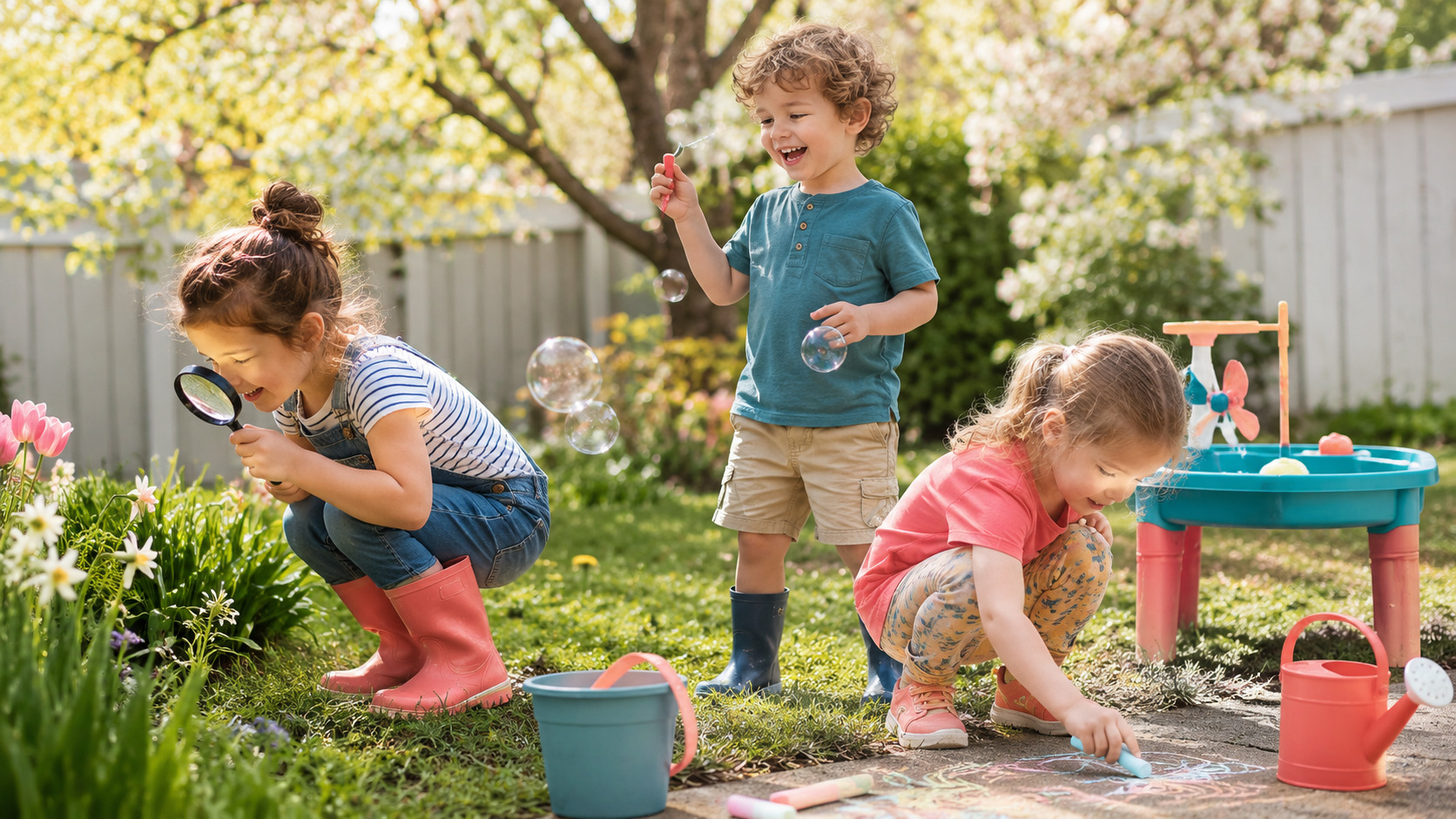
Do you ever feel like your preschooler has endless energy but you’re running out of ideas to burn it off outside? Spring outdoor activities for preschoolers give kids exactly what they need: fresh air, movement, and joyful, screen‑free play—while keeping prep simple and budget‑friendly for you. Whether you’re a parent at home, a caregiver in a small backyard, or a teacher planning a spring outdoor activity for preschool classroom, these ideas require little planning and huge payoff in smiles and calm.


Emerging research shows that outdoor spring activities for preschoolers support motor skills, language, and emotional regulation far more than we might guess from “just running around.” Simple spring activities for preschoolers outside like a nature scavenger hunt for preschoolers, an outdoor obstacle course for preschoolers, or a sprinkler‑and‑bubbles play session are all classic examples of low prep spring activities for preschoolers outside that feel magical to kids. When you add a bit of spring sensory activities outdoors or spring outdoor gross motor activities for preschoolers, you also build coordination, balance, and body awareness while everyone thinks they’re just having fun.

Why Spring Is Perfect for Preschoolers Outside
Spring is like a built‑in invitation: the air is fresh, plants are waking up, and even the light feels softer. This makes it ideal for educational spring outdoor activities for preschoolers that blend play with learning. For example, a short preschool nature walk ideas session can teach kids to notice changes in trees, flowers, and insects, while also challenging their balance on uneven ground. A spring outdoor activities for preschoolers at home setup in the yard or driveway stretches your space without needing a big park.
Many parents and teachers worry that outdoor play takes too much prep or equipment, but spring outdoor activities for preschoolers in the backyard can be as simple as handing kids a magnifying glass and letting them explore grass, petals, and stones. Pair that with a nature scavenger hunt printable and you’ve created a nature scavenger hunt for preschoolers that feels like a real adventure. The shift from indoor toys to real dirt, water, and plants helps preschoolers develop curiosity and observation skills that screen time simply can’t replace.
Easy Spring Nature Activities for Kids
Nature‑based spring activities for preschoolers are some of the most powerful learning moments because everything is real and immediate. Start with a preschool nature walk ideas routine: take a 10–15 minute walk around your yard, block, or park and encourage kids to collect interesting finds like smooth stones, colorful leaves, or interesting twigs. A simple kids nature explorer kit with a small bag, tweezers, and a magnifying lens keeps little hands busy and focused.
You can extend this into a butterfly observation activity for preschoolers by watching for butterflies in gardens or wildflower areas. Bring along a butterfly net for gentle catch‑and‑release observation (always release immediately), or set up a simple butterfly feeder in your yard so kids can watch them visit over time. Another favorite is planting seeds with preschoolers—grab a few seed starter kits or just some bean seeds, small pots, and soil, and let kids water and watch their plants grow over the weeks. This is a classic preschool spring garden activities idea that teaches patience, care, and the basics of plant life cycles.
For sensory‑rich play, try spring sensory activities outdoors like a mud kitchen station using old pots, spoons, and water. Add a sand and water table to your backyard for hours of pouring, mixing, and imaginative play. You can also create a simple sensory bin outdoors using a large plastic tub filled with grass clippings, flowers, and safe outdoor items—kids love the textures and smells of real nature.
Fun Spring Outdoor Gross Motor Activities
Preschoolers need to move—a lot. Spring outdoor gross motor activities for preschoolers help them build strength, balance, and coordination while burning off energy in healthy ways. An outdoor obstacle course for preschoolers is incredibly simple to set up: use pool noodles as hurdles, draw a balance beam line with sidewalk chalk, add a few play cones to weave around, and finish with a jump zone using a small kids trampoline or just marked spots on the ground.
Chalk and bubbles activities for kids are timeless spring classics. Draw hopscotch grids, shape mazes, or letter paths with washable sidewalk chalk, then let kids trace and jump. Add a bubble machine or simple bubble wands for chasing and popping—this combines cardio with hand‑eye coordination in the most joyful way possible.
For bigger movement, set up simple relay races, freeze dance outdoors with a portable kids Bluetooth speaker, or create a “puddle jump” course after rain using kids rain boots. These are all easy spring outdoor activities for preschoolers at home that require almost no prep but deliver big developmental benefits.
Backyard and Small‑Space Spring Activities
Not everyone has access to a big yard or park, but spring outdoor activities for preschoolers in the backyard (or even a small patio or driveway) can still be rich and engaging. A spring picnic activities for kids setup is as simple as laying out a picnic blanket, packing simple snacks in reusable snack containers, and letting kids “help” set up lunch outside. Add a few simple nature items to observe—a flower, a bug jar, a leaf collection—and it becomes a mini outdoor learning moment.
If you have a fence or wall, hang a outdoor water wall toy or DIY one using funnels, tubes, and cups for endless pouring and experimenting. This is a perfect spring sensory activities outdoors idea that works in tiny spaces. You can also set up a simple preschool spring garden activities corner with a few kids gardening tools and let kids dig, plant, and water in a designated patch or large container.
For apartment balconies or patios, try a mini nature scavenger hunt for preschoolers using a printable list focused on colors, shapes, or textures instead of specific plants. Give kids a kids camera or let them use your phone to photograph their finds, turning the hunt into a creative documentation project. Even a small outdoor space becomes an adventure when framed with curiosity and intention.

Practical Spring Outdoor Activities Checklist
Here’s a ready‑to‑use checklist of spring outdoor activities for preschoolers you can rotate through the season. Mix and match based on your time, space, and energy:
Nature Exploration Activities:
- Nature scavenger hunt using a simple printable or picture list
- Nature walk with collection bags for leaves, sticks, and stones
- Butterfly observation with a net or feeder
- Bug watching with a magnifying glass and bug jar
- Cloud watching on a blanket with shape‑guessing games
- Flower pressing using fresh spring blooms and heavy books
Gross Motor and Movement Activities:
- Outdoor obstacle course with cones, noodles, and chalk lines
- Hopscotch and chalk games with sidewalk chalk
- Bubble chasing with bubble machine or wands
- Water play with sprinkler, water table, or hose
- Riding toys like tricycles, scooters, or balance bikes
- Freeze dance outdoors with portable music
Sensory and Creative Play:
- Mud kitchen with old pots, spoons, water, and dirt
- Sand and water table for pouring and mixing
- Planting seeds in pots or garden patch
- Painting with water on fences or pavement
- Outdoor art station with easel, chalk, or nature collages
- Sensory bin filled with grass, flowers, and natural items
Social and Imaginative Play:
- Spring picnic with blanket and simple snacks
- Teddy bear picnic with stuffed animals outdoors
- Sidewalk restaurant pretend play with chalk menus
- Nature treasure hunt with clues and hiding spots
- Outdoor storytime under a tree or on the porch
This list works perfectly as a printable spring outdoor activities checklist you can keep on your phone or print and stick to the fridge. Rotate through 2–3 activities per week and you’ll have a full spring of outdoor fun without repeating or running out of ideas.
Tips for Low‑Prep Spring Outdoor Activities
The best easy spring outdoor activities for preschoolers at home are the ones that don’t require hours of setup. Keep a simple outdoor toy storage bin near your door stocked with basics: sidewalk chalk, bubbles, a ball, a magnifying glass, and a small bucket. This “outdoor play kit” means you can say yes to spontaneous outdoor time without hunting through closets.
For spring outdoor activities for toddlers and preschoolers, shorter is better. Plan for 15–30 minute sessions and let kids lead the way—if they want to spend the whole time digging in one spot or watching ants, that’s perfect. Bring a kids gardening apron or old clothes so you’re not worried about dirt and mess, and keep a portable hand washing station or wipes nearby for easy cleanup.
If you’re managing multiple kids or working from nearby, create “zones” in your outdoor space: a digging zone, a water zone, an art zone. Rotate which zone is “open” each day so cleanup stays manageable. A simple kids sun hat and kids sunscreen are non‑negotiables for longer outdoor sessions—sun safety makes outdoor time sustainable all season long.
Common Mistakes to Avoid with Preschool Outdoor Play
One of the biggest mistakes is over‑planning. Fun spring outdoor learning activities for preschoolers don’t need elaborate lesson plans or Pinterest‑perfect setups. Kids learn just as much from free exploration with simple tools—a stick becomes a wand, a puddle becomes a lake, a pile of leaves becomes a house. If you find yourself spending more time setting up than kids spend playing, simplify.
Another common issue is not dressing kids appropriately for mess. Spring weather can be unpredictable, and mud, water, and grass stains are part of the deal. Keep a set of kids rain gear and waterproof pants handy so you can say yes to puddle jumping and messy play without stressing about laundry. A good pair of kids garden clogs or rain boots makes transitions fast and keeps indoor floors clean.
Finally, many caregivers forget that outdoor play doesn’t have to be constant supervision. Set up safe boundaries, provide engaging materials, and then step back. Preschoolers need time to experiment, problem‑solve, and play independently—even outdoors. Your role is to be nearby and available, not to direct every moment. This balance is what makes nature‑based spring activities for preschoolers truly powerful for development.
Spring outdoor play doesn’t have to be complicated or expensive. With a few simple tools, a willingness to embrace mess, and a focus on child‑led exploration, you can create a season of joyful, screen‑free outdoor time that builds skills and memories. Start with just one activity from the checklist this week, and watch how naturally your preschooler’s curiosity and confidence grow.

FAQs About Spring Outdoor Activities for Preschoolers
How long should outdoor play sessions be for preschoolers?
Most preschoolers do best with 30–60 minute outdoor play sessions, though this can vary based on age, temperament, and weather. For spring outdoor activities for toddlers and preschoolers, starting with shorter 15–20 minute sessions and gradually building up helps kids adjust without getting overwhelmed or overstimulated. If your preschooler is happily engaged in a nature scavenger hunt for preschoolers or outdoor obstacle course, let them continue as long as they’re interested—child‑led play is always the best guide. On cooler or windier spring days, shorter sessions with active movement (like chalk and bubbles activities for kids) keep everyone comfortable and happy.
What if I don’t have a backyard or outdoor space?
You absolutely don’t need a big yard for spring outdoor activities for preschoolers. Many activities work perfectly on apartment balconies, front stoops, driveways, or nearby parks. A small spring picnic activities for kids setup on a porch or balcony, a simple nature scavenger hunt during a walk around the block, or even sidewalk chalk art on the driveway or public sidewalk all count as rich outdoor play. Portable items like a foldable water table, bubble wands, and a small pop-up play tent make it easy to create temporary outdoor play zones wherever you are. Even 10 minutes outside with intentional play beats an hour of aimless indoor time.
How do I keep preschoolers safe during outdoor spring activities?
Safety for spring outdoor activities for preschoolers comes down to supervision, sun protection, and age‑appropriate boundaries. Always apply kids sunscreen SPF 50 and use a wide-brim sun hat for longer sessions, especially between 10 a.m. and 4 p.m. when UV rays are strongest. For spring sensory activities outdoors involving water, sand, or small natural items, stay nearby to prevent choking hazards and ensure kids don’t put unsafe items in their mouths. A small kids first aid kit with bandages, wipes, and insect bite relief is handy for minor scrapes. Set clear boundaries about where kids can explore, and teach them to ask before touching unfamiliar plants, insects, or animals.
What are the best spring outdoor activities for rainy or unpredictable weather?
Spring weather can be moody, but that doesn’t mean outdoor play has to stop. Spring outdoor activities for preschoolers on drizzly days include puddle jumping with kids rain boots and a rain jacket, creating mud pies in a designated mud kitchen area, or watching rain with an umbrella from a covered porch. A nature walk after light rain is magical—everything smells fresh, worms come to the surface, and puddles become mirrors for cloud watching. For windy days, try flying a simple kids kite or doing active movement games that use the wind as part of the fun. Always dress kids in layers and water‑resistant gear so you can adjust quickly as weather shifts.
How can I make outdoor activities educational without it feeling like school?
The beauty of educational spring outdoor activities for preschoolers is that learning happens naturally through play—no worksheets or forced lessons needed. A butterfly observation activity for preschoolers teaches life cycles, patience, and observation without a single flashcard. Planting seeds with preschoolers covers science, responsibility, and cause‑and‑effect just by watering and watching. Even simple preschool nature walk ideas build vocabulary (names of plants, colors, textures), counting (how many petals?), and comparison (which stick is longer?). The key is to follow your child’s curiosity—if they’re fascinated by a beetle, spend time watching it together and asking open‑ended questions. Learning disguised as play is the most powerful kind for this age.
Start with one simple activity this week—maybe a nature scavenger hunt or an outdoor obstacle course—and let your preschooler’s natural curiosity lead the way. Save this post for inspiration throughout the season, and follow @theclutteredblog on Pinterest for more simple, playful outdoor ideas that make spring magical for little ones.