






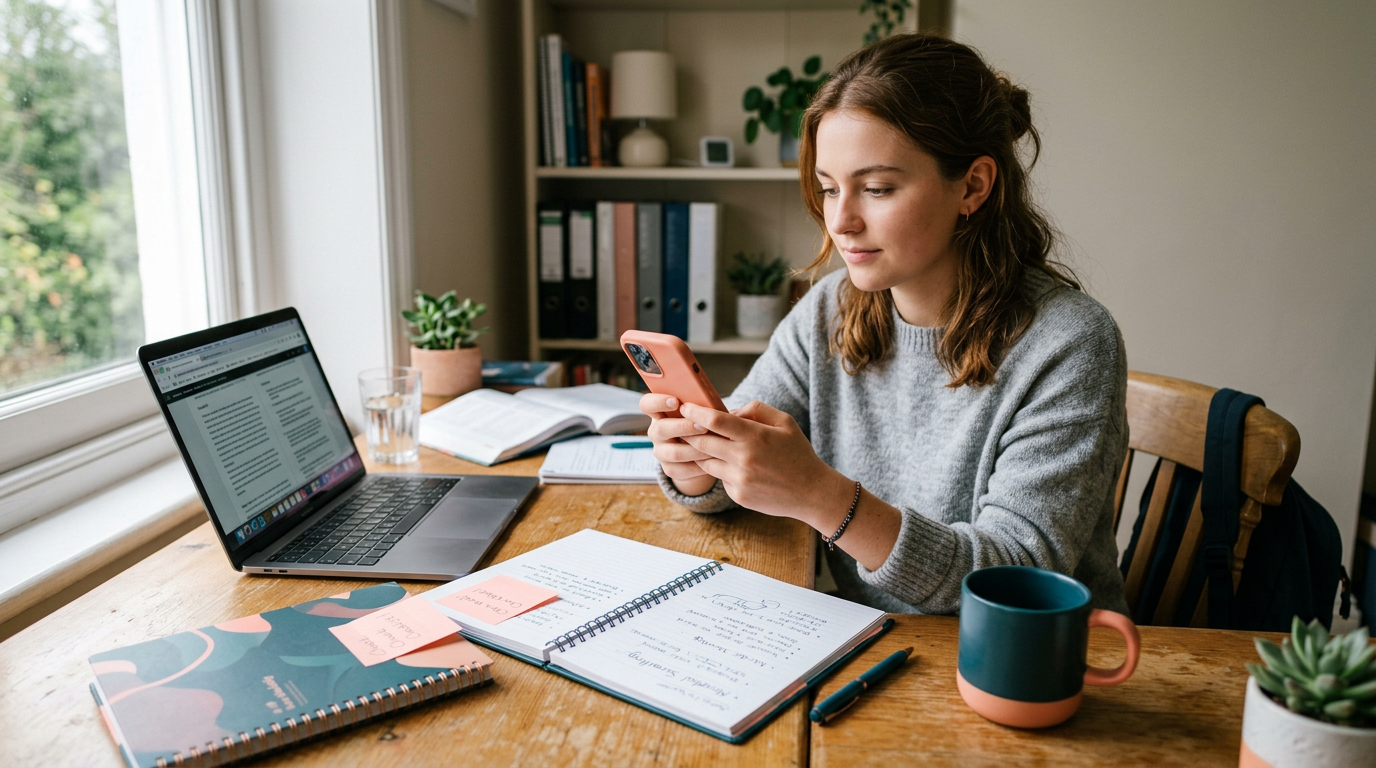
Social media can help students learn, connect, and build confidence, but it can also create stress, privacy risks, and reputation problems. One careless post can spread fast, and many teens do not realize how long digital content can stay online.


That is why a practical student social media safety checklist matters. With the right habits, students can enjoy social platforms while protecting their privacy, staying respectful, and using social media in ways that support school, friendships, and future goals.

Why Students Need Clear Social Media Guidelines
For many students, social media feels like part of everyday life. It is where they talk to friends, share photos, follow trends, and discover new ideas. But it is also a public space where choices can affect school life, mental well-being, and even future opportunities.
Good social media guidelines for students are not about fear. They are about helping students pause, think clearly, and make smart decisions online. A strong digital citizenship checklist for students can turn social media from a risky habit into a useful tool.
Think Before You Post Every Time
One of the best online habits is simple: pause before posting. Ask yourself whether you would be comfortable showing that post to a teacher, parent, coach, or future employer. That small moment of reflection can prevent a lot of regret.
This “think before you post” checklist matters because screenshots are real, and deleted content is not always gone for good. Students should treat every post, comment, story, and direct message as something that could be shared beyond its original audience.
A smart post should not embarrass you later, hurt someone else, or damage your reputation. This is one of the most important social media rules for high school students and college students alike.
Protect Your Privacy and Personal Information
Privacy is one of the biggest parts of online safety. Students should regularly adjust privacy settings and stay aware of who can see their posts, stories, and personal details. Even a friendly account can share too much without meaning to.
Never post sensitive information such as your home address, daily routine, school schedule, passwords, personal documents, or live location. These details can make students vulnerable to scams, stalking, or identity misuse.
It is also wise to review tagged photos and follower lists from time to time. A student social media safety checklist is not complete without basic privacy habits, because safety starts with controlling what others can access.
Use Social Media in Ways That Support Your Goals
Social media is not only for entertainment. It can also support school, hobbies, career interests, and personal growth. Students can follow study accounts, educational creators, scholarship pages, clubs, and communities that match their goals.
Joining study groups and academic communities can make platforms more helpful and less distracting. When students use social media intentionally, they turn scrolling into learning and connection.
This is where digital citizenship becomes practical. Students do not need to quit social media. They just need to shape their feeds in ways that support focus, curiosity, and healthy habits.
Be Respectful Online and Know When to Block or Report
Online kindness matters as much as real-life kindness. Social media for school is an extension of the classroom, which means students should bring the same respect online that they would use at school.
That includes being polite in comments and direct messages, not spreading rumors, not joining in cyberbullying, and not reposting content that humiliates someone else. Even “just joking” can become harmful when many people pile on.
Students should also know that they do not have to tolerate harassment or creepy behavior. Reporting and blocking accounts that make you uncomfortable is a healthy boundary, not an overreaction.
Common Social Media Mistakes Students Should Avoid
Many problems online come from a few repeated mistakes. Students often accept follow requests too quickly, overshare personal details, or post content without thinking about long-term consequences.
They may also tag friends in school photos or videos without permission. That can create discomfort, conflict, or privacy issues, especially when the post reaches a wider audience than expected.
Another common issue is posting content that damages reputation, including images or jokes involving drugs, violence, nudity, or hate speech. What feels temporary in the moment can shape how others see you later.

A Practical Student Social Media Safety Checklist
Use this checklist regularly to build safer and smarter online habits:
- Pause before posting and ask: would I show this to a teacher or employer?
- Check your privacy settings on every social media platform you use.
- Keep passwords private and use strong, unique login details.
- Do not share your address, schedule, school details, or live location.
- Follow accounts that support your study, career, or hobby goals.
- Be kind and respectful in comments, captions, and direct messages.
- Never cyberbully or help spread hurtful posts.
- Report and block accounts that make you feel unsafe or uncomfortable.
- Do not accept friend or follow requests from strangers without checking first.
- Ask permission before tagging friends in school photos or videos.
- Use social media to join study groups or academic communities.
- Review old posts sometimes and remove anything that no longer reflects you well.
Small habits create strong online safety. Students do not need perfect social media behavior overnight. They just need consistent, thoughtful choices that protect their privacy, support their goals, and help them treat others well.
FAQ
FAQs About Social Media Do & Don’t for Students Checklist
How much time should students spend on social media each day?
There is no single perfect number, but students benefit when social media has limits instead of taking over the day. A helpful approach is to decide when social media fits around schoolwork, rest, and real-life responsibilities rather than using it nonstop.
Many students do better with short check-in periods instead of endless scrolling. Even 20 to 30 minutes at a time can feel more manageable and less draining. The goal is not strict perfection but better awareness.
What if I feel too tired to manage my social media carefully?
Low energy is exactly when simple habits help most. You do not need a huge system. Start with just three basics: keep your account private, do not post when upset, and ignore follow requests from strangers until you can review them calmly.
When students are tired, quick emotional posting becomes more tempting. That is why a checklist is useful. It reduces decision fatigue and makes safer choices easier.
How can students stay consistent with good online habits?
Consistency usually comes from routines, not motivation. Students can review privacy settings once a month, pause before posting, and check old content every few weeks. Small repeatable steps are more realistic than trying to “be perfect online.”
It also helps to think of digital citizenship like brushing your teeth. It is not dramatic, but doing it regularly prevents bigger problems later. Steady habits matter more than occasional big cleanups.
What should I do if my social media already feels messy or stressful?
Start small and do one reset at a time. Unfollow a few accounts that make you feel bad, tighten privacy settings, and delete posts that no longer reflect who you are. You do not need to fix everything in one day.
A cleaner, calmer feed can reduce mental load quickly. When your online space feels more intentional, it becomes easier to use social media in a healthier way.
Is social media always bad for students?
No, not at all. Social media can be helpful for learning, creativity, networking, and staying in touch with supportive communities. The key is how it is used.
When students follow healthy social media guidelines, they can protect their privacy, avoid common mistakes, and make their online life more useful. The goal is smart use, not fear.
Small steps count more than dramatic changes. Start with one or two habits from the checklist, save this post for later, and build from there. If this helped, save it and follow @theclutteredblog on Pinterest for more practical tips and printable ideas.