









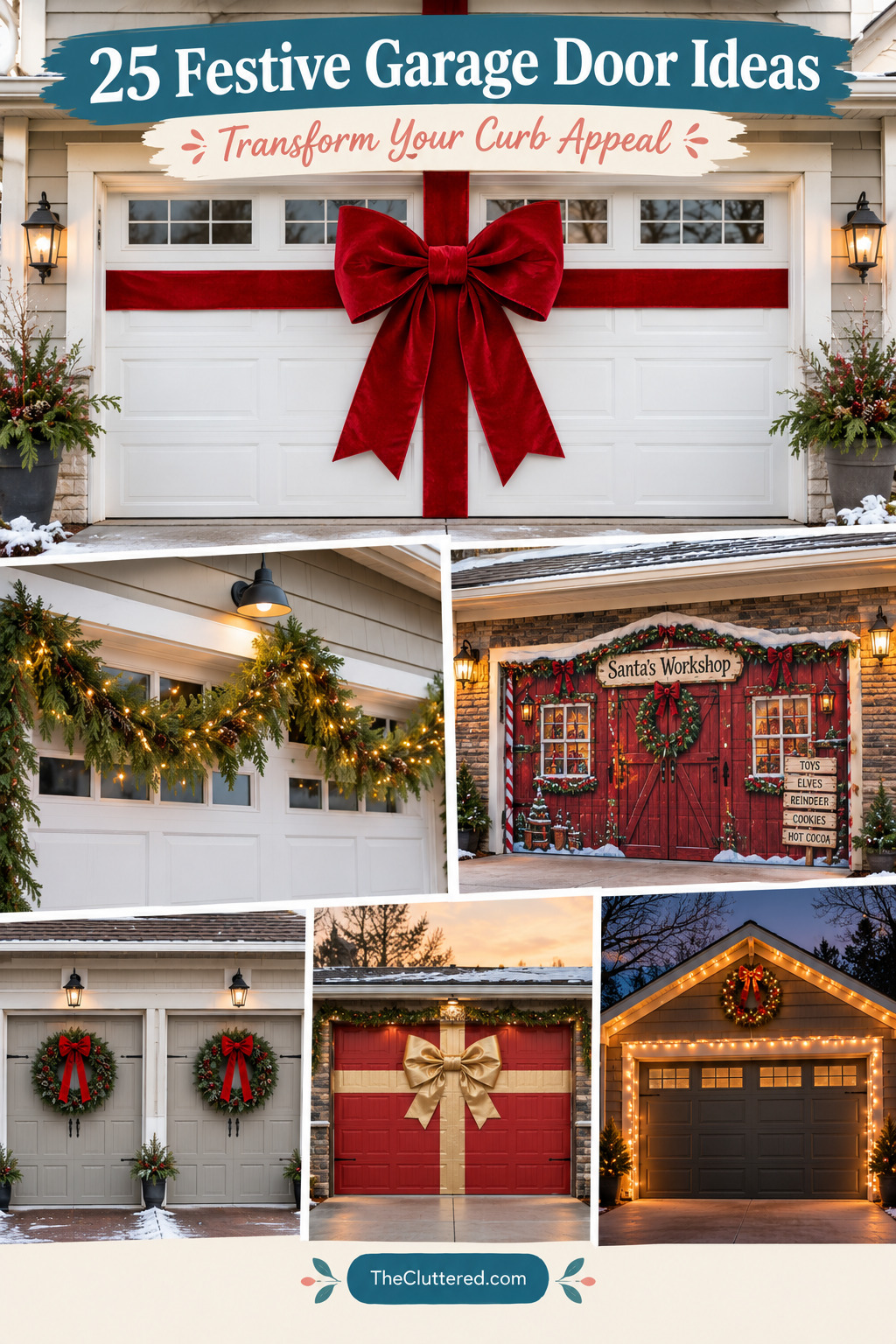


Your garage door might be the largest blank canvas on your home’s exterior—and during the holidays, it’s prime real estate for festive cheer. Whether you’re looking to create a showstopping display or add subtle seasonal touches, decorating your garage door for Christmas is one of the fastest ways to boost your home’s curb appeal and spread holiday spirit throughout your neighborhood.
The best part? You don’t need to be a design expert or spend a fortune to make a big impact. From oversized bows and twinkling lights to complete garage door transformations with festive banners, there’s an approach that fits every style, budget, and skill level. Let’s explore creative ways to turn your garage door into a holiday focal point.
🎄 Quick Start: Choose Your Style
Love bold statements? Go for giant bows, full-coverage banners, or oversized gift wrap designs that turn your entire garage into a present.
Prefer elegant touches? Try lush garland with twinkling lights, classic wreaths, or sophisticated ribbon swags.
On a budget? Simple DIY bows, magnetic ornaments, or strategic lighting can create major impact for under $50.
Short on time? Pre-made garage door covers install in minutes and create instant holiday magic.
Why Garage Door Christmas Decorations Matter
Your garage door often takes up 30% or more of your home’s street-facing facade. Leaving it bare during the holidays means missing a huge opportunity to create visual impact. Well-decorated garage doors:
- Boost curb appeal – Make your home stand out in the neighborhood
- Create instant joy – Bring smiles to neighbors and passersby
- Frame your entrance – Guide guests toward your front door with festive flair
- Extend your decor theme – Create cohesion with your porch and yard displays
- Photograph beautifully – Provide perfect backdrops for holiday cards and family photos
Popular Garage Door Christmas Decoration Categories
1. Giant Bows & Ribbon Swags
Nothing says “holiday” quite like an oversized bow. These statement pieces work on single or double garage doors and can be as simple or elaborate as you like. Red velvet bows create classic Christmas charm, while plaid or gold ribbons add variety. The key is scale—go bigger than you think you need for maximum impact.
2. Full Door Covers & Banners
Garage door covers have exploded in popularity because they’re incredibly easy to install and create dramatic transformations overnight. Options include:
- Santa’s workshop scenes
- Giant gift wrap designs
- Snowy winter landscapes
- Reindeer and sleigh murals
- “Merry Christmas” typography
Most come with grommets and rope for easy hanging, and they’re reusable year after year.
3. Garland & Greenery
Fresh or artificial garland draped across the top or around the perimeter of your garage door adds natural beauty and timeless elegance. Enhance with:
- Battery-operated fairy lights
- Pinecones and berries
- Oversized ornaments
- Spray of white or gold
- Velvet ribbon accents
4. Wreaths
Large wreaths positioned above garage doors or flanking each side create sophisticated symmetry. Consider using multiple smaller wreaths in a row for double garage doors, or one oversized statement wreath centered above.
5. Christmas Lights
Strategic lighting can outline your garage door, create patterns, or illuminate other decorations. Popular approaches include:
- Icicle lights along the top
- Rope lights outlining the frame
- Net lights for even coverage
- Projection lights for pattern effects
6. DIY Magnetic Decorations
For metal garage doors, magnetic ornaments, letters, and shapes offer endless customization with zero damage. Create custom messages, spell out “NOEL,” or arrange festive shapes in patterns that suit your style.
Practical Considerations Before You Decorate
📋 Planning Checklist
- Measure your door – Know exact dimensions before buying covers or planning layouts
- Check door functionality – Ensure decorations won’t interfere with opening/closing
- Consider weather – Choose weather-resistant materials for your climate
- Plan power access – Map out where lights will plug in or use battery options
- Think about removal – Choose hanging methods that won’t damage your door
- Account for vehicles – Make sure decorations clear your car’s height
Budget-Friendly vs. Splurge-Worthy Options
| Budget Option | Approximate Cost | Splurge Alternative | Approximate Cost |
|---|---|---|---|
| DIY bow with ribbon | $15-30 | Pre-made oversized velvet bow | $75-150 |
| Artificial garland | $30-60 | Fresh cedar garland | $80-150 |
| Basic door cover | $40-70 | Custom printed banner | $150-300 |
| String lights | $20-40 | Professional lighting display | $200-500 |
| Magnetic ornaments | $25-50 | Custom lighted display | $300-800 |
Installation Tips for Success
For garage door covers and banners:
- Clean your garage door surface thoroughly
- Lay out the cover on the ground to check orientation
- Use the included rope through grommets or heavy-duty outdoor command hooks
- Attach top corners first, then work your way down
- Smooth out wrinkles as you go
- Test door operation before finalizing
For garland and bows:
- Use outdoor-rated zip ties, fishing line, or command hooks
- Create gentle swags rather than tight straight lines
- Secure every 12-18 inches to prevent sagging
- Add lights before hanging if using battery packs
- Fluff and shape after installation
Common Mistakes to Avoid
- Undersized decorations – Small bows or thin garland get lost on large garage doors
- Blocking sensors – Keep safety sensors and handles accessible
- Ignoring wind – Secure everything properly to prevent damage
- Forgetting functionality – Always test that your door still opens and closes
- Poor lighting placement – Don’t create glare that blinds drivers
- Mismatched scales – Coordinate garage decor with the rest of your outdoor displays
Seasonal Timing & Storage
Most people install garage door decorations the weekend after Thanksgiving or in early December. Remove them within a week after New Year’s to keep your home looking fresh. Store covers and banners flat or rolled (never folded) to prevent creases. Keep bows in garment bags or boxes to maintain their shape.
FAQ
Can I still open and close my garage door with decorations?
Yes! Most garage door decorations are designed to move with the door. Covers attach to the door panels themselves, while bows and garland should be positioned so they don’t interfere with the door’s path. Always test operation after installation and adjust if needed.
Will decorations damage my garage door?
When installed correctly, no. Use outdoor-rated command hooks, magnetic decorations for metal doors, or fishing line tied to existing hardware. Avoid nails, screws, or adhesives not rated for outdoor use. Remove decorations promptly after the season.
How do I keep decorations secure in windy weather?
Use multiple attachment points, outdoor-rated zip ties, and heavy-duty command hooks. For covers, ensure all grommets are secured. Add extra support in the middle of long garland runs. In extreme weather, temporarily remove lightweight decorations.
What’s the easiest decoration for beginners?
Pre-made garage door covers are the simplest option—they install in 15-20 minutes with no tools required. A single oversized bow is also beginner-friendly and creates instant impact with minimal effort.
Can I mix and match different decoration styles?
Absolutely! Many homeowners combine garland with lights, add a bow to a door cover, or flank a wreath with swags. Just maintain a cohesive color palette and don’t overcrowd—the garage door should enhance, not overwhelm, your overall holiday display.
Whether you choose an elegant garland swag, a whimsical full-door transformation, or a simple statement bow, decorating your garage door for Christmas is one of the most impactful ways to celebrate the season. These large-scale decorations create instant curb appeal, spread holiday joy throughout your neighborhood, and make your home feel truly festive. Pick the approach that matches your style, budget, and time—and get ready to create some holiday magic.
DIY Christmas Door Bow Decoration

Source: Pinterest
This stunning oversized bow transforms an ordinary garage door into a festive focal point with minimal effort. The rich red velvet ribbon creates luxurious texture against the white door, while the perfectly formed loops and trailing ends add elegant movement. With over 107,000 saves, this approach has proven its popularity among homeowners seeking maximum impact with minimal complexity.
The beauty of this decoration lies in its simplicity and versatility. You can recreate this look with ribbon from any craft store, and it works equally well on single or double garage doors. The bow can be attached using outdoor command hooks, fishing line, or zip ties—methods that won’t damage your door and allow for easy removal after the holidays.
To adapt this idea, experiment with different ribbon widths (4-6 inches works well), try plaid or gold ribbon for variety, or add battery-operated fairy lights woven through the loops for evening sparkle. You can also layer multiple bows at different heights for extra drama, or create a matching bow for your front door to tie the whole facade together.
Fresh Cedar Garland Swag

Source: Pinterest
Fresh cedar garland draped in gentle swags across the garage door creates instant holiday atmosphere with natural fragrance and organic beauty. This approach uses two 30-foot fresh cedar garlands from Costco, strategically positioned to create flowing curves rather than rigid straight lines. The addition of twinkling lights and special decorative touches elevates the simple greenery into something truly magical.
The natural texture and varying tones of fresh cedar add depth and authenticity that artificial options struggle to match. This decoration works beautifully because it frames the entire garage door while maintaining the door’s functionality. The swag style keeps the garland high enough to clear vehicles while still making a bold visual statement.
You can personalize this look by adding oversized ornaments, pinecones, berries, or velvet ribbon bows at intervals along the garland. If fresh cedar isn’t available in your area, high-quality artificial garland works well too. For extra sparkle, weave battery-operated fairy lights through the branches before hanging, or use warm white icicle lights above the swag for a layered effect.
Christmas Garage Door Cover Banner

Source: Pinterest
Garage door covers have revolutionized holiday decorating by offering complete transformations in under 30 minutes. These large polyester banners feature festive designs that cover the entire garage door surface, creating instant visual impact that’s impossible to ignore. The covers attach via grommets and rope or heavy-duty outdoor hooks, and they’re designed to move with the door without interfering with operation.
What makes these covers so popular is their combination of ease and impact. You don’t need any DIY skills—simply hang and go. They’re also reusable year after year if stored properly, making them a cost-effective solution. Designs range from Santa scenes to giant gift wrap, snowy landscapes to cheerful holiday greetings, so you can find one that matches your personal style.
When choosing a cover, measure your garage door carefully to ensure proper fit. Most standard covers are designed for 7×16 foot double garage doors, but options exist for single doors too. Look for UV-resistant, weatherproof materials that won’t fade or tear. For added dimension, you can layer a large bow or wreath on top of the cover to create visual depth.
Wreath Above Garage Door

Source: Pinterest
A large, beautifully decorated wreath centered above the garage door creates a sophisticated focal point that draws the eye upward and frames your entire entrance. This timeless approach works with any architectural style and can be as simple or elaborate as you prefer. The wreath serves as a natural complement to other outdoor decorations while standing strong as a statement piece on its own.
The key to success with this approach is scale—choose a wreath that’s large enough to make an impact. For standard garage doors, look for wreaths 30-36 inches in diameter or larger. You can use a single oversized wreath or create a trio of smaller wreaths spaced evenly across double garage doors for balanced symmetry.
Enhance your wreath with battery-operated lights for evening glow, add velvet ribbon for color and movement, or incorporate natural elements like pinecones, berries, and cedar sprigs. Mount it securely using outdoor-rated hooks or heavy-duty command strips. This decoration works beautifully year after year and can even transition to other seasons with different accent additions.
Christmas Lights Around Garage Door

Source: Pinterest
Strategic Christmas lighting transforms your garage door into a glowing beacon of holiday cheer after sunset. Outlining the door frame with rope lights, icicle lights, or traditional string lights creates a defined border that’s both elegant and festive. This approach works especially well in neighborhoods where evening light displays are appreciated.
The beauty of light-focused decorations is their versatility. You can use warm white lights for classic elegance, multicolor for playful energy, or color-changing LED options for dynamic displays. Icicle lights along the top create a winter wonderland effect, while rope lights around the entire perimeter provide clean, modern definition.
For installation, use outdoor light clips designed for your specific surface (vinyl, wood, brick, etc.). Plan your power source ahead of time—use outdoor-rated extension cords and GFCI outlets for safety. Consider adding a timer so your lights automatically turn on at dusk and off at bedtime. Combine lights with other decorations like wreaths or bows for layered visual interest.
Giant Christmas Present Garage Door

Source: Pinterest
Turning your entire garage door into a massive wrapped Christmas present is one of the most creative and conversation-starting decorations you can create. This whimsical approach uses ribbon or pre-made covers to simulate gift wrap, topped with an enormous bow that serves as the finishing touch. It’s playful, unexpected, and guaranteed to bring smiles.
You can achieve this look several ways: use a pre-printed gift wrap garage door cover for easiest installation, create custom “wrapping” with red or green outdoor fabric and ribbon, or use wide ribbon to create crisscross patterns directly on the door. The bow should be oversized—think 3-4 feet wide—to maintain proper scale.
This decoration works particularly well for families with young children or anyone who loves playful holiday spirit. It photographs beautifully for holiday cards and creates a memorable landmark in your neighborhood. For extra charm, add a large gift tag that says “To: Neighborhood, From: [Your Family Name]” or “Merry Christmas” for a personal touch.
Magnetic Christmas Garage Door Decorations

Source: Pinterest
Magnetic decorations offer ultimate flexibility for metal garage doors, allowing you to create custom arrangements without any permanent attachment or potential damage. These reusable magnets come in various shapes—ornaments, letters, snowflakes, reindeer—and can be rearranged as often as you like throughout the season.
The versatility of magnetic decorations is unmatched. Spell out “NOEL” or “JOY” in large letters, create a border of ornaments around the door’s edge, arrange snowflakes in a cascading pattern, or mix and match different elements to suit your mood. Because they’re so easy to move, you can experiment with different layouts until you find the perfect arrangement.
Look for heavy-duty outdoor-rated magnets that won’t slide down or fall off in wind or rain. Many sets come with 30+ pieces, giving you plenty of options for creative arrangements. You can also make your own by attaching strong magnets to lightweight ornaments or cutouts. This approach is especially great for renters or anyone who wants zero-commitment decorating.
Garland Around Garage Door Frame

Source: Pinterest
Wrapping garland around the entire garage door frame creates a cohesive, framed look that’s both elegant and festive. This approach outlines the door completely, drawing attention to the entrance while maintaining clean lines and traditional holiday charm. It’s particularly effective when combined with twinkling lights woven throughout the greenery.
To execute this look, you’ll need enough garland to cover all three sides of the door frame (top and both sides). For a standard double garage door, plan on 40-50 feet of garland minimum. Use outdoor zip ties, command hooks, or fishing line to secure the garland every 12-18 inches, creating a smooth, continuous line.
Enhance the garland with battery-operated fairy lights, oversized ornaments at the corners, or velvet ribbon bows at intervals. You can use fresh greenery for authentic fragrance and texture, or choose high-quality artificial garland that lasts for years. This decoration style works beautifully with any home architecture and pairs well with complementary porch decorations.
Santa’s Workshop Garage Door Scene

Source: Pinterest
Santa’s workshop scenes transform your garage door into a magical holiday tableau that tells a story. These detailed covers feature Santa, elves, reindeer, toys, and festive workshop elements that create an immersive Christmas experience. It’s one of the most whimsical and engaging decoration options, especially beloved by children.
These scenes typically come as large printed banners that cover the entire garage door. The designs are vibrant and detailed, showing Santa checking his list, elves wrapping presents, or reindeer waiting in their stable. The storytelling aspect makes your home feel like part of the North Pole, creating wonder and excitement for the whole neighborhood.
When installing a scene cover, take care to smooth out wrinkles and ensure all grommets are properly secured. The detailed imagery looks best when the cover is taut and flat. Consider adding dimensional elements like a large bow or wreath on top to create depth. This decoration style is perfect for families who love playful, story-driven holiday displays.
Elegant Ribbon Swag Decoration

Source: Pinterest
Elegant ribbon swags offer a sophisticated alternative to traditional garland, using wide velvet or satin ribbon to create graceful curves across the garage door. This approach is surprisingly simple yet delivers high-end visual impact, making it perfect for those who prefer refined holiday aesthetics over busy decorations.
The key to this look is using high-quality, wide ribbon (4-6 inches) in rich colors like burgundy, forest green, or gold. Create gentle swags by securing the ribbon at both ends and allowing it to droop naturally in the center, then add a decorative bow or ornament at the lowest point of each swag. You can create a single dramatic swag or multiple smaller ones for layered effect.
This decoration works beautifully on any color garage door and complements both traditional and modern home styles. The ribbon can be attached with outdoor command hooks or small nails that are easily removed. For extra elegance, choose ribbon with wire edges that hold their shape, or add subtle metallic threading for evening sparkle.
Double Garage Door Wreath Display

Source: Pinterest
For double garage doors, creating symmetry with matching wreaths delivers a polished, professional look that’s both elegant and impactful. Positioning identical wreaths on each door panel creates visual balance and ensures neither side feels neglected. This approach works especially well when the wreaths are large enough to make a statement—aim for 24-30 inches each.
The beauty of this design is its versatility. You can use traditional green wreaths with red bows, modern white wreaths with silver accents, or rustic grapevine wreaths with natural elements. The key is ensuring both wreaths are truly identical in size, style, and placement height for maximum symmetry impact.
Enhance the wreaths with battery-operated lights for evening glow, add matching ribbon tails for movement, or incorporate ornaments that complement your overall holiday color scheme. Mount them at the same height on each door, typically centered vertically or positioned in the upper third of each panel. This balanced approach creates curb appeal that feels intentional and well-designed.
Grinch Garage Door Decoration

Source: Pinterest
Grinch-themed garage door decorations bring playful personality and pop culture fun to your holiday display. Whether you use a full door cover featuring the Grinch, create DIY silhouettes, or arrange magnetic decorations in a Grinch scene, this approach appeals to families who love whimsical, character-driven holiday spirit.
Options include pre-made garage door covers showing the Grinch stealing Christmas lights or peeking from behind the door, DIY cutouts you can attach with outdoor adhesive, or creative arrangements using green and red decorations to suggest the Grinch’s presence. The key is committing to the theme with bold colors and playful details.
This decoration style is especially popular with families who have young children or anyone who appreciates holiday humor. It creates instant conversation and stands out in neighborhoods full of traditional red-and-green displays. Pair it with Grinch-themed porch decorations or lawn ornaments for a cohesive whole-home look that celebrates everyone’s favorite holiday grouch.
Farmhouse Christmas Garage Door Decor

Source: Pinterest
Farmhouse-style garage door decorations embrace rustic charm with natural materials, neutral colors, and timeless simplicity. Think fresh cedar garland, burlap ribbon, wooden ornaments, pinecones, and warm white lights that create cozy, inviting holiday atmosphere without overwhelming brightness or busy patterns.
This aesthetic works beautifully with thick greenery swags accented by natural elements like dried orange slices, cinnamon sticks, eucalyptus, and oversized burlap or plaid bows. The color palette tends toward greens, creams, browns, and soft reds rather than bright primary colors. It’s elegant without being formal, festive without being flashy.
To achieve this look, focus on quality natural materials and let their organic beauty shine. Use fresh or high-quality faux greenery, incorporate texture with different types of foliage, and add warmth with Edison-style bulb lights or candle-style LEDs. This style pairs perfectly with farmhouse porches featuring wooden sleds, vintage skates, or galvanized metal accents.
Reindeer Garage Door Display

Source: Pinterest
Reindeer-themed garage door decorations bring whimsical charm and North Pole magic to your home’s exterior. Whether you use magnetic reindeer faces, a full stable scene cover, or dimensional cutouts, these decorations create playful appeal that’s especially beloved by children and families.
Popular approaches include large reindeer face magnets that peek over the top of the door, complete stable scenes showing reindeer in their stalls, or silhouettes of reindeer in flight. The designs range from cute and cartoonish to elegant and realistic, so you can choose a style that matches your overall aesthetic.
For maximum impact, position reindeer decorations so they appear to be looking out from the garage or waiting for Santa. Add complementary elements like red noses, jingle bells, or “reindeer food” (oats and glitter) in small buckets on the ground nearby. This theme works beautifully with other North Pole elements like Santa’s workshop or elf decorations.
Nutcracker Garage Door Decoration

Source: Pinterest
Nutcracker-themed garage door decorations bring classic holiday elegance and timeless tradition to your outdoor display. These iconic Christmas figures, with their bold colors, military precision, and royal bearing, create a sophisticated yet festive look that’s both nostalgic and refined.
You can feature nutcrackers through full-door banners showing life-sized soldiers standing guard, magnetic decorations arranged in a row, or dimensional cutouts positioned at the base of the door. The traditional red, gold, and black color scheme is instantly recognizable and pairs beautifully with other classic Christmas elements.
This theme works particularly well for formal or traditional home exteriors and appeals to those who appreciate ballet, classical music, or vintage Christmas aesthetics. Enhance the display with gold ribbon, elegant wreaths, or warm white lights to maintain the refined atmosphere. It’s a grown-up approach to holiday decorating that doesn’t sacrifice festive spirit.
Snowflake Garage Door Decoration

Source: Pinterest
Snowflake-themed garage door decorations embrace the beauty of winter with elegant icy designs that feel fresh and sophisticated. Using whites, silvers, and cool blues, these decorations create a winter wonderland aesthetic that’s festive without being overly traditional red-and-green.
Options include large snowflake cutouts arranged in cascading patterns, full-door covers featuring intricate snowflake designs, or magnetic snowflakes in varying sizes creating a falling snow effect. The geometric beauty of snowflakes provides visual interest while maintaining clean, elegant lines.
This theme works beautifully with cool-toned lighting—think white or blue LED lights rather than warm yellow. Add silver ribbon, icy blue ornaments, or frosted greenery to enhance the winter wonderland feel. It’s an excellent choice for those who prefer modern, elegant holiday decor or who want a fresh alternative to traditional Christmas colors.
Nativity Garage Door Display

Source: Pinterest
Nativity scene garage door decorations honor the religious significance of Christmas with beautiful, reverent displays that tell the story of Christ’s birth. These meaningful decorations feature Mary, Joseph, baby Jesus, the wise men, shepherds, and angels in peaceful stable settings.
Full-door banners work particularly well for nativity scenes, allowing for detailed, life-sized depictions that create powerful visual impact. The designs typically use soft, warm colors with golden accents and star motifs. Some feature silhouettes for elegant simplicity, while others show detailed, colorful scenes.
This decoration style is perfect for families who want to emphasize the spiritual meaning of Christmas and share that message with their community. It creates a peaceful, contemplative atmosphere that stands in gentle contrast to more commercial holiday displays. Pair with simple white lights and minimal additional decoration to let the sacred scene shine.
Gingerbread Garage Door Theme

Source: Pinterest
Gingerbread-themed garage door decorations bring sweet, whimsical charm to your holiday display with designs featuring gingerbread houses, candy canes, gumdrops, and cheerful gingerbread people. This playful approach creates a storybook feel that’s especially delightful for families with young children.
Full-door covers showing gingerbread house facades work beautifully, complete with candy cane trim, gumdrop decorations, and icing details. You can also create DIY versions using brown fabric or paper with white ribbon for “icing” and colorful ornaments for “candy.” The key is embracing the fun, edible aesthetic with bright colors and sweet details.
Enhance the theme with oversized candy cane decorations flanking the door, gingerbread person cutouts, or even a “gingerbread stable” for reindeer. This decoration style photographs wonderfully and creates a warm, welcoming atmosphere that says “come in for cookies and hot cocoa.” It’s comfort and joy embodied in holiday decor.
Gift Box Garage Door Decoration

Source: Pinterest
Gift box-themed garage door decorations transform your entire garage into a massive wrapped present, complete with ribbon, bows, and “wrapping paper” patterns. This creative approach is one of the most visually striking and conversation-starting decorations you can create.
Pre-made covers feature printed wrapping paper patterns—red and white stripes, green with snowflakes, plaid designs—with large bows positioned at the top or center. For a DIY approach, use wide ribbon to create crisscross patterns directly on the door, then top with an oversized bow. The effect is instantly recognizable and delightfully festive.
Add a large gift tag that reads “To: [Your Neighborhood], From: [Your Family]” or “Merry Christmas” for a personal touch. This decoration works especially well for families who love playful, unexpected holiday displays. It’s also perfect for those who want maximum impact with relatively simple execution—just hang the cover and you’re done.
Merry Christmas Typography Display

Source: Pinterest
Typography-focused garage door decorations use bold “Merry Christmas” or “Happy Holidays” lettering to create clear, cheerful messages that spread seasonal greetings to everyone who passes by. This straightforward approach is both elegant and impactful, letting the words themselves be the decoration.
Full-door banners with large, beautifully designed typography work best, featuring festive fonts in traditional Christmas colors or elegant gold and silver. The text can be paired with simple decorative elements like holly, stars, or snowflakes, but the focus remains on the greeting itself.
This style is perfect for those who prefer clean, uncluttered designs with clear messaging. It’s welcoming without being overwhelming, festive without being busy. Choose classic red and green for traditional appeal, or opt for navy and gold for sophisticated elegance. The simplicity of this approach ensures your holiday wishes are seen and appreciated by all.
Vintage Christmas Garage Door Decor

Source: Pinterest
Vintage Christmas garage door decorations embrace nostalgic charm with mid-century modern aesthetics, retro color palettes, and classic holiday imagery that harkens back to simpler times. Think atomic-era starbursts, vintage Santa illustrations, and nostalgic Christmas tree designs in teal, pink, and chartreuse alongside traditional red and green.
These decorations might feature retro-style garage door covers with vintage Christmas tree patterns, old-fashioned Santa scenes, or mid-century modern geometric designs. The color schemes often include unexpected combinations like turquoise and coral, or mustard yellow and olive green, creating a uniquely nostalgic feel.
This style appeals to those who love vintage aesthetics, mid-century modern design, or simply want to recreate the Christmas memories of their childhood. It stands out beautifully in neighborhoods full of traditional decorations while maintaining warm, festive spirit. Pair with vintage lawn ornaments or retro inflatable decorations for a cohesive nostalgic display.
Candy Cane Garage Door Theme

Source: Pinterest
Candy cane-themed garage door decorations celebrate the iconic red-and-white striped treat with bold patterns, peppermint details, and sweet holiday spirit. This classic color combination is instantly recognizable and creates cheerful, festive appeal that never goes out of style.
Options include full-door covers featuring candy cane stripe patterns, vertical red-and-white ribbon strips creating the illusion of a giant candy cane, or decorative elements like oversized candy cane cutouts flanking the door. The clean, graphic nature of the stripes creates strong visual impact from a distance.
Enhance the theme with peppermint ornaments, actual candy canes tucked into garland, or red-and-white pom-pom trim. This decoration style works beautifully with minimal additional elements—the stripes themselves are powerful enough to carry the look. It’s perfect for those who love classic Christmas aesthetics and bold, graphic design.
Minimalist Elegant Garage Door Decor

Source: Pinterest
Minimalist garage door decorations prove that less is more, using simple, elegant touches to create sophisticated holiday appeal without overwhelming visual clutter. This approach focuses on quality over quantity, letting a few well-chosen elements make a refined statement.
Think a single perfectly placed oversized bow, one large elegant wreath, or a simple garland swag with minimal embellishment. The color palette tends toward monochromatic or neutral schemes—white and gold, all green, or soft silver. Clean lines, uncluttered spaces, and intentional placement are key.
This style is perfect for modern homes, those who prefer understated elegance, or anyone who wants festive appeal without busy decorations. It’s also practical—fewer decorations mean less installation time and easier maintenance. The result is calm, collected holiday beauty that feels intentional and polished rather than chaotic.
Lighted Garage Door Spectacular

Source: Pinterest
Lighted garage door spectaculars transform your home into a nighttime beacon of holiday cheer with elaborate light displays that shine bright after sunset. These decorations use thousands of LED lights, projection systems, or synchronized light shows to create dazzling visual experiences.
Approaches range from simple outlines with rope lights to complex displays featuring animated elements, color-changing sequences, or music synchronization. Some homeowners use projection lights to cast patterns, snowflakes, or scenes across the entire garage door surface. Others create intricate designs using net lights, icicle lights, and traditional string lights in creative patterns.
For the most impact, plan your display during daylight but design it to shine at night. Use timers or smart plugs to automate when lights turn on and off. Consider your neighbors when planning brightness and timing. This decoration style requires more setup and electrical planning but delivers unforgettable nighttime curb appeal that makes your home the holiday destination of the neighborhood.
Budget-Friendly DIY Garage Door Decor

Source: Pinterest
Budget-friendly DIY garage door decorations prove you don’t need to spend a fortune to create beautiful holiday curb appeal. With creativity, basic supplies, and a little elbow grease, you can achieve stunning results for under $50—or even less.
DIY options include making your own oversized bow from discounted ribbon after Christmas, creating garland from free or inexpensive greenery, crafting paper snowflakes or ornaments, or repurposing items you already own. Dollar store decorations, thrift store finds, and natural materials like pinecones and branches can all be transformed into beautiful garage door decor.
The key is planning ahead, shopping sales, and being willing to get creative. A simple bow made from clearance ribbon looks just as festive as an expensive pre-made version. Fresh greenery from your yard or a friend’s tree costs nothing but delivers authentic beauty. DIY decorations also allow for complete customization, letting you create exactly the look you want without compromise.
Love these ideas? Follow @theclutteredblog on Pinterest for more cozy, practical gift inspiration!