












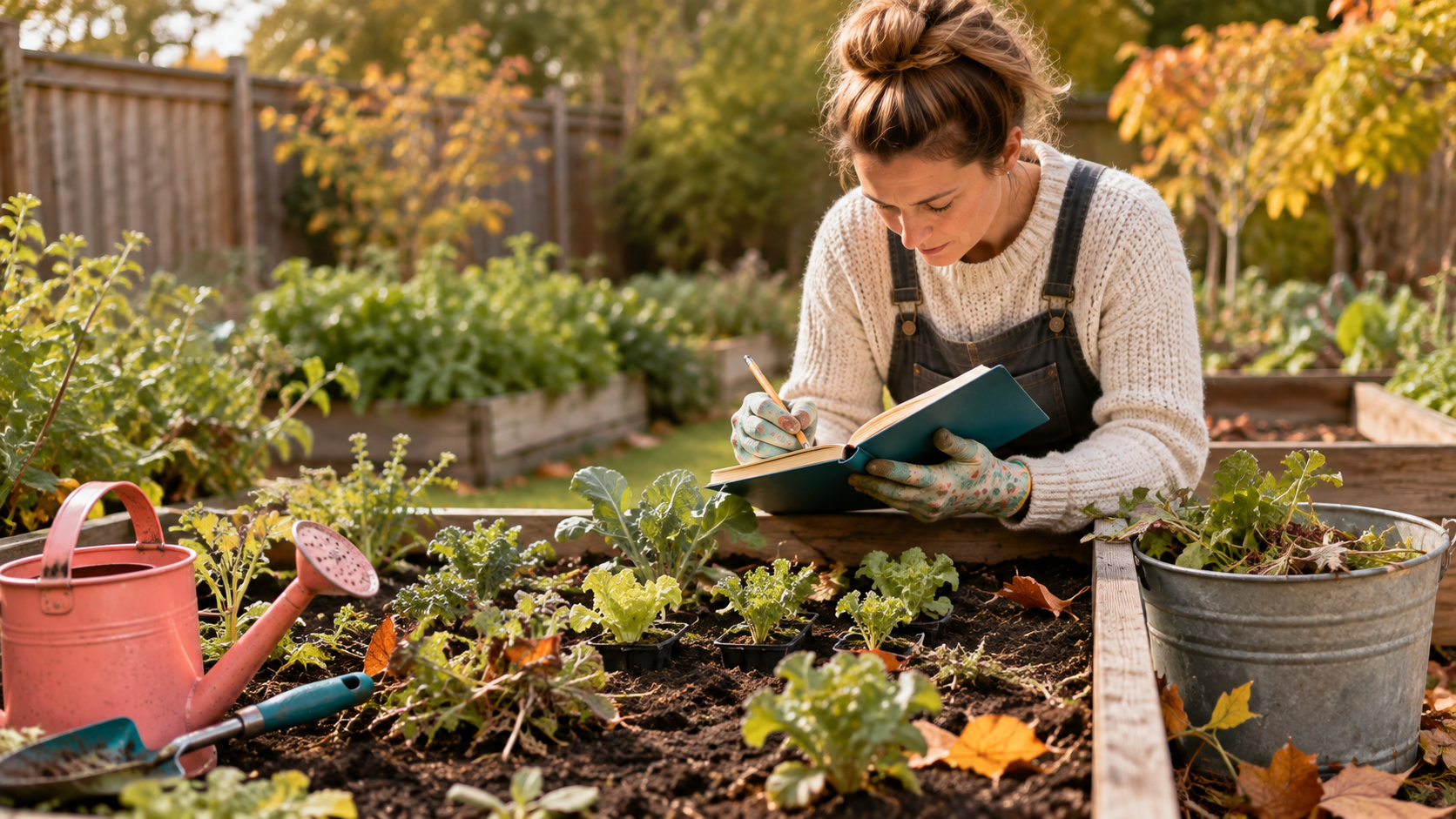
Does your garden lose momentum when summer crops finish producing? Early fall is a short but valuable transition season, and without a plan, empty beds, tired soil, and the first frost can arrive before new crops are ready. An early fall garden planning guide helps you use the remaining growing weeks wisely by choosing the right vegetables, preparing soil, protecting young plants, and organizing tasks around your local frost date.


Whether you are growing in raised beds, containers, a small backyard plot, or a larger vegetable garden, a fall garden planning guide makes the season easier to manage. With a simple fall garden planting schedule, a few practical tools like garden planning notebooks, seed packets, and plant labels, you can grow leafy greens, root vegetables, broccoli, carrots, beets, radishes, and other cool-season crops before winter arrives. This guide explains what to plant in early fall, how to calculate planting dates before first frost, and how to prepare garden beds for a healthy autumn harvest.

When to start a fall garden
The best time to begin an early fall vegetable garden planning project is often during late summer, not after autumn has fully arrived. Many fall crops need several weeks to germinate, establish roots, and mature before temperatures drop too low. Starting early also gives seedlings time to recover from summer heat while the soil is still warm.
The first step in how to plan a fall garden is identifying your average first frost date. You can find this through a local extension service, a reliable planting calendar, or a zip-code-based gardening resource. Then count backward from that date using the crop’s days to maturity, adding extra time because shorter days and cooler temperatures often slow growth in autumn.
A basic formula for your fall garden planting calendar is:
Average first frost date – days to maturity – 7 to 14 extra days = approximate planting date
For example, if radishes need 30 days to mature and your first frost usually arrives in 60 days, sowing them about 30–45 days before frost gives you a reasonable harvest window. Fast crops can be planted closer to frost, while slow crops such as broccoli, cauliflower, and carrots may need an earlier start.
A garden calendar makes it easier to record your first frost date, sowing dates, transplant dates, and expected harvest windows. If you are new to seasonal planning, a garden journal also helps you compare what worked this year with next year’s fall garden planting schedule.
What to plant in early fall
The best vegetables to plant in early fall are cool-season crops that tolerate declining temperatures and shorter daylight. Choose varieties with a short maturity period whenever possible, especially if you are planting later than recommended.
For many gardeners, the most reliable vegetables to plant in early fall include:
- Lettuce and salad greens
- Spinach
- Arugula
- Kale
- Swiss chard
- Radishes
- Beets
- Carrots
- Turnips
- Green onions
- Broccoli
- Cauliflower
- Cabbage
- Peas
- Cilantro and parsley
Leafy greens for fall garden beds are especially useful because many can be harvested young instead of waiting for full maturity. Baby lettuce, arugula, and spinach can provide fresh leaves within a few weeks, while kale and chard may continue producing through light frosts.
For a quick harvest, consider lettuce seeds, spinach seeds, and radish seeds. These options are practical for beginners because they can often be succession planted every one to two weeks for a longer harvest period.
If you want a root crop section, fall carrots, beets, and radishes are excellent choices. Radishes mature quickly, while carrots and beets benefit from the cooler conditions of autumn. A seed dibber helps create consistent planting holes, and a row marker keeps multiple sowings organized.
Broccoli, cauliflower, and cabbage can also perform well in fall, especially when planted as young transplants. If there is not enough time to grow them from seed, look for healthy broccoli seedlings or fall vegetable starter plants. Established transplants can save valuable growing time before the first frost.

Fall garden planting schedule by zone
A fall garden planting guide by zone is useful, but your exact schedule should also consider microclimate, elevation, local weather, and the specific crop. Two gardens in the same USDA zone may have different frost dates because one is exposed to wind while the other sits near a warm wall.
Zones 3–4
These regions usually have short autumn growing windows. Begin planning in late spring or early summer for crops that need extra time. Kale, spinach, radishes, turnips, and fast-growing greens are generally more practical than slow crops planted late.
Use frost protection row covers to extend the harvest window. They can provide a layer of protection during light frost while allowing sunlight and air circulation to reach the plants.
Zones 5–6
Gardeners in Zones 5–6 often have more flexibility for planting from mid-summer into early fall. You can usually plan several rounds of lettuce, spinach, radishes, carrots, beets, and Asian greens. Broccoli, cabbage, and cauliflower may also work well when started early enough.
A soil thermometer can help you decide when conditions are suitable for germination. Soil temperature is especially useful when air temperatures fluctuate between warm afternoons and cool nights.
Zones 7–8
These zones often have a longer fall and winter growing season. Planting may continue into late summer and early autumn, with cool-season crops becoming the main focus after summer vegetables decline. Lettuce, carrots, peas, broccoli, kale, and herbs can all fit into a productive fall garden planting schedule.
For warm early autumn conditions, use shade cloth over newly planted greens. It can reduce stress during hot afternoons while seedlings establish.
Zones 9–10
In warmer climates, early fall may be the beginning of the main vegetable-growing season rather than the end. Heat-tolerant crops can finish producing while you gradually introduce lettuce, greens, carrots, beets, peas, and brassicas. Keep an eye on local temperatures because planting too early can expose cool-season crops to excessive heat.
A self-watering planter is helpful for small spaces or balconies where containers dry quickly during the late-summer transition.
How to prepare garden beds for fall
Preparing soil for a fall garden does not require starting from scratch. Begin by removing finished summer crops, weeds, and damaged leaves. Pull diseased plants completely and dispose of them appropriately instead of adding them to a compost pile that may not reach temperatures high enough to destroy pathogens.
Healthy plant material can be chopped and added to a properly managed compost system. Before replanting, loosen the top few inches of soil and add finished compost. This helps replenish organic matter after heavy summer crops have used nutrients and moisture.
A garden hand cultivator is useful for loosening shallow soil without disturbing the entire bed. For larger areas, a garden fork can improve aeration while preserving deeper soil structure.
Follow these fall garden soil preparation steps:
- Remove finished annual crops and visible weeds.
- Inspect plants for disease before adding anything to compost.
- Loosen compacted areas gently.
- Add finished compost or well-aged organic matter.
- Level the bed before sowing seeds.
- Water the soil before planting if it is unusually dry.
- Mark crop rows and planting dates.
Avoid aggressively turning healthy soil every season. Excessive digging can disturb soil structure and beneficial organisms. A light surface preparation is often enough for direct sowing, particularly in raised beds that have already been cultivated.
For a simple soil improvement routine, a compost spreader can distribute amendments evenly, while organic garden compost provides a convenient option when homemade compost is not ready.
Fall garden succession planting
Fall garden succession planting helps you avoid harvesting everything at once. Instead of sowing one large row of lettuce or radishes on a single day, divide the seeds into smaller batches and plant them every 7–14 days while your weather allows.
This method works especially well with:
- Radishes
- Lettuce
- Spinach
- Arugula
- Turnips
- Baby carrots
- Green onions
- Small amounts of cilantro
For example, you might plant one short row of radishes this week, another next week, and a third row the week after. This creates a more manageable harvest and keeps empty areas productive.
Use succession planting markers to record crop names and sowing dates. A waterproof garden marker is worthwhile because ordinary ink can fade after rain, making it difficult to identify later plantings.
When planning a small garden, succession planting is more useful than trying to grow every crop at once. It gives you flexibility, reduces waste, and makes limited space work harder without creating an overwhelming harvest.
Fall garden maintenance and frost protection
Once fall crops are planted, maintenance becomes a balance between moisture, pests, airflow, and temperature. Young seedlings may still need regular watering during warm early fall weather, while mature plants can become vulnerable to sudden cold nights.
Watering plants before first frost can help protect roots from drying out, but avoid leaving soil saturated. Deeply water when the top layer feels dry, preferably early in the day so foliage has time to dry before evening.
Use drip irrigation kits or soaker hoses to deliver moisture close to the soil surface. These tools are especially helpful for raised beds and small gardens where consistent watering can be difficult to maintain.
For frost protection, cover vulnerable crops when a light frost is expected. A garden cloche works well for individual plants, while frost blankets are more practical for rows. Make sure covers do not rest heavily on delicate foliage, and remove them when temperatures rise the next morning.
Mulching is another useful fall garden maintenance strategy. Add a light layer of straw garden mulch or shredded leaves around established crops, leaving a little space around plant stems. Mulch helps moderate soil temperature, reduce evaporation, and limit weed growth.
Early fall garden checklist before first frost
Use this early fall garden checklist before the first frost arrives:
- Find your average first frost date.
- Calculate planting dates for each crop.
- Choose fast-maturing and cool-season varieties.
- Remove finished summer crops.
- Pull diseased plants away from healthy beds.
- Add finished compost to depleted soil.
- Loosen and level planting areas.
- Sow leafy greens and quick root crops.
- Plant broccoli, cauliflower, cabbage, or kale transplants.
- Start succession plantings of lettuce, radishes, or spinach.
- Label each row with crop and planting date.
- Check soil moisture regularly.
- Prepare frost blankets, row covers, and garden cloches.
- Add mulch around established plants.
- Inspect leaves for pests and disease.
- Harvest mature crops before hard frost.
- Clean and store empty containers and tools.
- Record what worked for next year.
A garden kneeling pad can make repeated planting and cleanup more comfortable, especially when you are working through several beds. For harvesting, a garden harvest basket keeps greens and root vegetables together while reducing trips back to the house.

Preparing perennials and spring bulbs
An early fall garden is not only about vegetables. This is also a useful time to prepare perennial beds and plant spring bulbs, depending on your local climate and the timing recommended for your region.
Early fall perennial planting allows roots to establish while temperatures are moderate. Keep new plants watered during dry periods, but avoid planting into soil that stays constantly wet. Choose plants suited to your hardiness zone and available sunlight.
Spring bulbs to plant in fall may include tulips, daffodils, crocuses, alliums, and other varieties recommended for your region. Planting depth and timing vary, so check the instructions for each bulb rather than using one rule for everything.
A bulb planter tool makes planting more consistent, particularly if you are adding many bulbs. You may also want plant support stakes for newly planted perennials that need help standing upright during autumn rain and wind.
Fall garden cleanup and winter preparation
Fall garden cleanup should be thorough but not overly aggressive. Remove diseased leaves, fallen fruit, and plants that are no longer productive. Leave some healthy stems, seed heads, or flower stalks if they provide winter interest or food for birds and beneficial insects.
Clean tools after use, especially if you have removed diseased plants. A garden tool cleaning kit can help remove soil and plant residue before tools are stored. Dry tools properly and apply a light protective coating to metal surfaces if needed.
Before winter, empty and clean containers, drain hoses, and store delicate equipment in a dry place. If you use raised beds, cover bare soil with compost, leaves, or a suitable mulch rather than leaving it completely exposed.
How to winterize a vegetable garden depends on your climate and the crops remaining. Some gardeners use cover crops, while others add compost and mulch. In small spaces, simply covering unused containers and protecting perennial herbs may be enough.
Common early fall gardening mistakes
One common mistake is planting according to the calendar without checking the first frost date. A crop planted on the same date every year may succeed during a long autumn but fail during an early cold snap. Use your local frost date and adjust when weather conditions change.
Another mistake is choosing crops that take too long to mature. If you have only six weeks before frost, a crop that requires 80 days may not be a realistic choice unless you use transplants or plan to protect it.
Overwatering is also easy to do when temperatures cool. Check the soil before watering rather than following a fixed summer routine. Cool, wet soil can slow growth and create conditions that encourage disease.
Finally, do not leave frost preparation until the night temperatures drop. Keep garden frost protection supplies nearby and know where they are stored. A few minutes of preparation can protect weeks of growth.
Your early fall garden does not need to be large or complicated to be productive. Start by checking your first frost date, choose a few reliable cool-season crops, and prepare one bed or container at a time. With steady maintenance, thoughtful succession planting, and simple frost protection, your garden can continue providing fresh harvests well into autumn.
FAQ
FAQs About Early Fall Garden Planning Guide
What vegetables can I plant in early fall?
Good vegetables to plant in early fall include spinach, lettuce, arugula, kale, radishes, beets, carrots, turnips, broccoli, cabbage, cauliflower, and green onions. Choose fast-maturing varieties if your first frost is approaching. Leafy greens and radishes are often beginner-friendly because they can be harvested young and do not require a long growing season. Check the seed packet maturity time and add extra days for slower autumn growth.
How do I calculate a fall garden planting date?
Start with your average first frost date, then count backward by the crop’s days to maturity. Add another 7–14 days because cooler temperatures and shorter daylight can slow growth. The result gives you an approximate planting date, but local weather and microclimate should also guide your final decision. A garden calendar or planting journal can make the calculation easier to track.
Can I start a fall garden in a small space?
Yes, small spaces are well suited to early fall garden planning. Use containers, grow bags, window boxes, or small raised beds for lettuce, spinach, herbs, radishes, carrots, and compact kale varieties. Succession planting allows you to grow several small batches instead of filling the entire space at once. Choose containers with drainage holes and place them where they receive adequate sunlight.
How can I protect fall crops from frost?
Use row covers, frost blankets, cloches, or low tunnels when light frost is expected. Water plants earlier in the day if the soil is dry, and cover crops before temperatures fall in the evening. Remove covers after the weather warms so plants receive adequate light and airflow. For repeated cold nights, choose sturdy protection that can be secured without pressing heavily on the plants.
What should I do if I have low energy for fall garden maintenance?
Focus on the highest-impact tasks first: remove diseased plants, water newly planted crops, protect plants from frost, and harvest mature vegetables. You do not need to complete every cleanup task in one weekend. Divide the work into 10–15-minute sessions and keep a short fall garden checklist nearby. Starting with one container or bed is enough to build momentum without creating unnecessary mental load.
How early should I begin planning a fall vegetable garden?
Ideally, begin planning during late summer so you have time to calculate planting dates and start slow-growing crops. If you are already in early fall, focus on quick crops, healthy transplants, and varieties suited to your remaining growing days. A planting schedule by USDA zone can provide a useful starting point, but your local first frost date is more important than the month on the calendar.
Small steps can create a surprisingly productive fall garden, so begin with one crop, one container, or one prepared bed. Save this guide for your seasonal planning and follow @theclutteredblog on Pinterest for more practical gardening checklists, home organization ideas, and simple routines.