


























Easter morning gets chaotic fast, especially when kids are different ages and energy levels. A simple, visual Easter egg hunt clue board turns the excitement into a calm, screen‑free game everyone can follow. It helps you organize Easter egg hunt clue cards, track which eggs are found, and keep the scavenger hunt fair for toddlers, preschoolers, and older kids alike.

Instead of hiding random eggs and hoping for the best, you can design a kid‑friendly Easter egg scavenger hunt with picture clues, rhyming riddles, and a clear numbered clue trail. A central clue tracking board or egg found tracker keeps kids focused and prevents meltdowns over “who got more”. Whether you’re planning an indoor Easter egg hunt on a rainy morning or an outdoor Easter egg treasure hunt in the backyard, a clear board makes everything feel more intentional and magical.
This guide walks you through planning an Easter egg hunt for kids that’s low‑stress for you and high‑fun for them. You’ll learn how to mix printable Easter egg hunt clues, editable Easter clue cards, and color‑coded Easter egg hunt ideas into one simple system you can reuse every year.

What Is an Easter Egg Hunt Clue Board?
An Easter egg hunt clue board is a simple visual hub that shows kids where they are in the game, which clues they’ve solved, and which eggs are still hiding. Think of it as a control center for your Easter egg treasure hunt so you’re not answering “how many left?” every five seconds.
You can use it with picture clue board for kids, rhyming Easter egg clues, and numbered clue trail cards so children of different ages can all join in at their own level. A good board doubles as an Easter egg hunt checklist and egg found tracker, making it easy to see progress at a glance. Add a small Easter basket reward chart to show what happens when all eggs are found, like a family movie, a shared craft, or a special snack.
This idea works just as well for a cozy Easter morning activity for kids at home as it does for a classroom Easter egg hunt or preschool Easter egg hunt game. It also keeps a family Easter activity screen‑free and calmer, because kids have something clear to look at instead of fighting over hidden spots.
Planning Your Hunt: Indoors vs Outdoors
Before you design your clue board, decide if you’ll run an indoor Easter egg hunt, an outdoor Easter egg hunt, or a mix of both. Indoors works well for early mornings, bad weather, or when you want tight control over hiding spots and mental load, especially with toddlers. Outdoors is perfect for a backyard, playground, or park where kids can run, follow bunny footprints trail signs, and use an Easter map board for kids.
For indoor Easter egg hunt clues, focus on everyday objects: bed, sofa, sink, bookshelf, toy box, shoes, and table. Rhyming Easter egg clues or simple picture clues help pre‑readers join in while older kids read the full riddle. For outdoor Easter egg hunt clues, use clear landmarks like flowerpots, garden beds, trees, gates, swings, and benches so kids don’t wander too far.
When planning a color‑coded Easter egg hunt, assign each child a specific color of eggs or stickers on the clue cards so older kids don’t grab everything first. You can even create separate clue paths for different ages: easy clues for toddlers, picture clue board trails for preschoolers, and riddles for older kids with extra steps or codes to crack.
Types of Clues for Different Ages
Using a mix of clue types makes your Easter egg hunt game ideas flexible for every child. For toddlers, stick to easy clues for toddlers, like photos of locations or big icons (bed, chair, door) on an Easter egg hunt clue board they can point to. Color‑matching and picture clues are perfect at this stage because they don’t need reading skills—just show the picture and let them find the match.
Preschoolers love kids Easter scavenger hunt clues that rhyme but are still simple. Short rhyming Easter egg clues like “I’m where you sleep at night, where dreams take flight” for the bed keep them engaged without overwhelming them. Older children enjoy riddles for older kids that make them think a bit harder and move around more, like “I have hands but cannot clap” leading to a clock or “I have a ring but no fingers” leading to a phone.
You can mix clue styles on one Easter egg hunt clue board: picture clues for toddlers, numbered clue trail cards with rhymes for early readers, and more complex Easter egg scavenger hunt riddles for confident readers. That way, everyone has a fair challenge and feels included. Editable Easter clue cards or printable Easter egg hunt clues from templates make it easy to quickly customize your set and reuse it each year.
Designing the Clue Board Layout
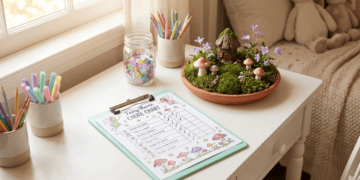
Once you know your clue types, lay them out on a clear, kid‑friendly board. Start with a big title like “Easter Egg Hunt Clue Board” across the top, then divide the space into sections for clues, egg found tracker, and Easter basket reward chart boxes. Use washi tape or colored markers to visually separate indoor vs outdoor clues or different paths for each child.
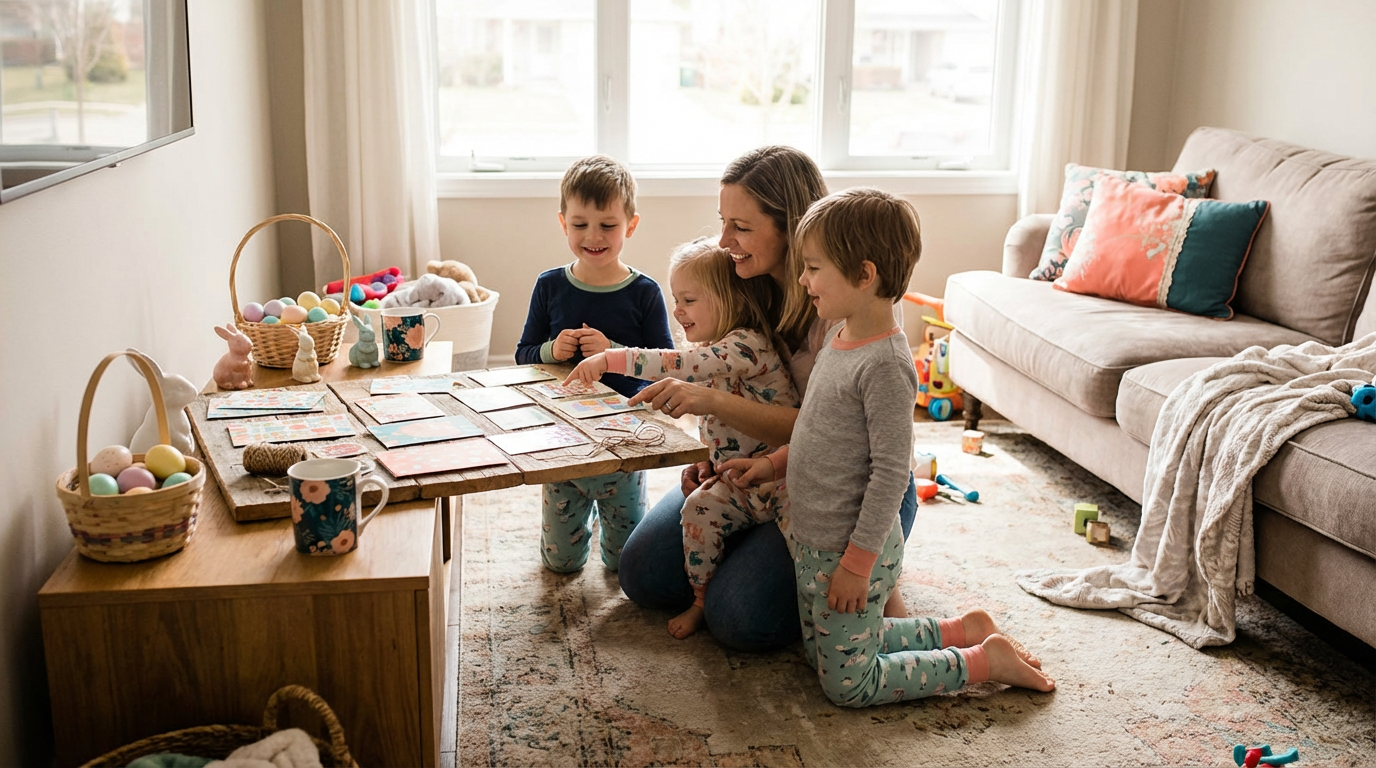
A picture clues board section works well for younger kids who can’t read yet. Print or draw simple icons for bed, couch, plant, sink, and so on, and cover each picture with a small sticky note or mini envelope. When they solve a clue or find an egg, they peel off the cover or add a sticker to show it’s done, turning the clue board into a satisfying progress chart.
For older children, create a numbered clue trail section that lists each clue in order. Kids can place the matching Easter egg hunt clue cards on the board as they go, or you can clip each clue to the board and move a marker along as they advance. Add little bunny footprints trail graphics or tape on the edges of the board pointing toward the next clue type or section to keep the theme fun and visual.
Step‑by‑Step: Setting Up Your Hunt
To keep your Easter morning smooth, set up your hunt in a simple, repeatable order. First, decide how many eggs you want to hide and whether you’re using plastic eggs with small treats, puzzle pieces, or notes inside. Then choose your mix of Easter egg hunt clue cards: picture clues, rhymes, riddles, or a combination, and print or write them out on editable designs.
Next, map out your hiding spots and assign each one a specific clue. It helps to write a quick master list so you don’t forget where things are, especially for outdoor or garden hunts. If you’re running a puzzle pieces hunt board, slip one piece of a simple jigsaw into several eggs and have the kids bring them back to the clue board to assemble a final picture for a bonus reward.
Attach your clues to the Easter egg hunt clue board in the order you want kids to follow, or group them by type or color. Leave room for an Easter map board for kids or a simple drawn layout of your home or yard to help visual learners. Add finishing touches like bunny footprints trail markers on the floor, arrows, and a small basket by the board where kids can place found eggs before claiming their Easter basket rewards.
Practical Clue Board Checklist (Ready‑to‑Use)
Use this practical checklist to create your own DIY Easter egg hunt kit and clue tracking board without overthinking it. Customize quantities to your family, classroom, or playgroup size.
- Decide hunt type: indoor, outdoor, or mixed
- Choose age levels: toddlers, preschoolers, older kids
- Pick clue styles: picture clues, rhyming riddles, number trail, color‑coded eggs
- Prepare 10–20 Easter egg hunt clue cards (mix easy and tricky)
- Print or draw picture clue board for kids (icons for key locations)
- Create color‑coded Easter egg hunt sets (one color per child or level)
- Set up numbered clue trail list on the clue board
- Add egg found tracker section with boxes or checkmarks
- Include Easter basket reward chart with clear, simple rewards
- Draw or print bunny footprints trail to guide kids to the starting point
- Add Easter map board for kids (simple sketch of home, garden, or classroom)
- Prepare puzzle pieces hunt board if using a final puzzle reveal
- Gather supplies: plastic eggs, small treats or notes, tape, markers, stickers
- Hide eggs and double‑check your master hiding list
- Place the clue board in a central spot and explain rules briefly before starting
Keep this checklist handy with your seasonal decorations so next year’s classroom Easter egg hunt, family Easter activity, or preschool Easter egg hunt game takes minutes to prep instead of hours.

Extra Tips for Calm, Screen‑Free Fun
A good kids Easter scavenger hunt balances excitement with clear expectations. Set simple ground rules at the clue board: no running indoors, keep clues on the board, and help younger siblings if you’re older. Consider a few screen‑free Easter game variations, like giving older kids extra riddles for older kids while younger ones simply follow picture clues and bunny footprints.
For mixed ages, color‑coded Easter egg hunt rules help maintain fairness: each child only collects their own color or label. You can also assign bonus “golden egg” clues with small non‑candy rewards like stickers, mini crafts, or a special responsibility (choosing the family movie). For large groups, such as classroom Easter egg hunt or neighborhood gatherings, make multiple smaller clue boards rather than one huge one, so kids aren’t crowding.
Remember that an Easter egg hunt for kids doesn’t have to be perfect to be memorable. Focus on simple, clear clues, a visible egg found tracker, and a calm Easter basket reward chart, and you’ve already created a kid‑friendly system you can tweak every year. Little by little, your DIY Easter egg hunt kit will become a beloved family or classroom tradition.
A thoughtful clue board makes your Easter egg treasure hunt smoother for you and more magical for kids. Start simple this year, keep your favorite ideas, and let your Easter morning activity for kids evolve with your family’s needs and energy.
FAQs About Easter Egg Hunt Clue Board
How can I set up an Easter egg hunt clue board when I have almost no time?
If you’re short on time and energy, keep the setup extremely simple. Print or quickly handwrite 8–10 Easter egg hunt clue cards, then tape them directly onto a basic board or large sheet of paper in a numbered clue trail. Use everyday locations like bed, sofa, table, and sink so you don’t have to think hard about hiding spots. Skip complex designs and just add a minimal egg found tracker where kids tick off each clue as they go, which still feels special but takes minutes to prepare.
What are the best clue ideas for low‑energy days with toddlers and preschoolers?
On low‑energy days, lean heavily on picture clues board layouts and easy clues for toddlers. Use photos or simple drawings of key spots, like the toy box or front door, and stick them to your Easter egg hunt clue board. For preschoolers, add short rhyming Easter egg clues underneath the pictures so they get the fun of guessing without needing long explanations. Keep the hunt short—around 6–8 clues—and let older siblings help move markers on the clue tracking board, so you can mostly supervise from one place.
How do I keep the hunt consistent and fair for kids of different ages?
Consistency and fairness are much easier with a color‑coded Easter egg hunt and a visible egg found tracker. Assign each child a color of egg or sticker and list that color in a small legend on the clue board so everyone remembers the rule. Create slightly different Easter egg scavenger hunt paths for each age: picture clues and simple rhymes for younger kids, riddles for older kids with an extra step or two. As eggs are found, have children place them in baskets by the board and mark off their progress on the Easter basket reward chart so they can see that everyone is moving along fairly.
How can I use a clue board in a small space or tiny apartment?
In small spaces, your Easter egg hunt for kids doesn’t need many hiding spots—just use a more detailed clue board to make it feel like a big adventure. Focus on a tight set of locations (bed, couch, desk, shelf, kitchen counter) and design a picture clues board that turns each into a “zone”. You can reuse the same zone for more than one clue by changing the riddle or the exact hiding place, like “under the pillow” versus “behind the pillow”. Hang the clue board on the wall or fridge and let kids move a small magnet or sticker along the numbered clue trail so they still feel like they’re traveling, even if the home is small.
How do I reduce my mental load when planning a classroom or family Easter egg hunt?
To reduce mental load, build a reusable DIY Easter egg hunt kit that lives in one box. Inside, keep laminated editable Easter clue cards, printed picture clues, bunny footprints trail signs, and a simple Easter map board for kids you can tweak with a marker. Save your favorite Easter egg hunt game ideas and clue lists on paper and clip them to the back of your clue board so you don’t reinvent the wheel each year. When Easter comes around, all you have to do is choose which set to use (indoor, outdoor, classroom Easter egg hunt, or preschool Easter egg hunt game), hide the eggs, and hang the board—no starting from scratch.
Taking even one tiny step—like printing a few clue cards or sketching a simple clue board—can make your next Easter egg hunt feel calmer and more fun. Start with the easiest idea that excites you, save this post so you can revisit the checklists later, and follow @theclutteredblog on Pinterest for more gentle, practical guides like this.