




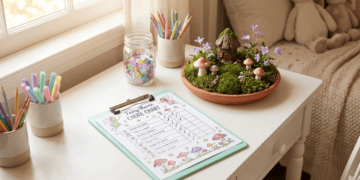





















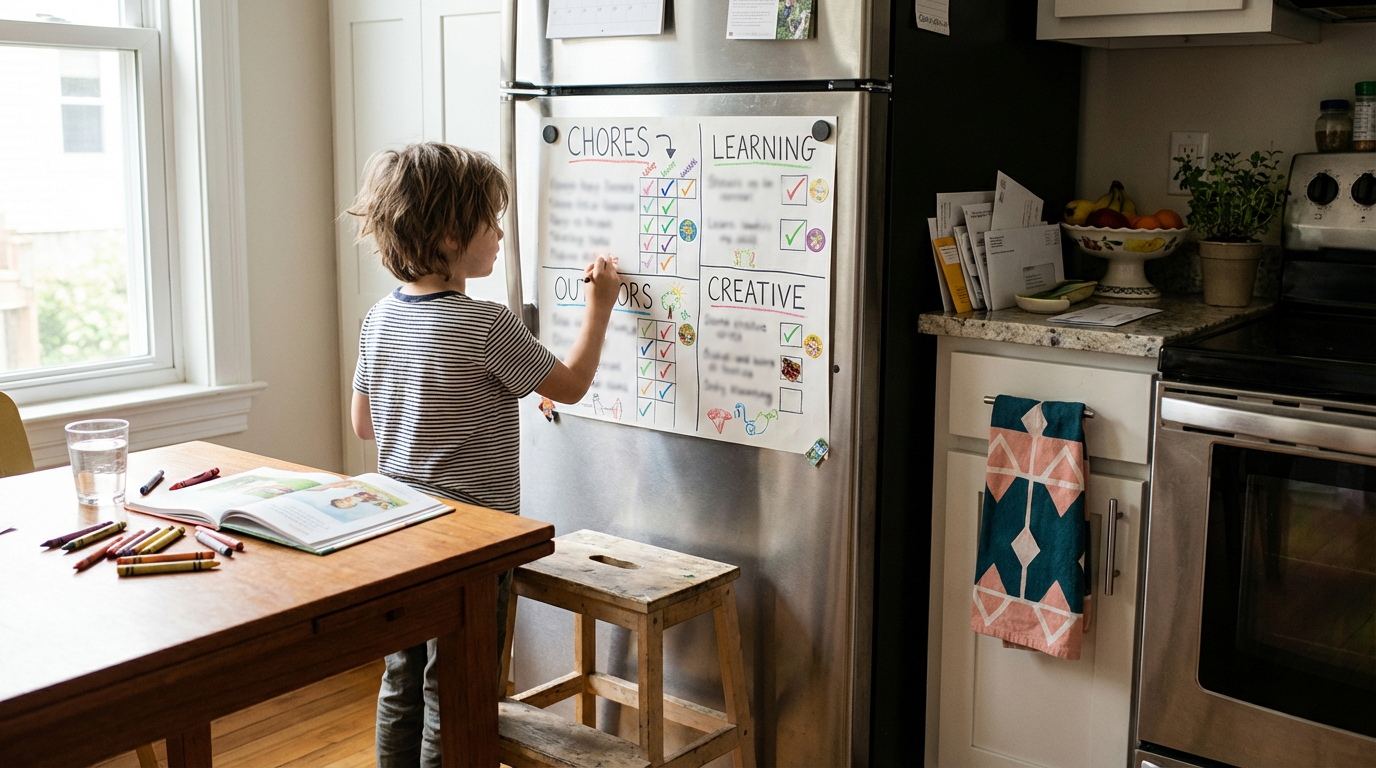
Summer can quickly turn into a blur of “I’m bored” and endless snack requests, especially when kids lose the structure of school days. A well-designed summer kids chore and activity chart helps bring back gentle routines without taking away the fun. It gives children clear expectations, a sense of responsibility, and plenty of built‑in play and rest.


With a thoughtful summer chore and activity chart, you can pair daily summer chores and activities with age‑appropriate summer chores, creative play, and outdoor time. Parents gain help around the house and less mental load, while kids enjoy earning sticker rewards, pocket money, or screen time tickets for chores. The goal is not perfection, but a simple system that keeps everyone aligned and the household running smoothly.
When you combine a kids summer schedule chart with fun ideas like educational activities, outdoor play time, and family team tasks, you get a summer routine chart for kids that actually works in real life. You can make it a printable summer chore chart, an editable summer chore chart, or even a whiteboard on the fridge—whatever fits your family best.

Why a Summer Kids Chore and Activity Chart Works
A clear summer chore list for kids turns vague expectations into visible, concrete tasks they can understand and complete on their own. It helps kids wake up knowing what’s coming next instead of constantly asking what they “have to do.” This builds independence, confidence, and a sense of contribution.
A summer chore and activity chart also helps balance indoor chores and outdoor chores with fun activities, so kids aren’t stuck cleaning all day. When they see educational activities, active time, and creative time listed right alongside help mom and dad tasks, the chart feels fair and motivating. Over time, children start to internalize these rhythms and carry them into the school year.
Finally, a weekly summer chore tracker reduces the mental load for parents. Instead of remembering every small task or repeating instructions, you can simply point to the daily checklist for kids. This single visual tool becomes your “second brain” for summer routines, rewards, and responsibilities.
Key Elements of an Effective Summer Chart
The best summer routine chart for kids is simple, visual, and flexible enough to adjust as your days change. Start by deciding whether you want a printable summer chore chart you can laminate or an editable summer chore chart you can tweak on your computer as needed. Both can work well as long as they’re posted somewhere your children see often.
Next, include a mix of daily summer chores and activities that cover:
- Age‑appropriate summer chores (bedroom, bathroom, kitchen, shared spaces)
- Indoor chores and outdoor chores
- Educational activities (reading, math games, writing)
- Outdoor play time tracker items (bike rides, sprinklers, park visits)
- Active time (sports, walks, dance parties)
- Creative time (crafts, drawing, Lego challenge, building projects)
Finally, add motivational tools like a sticker reward chart, a pocket money / allowance tracker, and a system for screen time tickets for chores. These small incentives help kids connect effort with rewards while you still keep firm boundaries and clear screen rules.
Age-Appropriate Summer Chores (By Zone)
To build a realistic summer chore list for kids, match tasks to your child’s age and capability. Age‑appropriate summer chores keep things safe and achievable while still stretching their skills. You can create separate columns or colors on your chart for different ages or simply mark tasks with icons.
Examples of indoor chores:
- Little kids: put toys in bins, place dirty clothes in hampers, wipe low surfaces with a damp cloth
- Elementary: make their bed, tidy bedroom, clear own dishes, help unload dishwasher, match socks
- Tweens/teens: clean bathroom surfaces, vacuum, mop floors, load dishwasher fully, help with laundry
Examples of outdoor chores:
- Little kids: help water plants with a small watering can, pick up outdoor toys
- Elementary: pull small weeds, sweep porch or patio, help gather recycling
- Tweens/teens: mow lawn (if safe), take out trash and recycling, help wash the car, assist with gardening
You can also include help mom and dad tasks like meal prep sidekick roles, organizing a summer picnic, or helping pack bags for outings. As you define chores, keep a balance between quick everyday jobs and bigger weekly tasks so kids don’t get overwhelmed.
Balancing Chores, Learning, and Fun
A summer kids chore and activity chart works best when it doesn’t feel like an endless to‑do list. That’s where educational activities, active time, and creative time come in. When these are part of the daily summer chores and activities list, kids see that learning and fun are just as important as tidying up.
Educational activities (reading, math games) can include:
- Quiet reading time (picture books, chapter books, comics)
- Digital or board‑based math games
- Writing a short story, postcard, or daily journal
- Simple science experiments or nature scavenger hunts
Active time (sports, bike ride, walk) keeps bodies moving:
- Family walks around the block
- Bike or scooter rides
- Backyard sports (soccer, basketball, badminton)
- Dance break to a favorite playlist
Creative time (crafts, drawing, Lego challenge) supports imagination:
- Open‑ended Lego challenge (e.g., build a summer theme park)
- Drawing or painting session
- Simple crafts with paper, glue, and recyclables
- Music practice or building a fort
A kids summer schedule chart can visually separate “Must‑Do” (chores) and “Fun‑To‑Do” (activities) blocks so kids can see that both are part of a complete day. This makes transitions smoother and reduces pushback when it’s time to clean up.
Practical Daily Checklist and Weekly Tracker
A strong system combines a daily checklist for kids with a weekly summer chore tracker. The daily list keeps things light and consistent, while the weekly view shows bigger tasks and patterns. Many parents find it helpful to link the sticker reward chart or pocket money / allowance tracker to the weekly completion of chores.
Here is a sample daily summer chores and activities list you can adapt:
- Make bed and tidy bedroom
- Get dressed, brush teeth, and eat breakfast
- Complete 1–2 indoor chores (e.g., unload dishwasher, wipe table, put laundry away)
- Complete 1 outdoor chore (e.g., water plants, sweep porch, pick up yard toys)
- 20–30 minutes of educational activities (reading, math games)
- 30–60 minutes of outdoor play time (sports, bike ride, walk)
- 30 minutes of creative time (crafts, drawing, Lego challenge)
- Help mom and dad with one family team task (e.g., set the table, prep snacks, pack outing bag)
- Put away toys and art supplies before evening screen time
Your weekly summer chore tracker might include bigger jobs like cleaning the bathroom sink, organizing a toy shelf, weeding a garden bed, or helping plan a family outing. Kids can see their progress with checkboxes or colored dots across the week.
Rewards, Screen Time Tickets, and Money
Motivation looks different for every child, but visual rewards work for most. A sticker reward chart gives immediate satisfaction for completing chores and tasks without always needing a tangible prize. You can let kids trade in a certain number of stickers for simple rewards like extra outdoor play time, choosing a family movie, or a small treat.
A pocket money / allowance tracker helps older kids see the connection between consistent effort and earning. Link specific help mom and dad tasks or weekly chore goals to set amounts. Keep it simple: decide a weekly total and break it into small chunks kids can clearly earn.
Screen time tickets for chores are especially useful in summer, when devices can easily take over. For example:
- Each completed daily checklist earns one ticket worth 15–30 minutes of screen time
- Bigger weekly tasks might earn bonus tickets
- No tickets are given for tasks that aren’t completed or are done with major arguing
Keep the rules visible near the chart so you don’t have to renegotiate every day. This approach turns screen time into something kids earn through responsibility instead of an automatic default.
Tips to Keep Your System Simple and Sustainable
To make your summer kids chore and activity chart last beyond the first enthusiastic week, keep it simple and adaptable. Start small with just a few chores and activities, then add more once the routine feels natural. Too many items from the beginning can overwhelm both kids and adults.
Use color, icons, or photos to help non‑readers follow along. For example, a picture of a book for reading time, a ball for active time, and a paintbrush for creative time. Laminate your printable summer chore chart or place it in a frame so kids can check off tasks with dry‑erase markers and reset it each day or week.
Revisit your kids summer schedule chart every week or two to adjust for camps, travel, or changing interests. Involve your children in choosing some of the chores and activities so they feel ownership. Over time, your summer chore and activity chart can become a treasured part of your family rhythm instead of just another “system” that fades away.
A simple, visual chart can transform long, chaotic days into a gentle flow that works for everyone. Start with a handful of age‑appropriate tasks, sprinkle in educational activities and fun, and let your kids help fine‑tune the details. Progress, not perfection, is what makes summer feel both restful and productive.

FAQs About Summer Kids Chore and Activity Chart
How do I find time to manage a summer kids chore and activity chart when I’m already busy?
Begin by building the chart around what you already do, rather than creating an entirely new routine from scratch. Combine existing daily habits like breakfast, outdoor play, and bedtime with a few small chores and activities. Once the chart is made and posted, it actually saves time because you answer fewer “What now?” questions. You only need a few minutes each morning or evening to review the kids summer schedule chart and reset any checkboxes.
What if my kids have low energy or resist chores during summer break?
On low‑energy days, lean into the simplest age‑appropriate summer chores and keep the rest of the list light. You can swap more demanding tasks for quick wins like tidying a single bin of toys or wiping the table. Use the sticker reward chart and screen time tickets for chores to focus on effort rather than perfection. Even one or two completed items keep the habit alive and help kids feel proud of themselves.
How can we stay consistent with a summer chore and activity chart all season long?
Consistency comes from making the chart easy to see and easy to use. Post your printable summer chore chart on the fridge or a hallway wall and let kids do the checking themselves. Keep your daily summer chores and activities list short enough that it actually fits into your typical day. Review the weekly summer chore tracker together once a week, adjust what isn’t working, and celebrate progress with small rewards or special family activities.
Can this system work in small homes or apartments with limited space?
Yes, a summer kids chore and activity chart can be especially helpful in small spaces. Focus on indoor chores and outdoor chores that fit your environment, like putting away clutter, wiping counters, or sweeping a small balcony. For active time and outdoor play time tracker items, think walks, bike rides, or trips to nearby parks. Creative time and educational activities can happen at a single shared table, with a simple bin or basket to store supplies when you’re done.
How does a chore and activity chart help with my mental load as a parent?
When everything lives in your head, summer feels exhausting before it even begins. A clear daily checklist for kids and a weekly summer chore tracker move those expectations out of your brain and onto paper. Instead of repeating instructions, you can point to the chart and let kids take responsibility for checking off their own tasks. Over time, they start anticipating what’s next, and you get a bit more breathing room and fewer decision‑making moments each day.
Taking one tiny step—like printing a simple daily checklist or sketching a rough chart on paper—is enough to start reshaping your summer days. You don’t need a perfect system; you just need something visible that you can tweak as you go. Save this post so you can return to the ideas anytime, and follow @theclutteredblog on Pinterest for more gentle routines, checklists, and calm‑summer inspiration.