








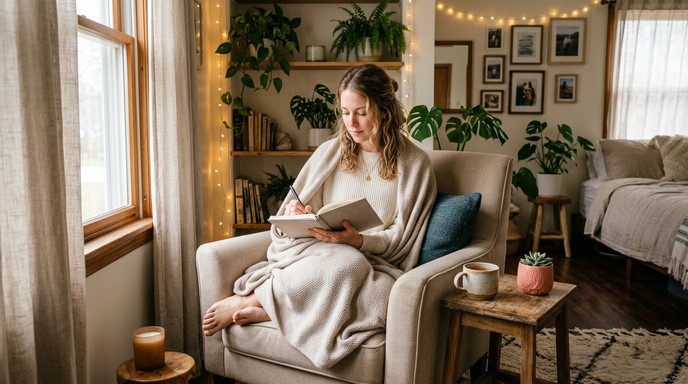
Life gets chaotic. Between work deadlines, family responsibilities, and endless to-do lists, finding moments just for yourself can feel impossible. But what if you could carve out a tiny sanctuary right in your own home? A dedicated space where you can breathe, reset, and recharge whenever you need it?


Creating a self care corner at home isn’t about having a spare room or a huge budget. It’s about intentionally designing a small space that signals to your brain: “This is where I come to take care of myself.” Whether it’s a cozy nook in your bedroom, a quiet corner in the living room, or even a section of your closet, your personal wellness corner can become your refuge from daily stress.
The beauty of self care corner ideas at home is that they’re completely customizable to your needs, space, and lifestyle. You don’t need perfection—you just need a starting point.

Why Every Home Needs a Dedicated Wellness Corner
A personal sanctuary space isn’t a luxury; it’s a necessity for mental and emotional well-being. When you have a designated area for self care, you’re more likely to actually practice self care consistently. It removes the mental load of deciding where to sit, what to do, or how to set up your space each time you need a break.
Think of your wellness corner as a physical reminder that you matter. In a world that constantly demands your attention, having a calm corner for moms at home (or anyone, really!) sends a powerful message: your peace is worth protecting. This space becomes your go-to spot for journaling, meditation, reading, or simply sitting in stillness.
Research shows that having a dedicated relaxation space can reduce stress levels and improve your ability to unwind. When your brain associates a specific location with rest and rejuvenation, simply entering that space can trigger a relaxation response. That’s the power of intentional design.
Finding the Perfect Spot Even in Small Spaces
One of the biggest misconceptions about creating a self care corner is that you need a lot of space. The truth? You can create a cozy self care nook in bedroom corners, living room edges, or even a section of your home office. The key is finding a spot that feels somewhat separate from your high-traffic areas.
For those searching for self care corner ideas for small apartments, consider these options:
- Bedroom corners: Transform an underused corner with a comfy chair and blanket
- Closet conversions: Clear out a section of your closet for a mini meditation space
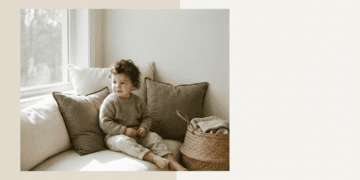
- Window nooks: Take advantage of natural light by setting up near a window
- Under-stair spaces: If you have stairs, the area underneath can become your sanctuary
- Balcony corners: Even a tiny balcony can host a peaceful retreat
The size doesn’t matter as much as the intentionality. A small corner with a comfy chair and blanket can be just as effective as a spacious room. What matters is that this space is yours—a screen free relaxation corner where you can disconnect from technology and reconnect with yourself.

When choosing your spot, consider:
- Natural light availability (a self care corner with plants and natural light feels more inviting)
- Noise levels (can you find relative quiet?)
- Privacy (will you be interrupted frequently?)
- Accessibility (can you easily get there when you need it?)
Essential Elements for Your Cozy Reading Nook and Self Care Corner
Once you’ve identified your space, it’s time to furnish it with elements that promote relaxation and comfort. You don’t need everything at once—start with the basics and build from there.
Comfortable Seating This is non-negotiable. Whether it’s a plush armchair, a floor cushion, a bean bag, or even a small loveseat, your seating should invite you to linger. If you’re working with a small corner with comfy chair and blanket setup, make sure the chair fits the space without feeling cramped.
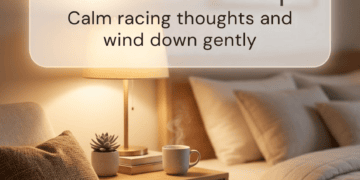
Soft Lighting Harsh overhead lighting kills the relaxation vibe. Instead, invest in soft lighting ideas for self care space:
- Table lamps with warm bulbs
- Fairy lights draped along walls or shelves
- Candles (real or flameless for safety)
- Salt lamps for a calming glow
- Dimmable floor lamps
Layering different light sources allows you to adjust the ambiance based on your mood and time of day.
Calming Color Palette The colors surrounding you impact your mood. A calming color palette for self care corner might include:
- Soft neutrals (cream, beige, warm gray)
- Muted blues and greens
- Lavender or soft purple tones
- Earth tones (sage, terracotta, warm browns)
You don’t need to repaint—incorporate these colors through pillows, throws, rugs, and wall art.
Natural Elements Bringing nature indoors instantly elevates your space. A self care corner with plants and natural light feels alive and grounding. Consider:
- Low-maintenance plants (snake plants, pothos, succulents)
- Fresh flowers when possible
- Natural wood elements
- Stone or crystal decorations
- A small water fountain for soothing sounds
Sensory Comforts Engage all your senses:
- Soft textures (throw blankets, plush pillows, fuzzy rugs)
- Pleasant scents (essential oil diffuser, scented candles, linen spray)
- Soothing sounds (small speaker for music or white noise)
- Visual beauty (artwork, photos, inspirational quotes)
Activities to Make Your At Home Spa Self Care Corner for Moms Functional
Your self care corner should support the activities that help you recharge. Think about what genuinely relaxes you and design your space accordingly.
Journaling Corner Ideas at Home If writing helps you process emotions and clear your mind, set up your corner for journaling:
- Small side table or lap desk for your journal
- Good quality pens that feel nice to write with
- Journaling prompts or guided journals
- Optional: tea mug holder to keep drinks nearby
Keep your journaling supplies visible and accessible so there’s no friction when you want to write.
Meditation and Yoga Corner Setup For those who prefer movement or mindfulness practices:
- Yoga mat that can roll up and store easily
- Meditation cushion or bolster
- Space to stretch your arms and legs comfortably
- Optional: yoga blocks, straps, or resistance bands
- Speaker or phone holder for guided meditations
A meditation and yoga corner setup doesn’t need to be large—just enough room to move freely.
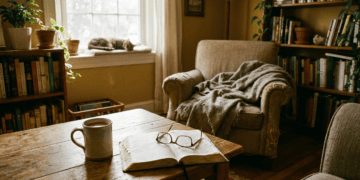
Reading Retreat If books are your escape:
- Bookshelf or basket for current reads
- Good reading light (adjustable is best)
- Bookmark collection
- Cozy blanket for long reading sessions
- Small table for tea or coffee
Your cozy reading nook and self care corner can combine multiple functions, making it a versatile retreat.
Digital Detox Zone Create a screen free relaxation corner by:
- Keeping phones and tablets out of sight
- Having analog activities ready (books, coloring books, puzzles)
- Using a traditional alarm clock instead of your phone
- Setting a “no devices” rule for this space
This boundary helps your brain truly disconnect and rest.
Creative Expression Some people find peace in creating:
- Art supplies (colored pencils, watercolors, sketchbook)
- Adult coloring books
- Craft projects
- Musical instruments (ukulele, keyboard)
- Knitting or crochet supplies
Your personal sanctuary space ideas should reflect what brings YOU joy, not what looks good on Pinterest.
Keeping Your Personal Sanctuary Space Clutter-Free
A cluttered self care corner defeats the purpose. The last thing you want is to feel stressed about the space that’s supposed to reduce your stress. Here are clutter free self care space tips:
Set Clear Boundaries Define what belongs in your wellness corner and what doesn’t. If it’s a journaling and reading space, keep work materials, bills, and random papers out. This space is sacred—it’s not a catch-all for household clutter.
Use Smart Storage Even in a small space, you can incorporate storage:
- Baskets or bins for blankets and pillows
- Floating shelves for books and decor
- Side tables with drawers
- Ottoman with hidden storage
- Wall hooks for robes or meditation shawls
Everything should have a designated home, making it easy to tidy up after use.
Regular Reset Routine Schedule a weekly or bi-weekly reset for your self care corner:
- Fluff pillows and fold blankets
- Dust surfaces
- Water plants
- Replace candles
- Rotate books or decor seasonally
- Remove anything that’s crept in that doesn’t belong
This maintenance keeps the space inviting and ready for use.
Minimalist Mindset Resist the urge to fill every inch. White space (or floor space, in this case) is calming. Ask yourself: “Does this item serve my peace, or is it just pretty?” Both can be valid, but be intentional.
How to Create a Self Care Reminder Corner Make your space work for you by adding gentle reminders:
- Inspirational quotes on the wall
- A vision board or intention card
- A small whiteboard for daily affirmations
- A habit tracker for your self care practices
- A sign that says “Breathe” or “You deserve this”
These visual cues remind you to actually use the space, not just create it and forget it.
Making Self Care a Daily Habit in Your Calm Corner
Creating the space is just the beginning. The real magic happens when you use it consistently. Here’s how to make your self care corner ideas at home a sustainable practice:
Start Small Don’t pressure yourself to spend an hour in your wellness corner every day. Start with five minutes. Sit, breathe, and be present. As the habit forms, you can extend the time naturally.
Schedule It Treat your self care time like any other important appointment. Block it on your calendar. Set a reminder on your phone (even if you leave the phone outside the corner!). Consistency builds the habit.
Create Rituals Rituals signal to your brain that it’s time to shift gears:
- Light a candle before you sit
- Make a cup of herbal tea
- Put on soft music
- Do three deep breaths before starting
- Say a simple affirmation
These small actions make the transition into self care mode easier.
Be Flexible Some days, your self care might look different, and that’s okay. If you only have ten minutes between picking up kids and making dinner, use your corner for a quick reset. If you’re exhausted, maybe you just sit and stare out the window. There’s no “right” way to use your space.
Involve the Family If you share your home with others, communicate the purpose of your self care corner. Help them understand that when you’re in that space, you’re recharging so you can show up better for everyone. Set boundaries respectfully but firmly.
Track Your Progress Notice how you feel before and after using your wellness corner. Keep a simple log if it helps: “Today I spent 15 minutes in my corner doing X, and I feel Y.” Seeing the benefits in writing reinforces the habit.
Your Self Care Corner Checklist
Use this checklist to create or refresh your self care corner:
- Choose a dedicated spot (corner, nook, or small area)
- Add comfortable seating (chair, cushion, or floor pillow)
- Install soft lighting (lamp, fairy lights, or candles)
- Incorporate plants or natural elements
- Select a calming color palette through decor
- Add cozy textures (blanket, throw pillows, rug)
- Include a small table or surface for drinks/supplies
- Set up storage for self care items (basket, shelf, or drawer)
- Choose 2-3 primary activities (journaling, reading, meditation)
- Gather supplies for chosen activities
- Add sensory elements (scents, sounds, textures)
- Create visual reminders or inspiration (quotes, affirmations)
- Establish a “no screens” rule or boundary
- Set up a weekly reset routine
- Schedule your first self care session (even just 5 minutes)
Remember, you don’t need to check every box at once. Start with what you have and build gradually.
The journey to better self care starts with a single step—or in this case, a single corner. Your self care corner doesn’t need to be Instagram-perfect or magazine-worthy. It needs to be yours: a place where you can exhale, reset, and remember that taking care of yourself isn’t selfish, it’s essential. Start small, be consistent, and watch how this tiny sanctuary transforms your daily life.

FAQs About Self Care Corner Ideas at Home
How much time do I actually need to spend in my self care corner for it to be effective?
You don’t need hours—even five to ten minutes of intentional time in your self care corner can make a difference. The key is consistency, not duration. If you’re juggling a busy schedule as a working parent or managing multiple responsibilities, start with what’s realistic. Some days it might be fifteen minutes with your morning coffee, other days just three deep breaths before bed. What matters is showing up for yourself regularly, even in small doses. Over time, these moments add up and create real mental and emotional benefits.
What if I’m too tired or have low energy to maintain a self care routine?
On low-energy days, your self care corner should work for you, not against you. Keep it simple: have a blanket ready to throw over yourself, keep a journal and pen within arm’s reach, and don’t pressure yourself to “do” anything productive. Sometimes self care looks like sitting in silence, staring at a wall, or lying on the floor with your feet up. Remove any guilt about not meditating “correctly” or journaling “enough.” Your wellness corner is there to support you exactly as you are, not to add another item to your performance checklist.
How do I stay consistent with using my self care corner when life gets chaotic?
Consistency comes from making your self care corner impossible to ignore and easy to use. Place it somewhere you’ll see it daily, keep your supplies visible and accessible, and pair your self care time with an existing habit (like after your morning coffee or before bedtime). Set phone reminders if needed, but also give yourself grace when you miss days. Consistency doesn’t mean perfection—it means returning to the practice again and again, even after breaks. Think of it as a relationship with yourself that you’re nurturing over time, not a streak you’re trying to maintain.
Can I really create a meaningful self care corner in a tiny apartment or shared space?
Absolutely! Some of the most effective self care corners exist in the smallest spaces—a reading chair tucked into a bedroom corner, a meditation cushion in a closet, or even a specific spot on your bed with a special blanket. The magic isn’t in the square footage; it’s in the intentionality. In shared spaces, communicate your needs clearly with roommates or family members and establish simple boundaries (like a “do not disturb” sign or agreed-upon quiet hours). A small corner with a comfy chair and blanket can be just as transformative as a spacious retreat if it’s consistently yours.
How do I handle the mental load of maintaining another space in my home?
Your self care corner should reduce mental load, not add to it. Keep it simple and low-maintenance: choose easy-care plants, use washable fabrics, and limit decor to items that truly spark joy. Create a five-minute weekly reset routine rather than daily deep cleaning. Remember, this space serves you—it’s not another project to perfect. If maintaining it feels burdensome, scale back. Remove items, simplify the setup, and focus on the essentials. A bare-bones self care corner that actually gets used is infinitely better than an elaborate setup that becomes another source of stress.
Remember, creating a self care corner is about progress, not perfection. Start with one small element—maybe just a cozy blanket in your favorite chair—and build from there. Every tiny step counts. Save this post for inspiration and follow @theclutteredblog on Pinterest for more practical ways to create a home that supports your well-being.