






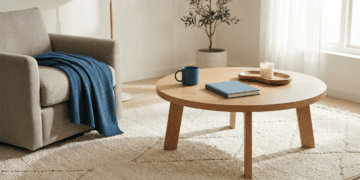











If your days feel rushed and scattered, a cottagecore lifestyle journal can become a gentle anchor that pulls you back to what truly matters: slow mornings, homemade bread, and the sound of birds outside your window. Instead of focusing on rigid productivity, this kind of cozy cottage journal helps you savor simple moments and build routines that feel soft, grounding, and deeply personal. With nature‑inspired lifestyle journal spreads, you can weave together garden notes, recipe ideas, and little observations that turn everyday life into something quietly magical.


A cottagecore aesthetic journal blends vintage textures, kraft paper, washi tape, and botanical printables into a warm space where to‑do lists, slow living journal entries, and gratitude pages all live side by side. Whether you’re tracking planting and harvesting in a garden journal, documenting unplugged day reflections, or logging your latest craft projects, this approach turns organizing your days into a creative ritual instead of another chore.

What Is a Cottagecore Lifestyle Journal?
A cottagecore lifestyle journal is a nature‑inspired notebook where you document daily life through a slow, intentional lens: baking bread, brewing herbal tea blends, tending plants, and paying attention to the weather and wildflowers around you. Think of it as a hybrid between a bullet journal, a garden journal, a recipe journal, and a simple joys log, all wrapped in soft, earthy colors and vintage ephemera.
Inside, you might combine cottagecore daily life journal pages, cozy routines, and nature observations log entries beside pressed flowers and leaves or mushroom and botanical printables. Kraft paper, washi tape, vintage book scraps, and cottage, basket, bread, and teapot stickers add a tactile, nostalgic feel that makes opening your notebook feel like stepping into a tiny paper cottage of your own.
Core Sections to Include in Your Journal
A helpful way to set up your cottagecore lifestyle journal is to divide it into flexible sections that support the way you actually live, not an idealized fantasy schedule. Use simple tabs or washi‑tape markers so you can flip quickly between nature entries, recipes, and cozy routines.
Here are some lovely sections you can add:
- Slow living journal: daily reflections, simple routines, and notes on how you’re gently slowing down.
- Cottagecore daily life journal: snippets of your day, from the first cup of tea to evening reading.
- Garden journal (planting, harvesting, garden notes): dates, varieties, and observations on growth, pests, and blooms.
- Recipe journal: baking bread notes, homemade meals you’ve loved, and favorite herbal tea blends with tweaks and ratings.
- Nature observations log: birds you spot, weather patterns, moon phases, wildflowers, and seasonal changes.
- Craft projects tracker: knitting, embroidery, DIY decor, and mending projects with materials, progress, and completions.
- Simple joys and gratitude pages: tiny moments that made you smile each day.
Over time, these sections become a record of how your days actually feel: imperfect, seasonal, and full of tiny details you might otherwise forget.

Cozy Aesthetic Pages and Materials
Part of the charm of a cottagecore aesthetic journal is the way it looks and feels in your hands. You don’t need to be an artist; you only need a few well‑chosen supplies that echo the cozy, nature‑inspired mood you’re after.
Consider using:
- Kraft paper pages or inserts for a warm, rustic base.
- Washi tape with florals, mushrooms, gingham, lace, or neutral patterns.
- Vintage ephemera: old book pages, music sheets, tickets, and postage stamps.
- Mushroom and botanical printables to decorate margins or create mini collages.
- Cottage, basket, bread, and teapot stickers to highlight key moments in your week or month.
- Pressed flowers and leaves sealed with clear tape or glued into corners for a true nature‑inspired lifestyle journal feel.
Layering textured paper, gentle colors, and simple doodles—like tiny vines, stars, or teacups—can transform even a basic to‑do list into a page you actually want to return to.
Everyday Logs: Garden, Kitchen, Nature, and Craft
A cottagecore lifestyle journal shines when you use it to track the real rhythms of your home and surroundings. Instead of only storing ideas, let your pages show what you planted, cooked, made, and noticed this week.
Some practical spread ideas:
- Garden journal pages:
- Seasonal planting calendars, sowing and transplant dates, and harvest tallies.
- Sketches of your beds or containers, notes on soil, and which varieties thrived.
- Recipe journal spreads:
- Step‑by‑step notes on baking bread, favorite comfort soups, and simple homemade meals.
- Sections for herbal tea blends, including ingredients, steeping times, and how each blend makes you feel.
- Nature observations log:
- Daily or weekly lists of birds visited, weather notes, cloud types, and wildflowers seen on a walk.
- Pages for seasonal shifts—first frost, first bloom, first evening you needed a blanket again.
- Craft projects tracker:
- Project name, materials, pattern source, start and finish dates, and a quick reflection on what you learned.
- Photos or tiny swatches of yarn, fabric, or embroidery floss taped into the page.
By tracking these simple things, you build a record of your slow living journal practice and create reference pages you’ll actually use again later.

Simple Joys, Gratitude, and Unplugged Days
One of the most powerful parts of a cottagecore daily life journal is how it turns fleeting small moments into something you can revisit on hard days. Simple joys and gratitude pages are perfect for when you’re tired, overwhelmed, or don’t have the energy for long entries.
You might keep a running spread where you jot down:
- The best thing you smelled today (fresh bread, rain, a candle).
- A tiny act of kindness you gave or received.
- One cozy corner you enjoyed—a chair by the window, a shady garden spot.
- A sound that soothed you—distant birds, kettle boiling, pages turning.
Unplugged day reflections are another lovely addition. Dedicate a page to days where you intentionally step away from your phone or laptop, then note what you did instead: long walks, slow breakfasts, reading, journaling, baking, or simply watching clouds. Over time, these entries make it easier to remember that you can feel calm without scrolling, and they help you design unplugged routines that actually fit your real life.
Practical Checklist: Start Your Cottagecore Lifestyle Journal
Use this checklist to set up or refresh your own cozy cottage journal. You can copy it straight into a fresh page and check items off as you go.
- Choose a notebook size and paper that feels good to write on.
- Pick a soft color palette (earth tones, creams, greens, and warm browns).
- Create a simple index or tabs for your main sections.
- Set up a slow living journal spread for daily or weekly reflections.
- Add a cottagecore daily life journal page for snippets of your days.
- Start a garden journal section for planting, harvesting, and garden notes.
- Reserve pages for a recipe journal focused on baking bread and homemade meals.
- Create a dedicated area for herbal tea blends with ingredients and steep times.
- Begin a nature observations log for birds, weather, and wildflowers.
- Add a craft projects tracker for knitting, embroidery, and DIY decor.
- Design simple joys and gratitude pages you can fill in quickly.
- Plan a spread for unplugged day reflections (no phone, simple pleasures only).
- Collect pressed flowers and leaves to tuck into relevant pages.
- Print or gather mushroom and botanical printables and glue them along borders.
- Stock a small pouch with kraft paper scraps, washi tape, vintage ephemera, and cottage, basket, bread, and teapot stickers.
Your cottagecore lifestyle journal doesn’t need to be perfect to be beautiful; what matters most is that it feels like a safe, cozy place to land at the end of the day. Start with one small spread, one cup of tea, and one quiet moment, and let the pages slowly grow alongside you.

FAQs About Cottagecore Lifestyle Journal
How do I start a cottagecore lifestyle journal if I have very little time?
Begin with one or two simple spreads that you can fill in within five minutes, such as a daily three‑line slow living journal and a tiny simple joys list. You don’t need elaborate illustrations or long entries; a single sentence about the weather, what you cooked, or a bird you noticed is enough. Keep your cozy cottage journal somewhere visible—like your bedside or kitchen table—so you’re reminded to jot a quick note while tea is brewing. Over time, these micro‑entries add up to a rich record of your days without adding pressure or guilt.
What if I love the aesthetic but feel too low‑energy to journal regularly?
On low‑energy days, treat your cottagecore aesthetic journal as a place to glue things rather than write: a receipt from a bakery, a dried flower, or a scrap of kraft paper and washi tape. Create one “energy‑friendly” spread where the only prompts are boxes labeled “Today I noticed…” and “One soft moment,” so you can respond with just a few words. You can also keep a pre‑printed nature observations log or simple joys checklist page to mark with a single tick instead of full sentences. Let your journal hold you gently, instead of becoming another task you’re failing at.
How can I stay consistent with my cottagecore daily life journal?
Consistency comes from making journaling easy and visible, not from willpower alone. Pair your cottagecore daily life journal with an existing habit—your morning coffee, evening herbal tea, or the moment you blow out a candle at night. Set up repeating spreads, like a weekly garden journal check‑in or Sunday unplugged day reflections, so you know exactly what you’re filling in without having to think. When life gets busy, shrink your entries instead of stopping entirely; even one line keeps the habit alive and your pages feeling current.
What if I live in a small apartment with no garden?
You can absolutely keep a nature‑inspired lifestyle journal in a tiny space. Focus your garden journal pages on potted herbs, windowsill flowers, or community garden visits instead of full beds. Use your nature observations log to record the sky outside your window, houseplants, city birds, or changing light in your room. Lean into cozy indoor scenes in your cottagecore aesthetic journal—tea rituals, reading nooks, or craft projects tracker spreads—so your notebook reflects your real environment with a soft, cottage‑like twist.
How can this kind of journaling help with mental load and overwhelm?
A cottagecore lifestyle journal gently moves swirling thoughts out of your head and onto paper, where they feel more manageable. Checklists for routines, garden notes, or craft projects tracker pages act as external memory so you don’t have to hold every detail at once. Simple joys and gratitude pages help your mind notice what is working, not just what’s stressful. Unplugged day reflections remind you that calm is possible and give you a menu of low‑pressure activities to return to next time you feel overloaded.
Even one small page in your cottagecore lifestyle journal can shift your day toward something calmer and more grounded, so don’t wait for the “perfect” moment to begin. Start with a simple list, a tiny sketch, or a few words about the weather, and let your journal grow slowly alongside you. Save this post so you can return to the ideas later, and remember to follow @theclutteredblog on Pinterest for more cozy, gentle planning inspiration.