









If you’ve ever scrolled past dreamy balcony gardens and thought, “That could never be my tiny apartment,” this guide is for you. How to start container gardening in an apartment can feel confusing when you’re dealing with limited sunlight, small spaces, and maybe even strict rental rules. We’re going to break it down into simple, beginner‑friendly steps so you can grow herbs, lettuce, and even compact tomatoes without feeling overwhelmed. You’ll learn apartment container gardening for beginners, what pots and soil to buy, how often to water container plants, and easy ideas for balconies, windowsills, and low‑light corners. Save this guide for later, and come hang out with us on Pinterest at @theclutteredblog for more cozy small‑space gardening ideas.


Why Apartment Container Gardening Is Perfect for You
Container gardening for city dwellers is basically gardening in pots, planters, or other containers instead of the ground, which makes it ideal for renters and small apartments. It’s flexible, portable, and forgiving: you can start with just one or two containers on your balcony or a sunny window and scale up slowly. Apartment container gardening for beginners is all about working with the space and light you actually have, not the backyard you wish you had. It helps you grow herbs, greens, and beginner‑friendly vegetables for containers while creating a calmer, greener home. Think of it as a tiny, low‑pressure way to practice slow living in the middle of your busy life.
The Key Elements of a Successful Apartment Container Garden
To make container gardening in a small apartment actually work (and not just look cute on day one), there are a few key elements to get right. You’ll need the best soil for container gardening indoors, the right containers with drainage, plants that match your light, and a simple care routine. When those pieces line up, container gardening care for beginners becomes so much easier and less stressful. Here are the pillars to focus on.
1. Choosing the Right Pots and Containers
Choosing the right pots for container gardening is one of the biggest decisions you’ll make. Look for containers with drainage holes so extra water can escape and you avoid root rot. Bigger is usually better because more soil means more moisture and nutrients, which is helpful for growing tomatoes in containers on a balcony or compact vegetables for small spaces. If you’re in a very hot or windy spot, consider self‑watering containers for apartments so the soil doesn’t dry out too fast. For renters, lightweight plastic, fabric grow bags, or railing planters are great because you can move them easily when you change apartments or rearrange your balcony.
2. Using the Best Soil Mix for Indoors
Skip garden soil from outside; it’s too heavy and can introduce pests into your home. Instead, choose a high‑quality potting mix made specifically for containers, which is lighter, drains well, and holds just enough moisture. If you’re focused on organic container gardening at home, look for organic potting mixes and pair them with slow‑release organic fertilizer. For indoor container gardening for beginners, a ready‑to‑use mix is easiest—no complicated recipes needed. Over time, you can refresh containers each season by topping up with fresh mix and compost.
3. Matching Plants to Your Light
Apartment gardening with limited sunlight is totally possible, but you need to match plants to the light you actually get. Most fruiting vegetables like tomatoes and peppers want 6–8 hours of direct sun, which makes them perfect for sunny balconies or bright windows. Low light container gardening plants include many herbs, lettuce, spinach, and some leafy greens that can tolerate partial sun or bright indirect light. Spend a day noticing where the light falls in your apartment: which windows are brightest, which corners stay dim, and when the sun hits your balcony.
4. Picking Beginner‑Friendly Plants
Best plants for apartment container gardens are the ones that forgive you when you forget a watering or harvest a bit late. For easy container gardening for beginners, start with herbs to grow in containers indoors like basil, parsley, mint, chives, and thyme. Beginner‑friendly vegetables for containers include cherry tomatoes, lettuce, spinach, radishes, and compact peppers. If you’re nervous, treat this as a mini experiment: pick one herb, one leafy green, and one compact veggie and see what does best in your space.
5. Simple Care Habits (Watering, Feeding, Checking)
Container gardening tips for beginners often boil down to three habits: water, feed, and check in. Learn how often to water container plants by sticking your finger into the soil about 2–3 cm; if it feels dry at that depth, it’s time to water deeply until water drains from the bottom. Feed container plants with a slow‑release or liquid fertilizer according to the label, especially during the main growing season. And once or twice a week, do a quick “plant check‑in” to look for drooping leaves, yellowing, or pests so you can catch problems early.
What You Need to Start: A Simple Apartment Container Gardening Starter Kit
You don’t need a garage full of tools to start container gardening for renters apartment living. A basic starter kit covers containers, soil, a few tools, and your first seeds or seedlings. Keep it budget friendly; this is about trying small space container gardening ideas, not recreating a garden center in your living room. Here’s a starter kit that works for most small apartments and balconies.
- 2–4 containers with drainage (mix of medium and large sizes)
- Quality potting mix for indoor and balcony containers
- Slow‑release or liquid fertilizer (organic if you prefer)
- Small watering can or spray bottle
- Hand trowel or scoop
- A pair of scissors or pruners
- Seedlings or seeds: 1–2 herbs, 1 leafy green, 1 compact veggie
- Optional: self‑watering containers for apartments or saucers to protect floors
This little setup is enough to try apartment container gardening for beginners without a huge investment.
Step‑by‑Step: How to Start Container Gardening in an Apartment
This step‑by‑step routine is your beginner guide to container gardening—from empty pot to your first harvest. You can do this in a weekend, or spread it out over a few evenings if your energy is low.
Step 1: Map Your Light and Space
Walk through your apartment during the day and notice where the sun actually hits. For balcony container gardening tips, check how many hours of direct sun your balcony gets and from which direction. For indoor container gardening for beginners, note which windowsills get bright light and which spots stay shady. This helps you decide where to put sun‑loving plants like tomatoes and where to tuck low light container gardening plants like lettuce and some herbs.
Step 2: Choose Containers and Layout
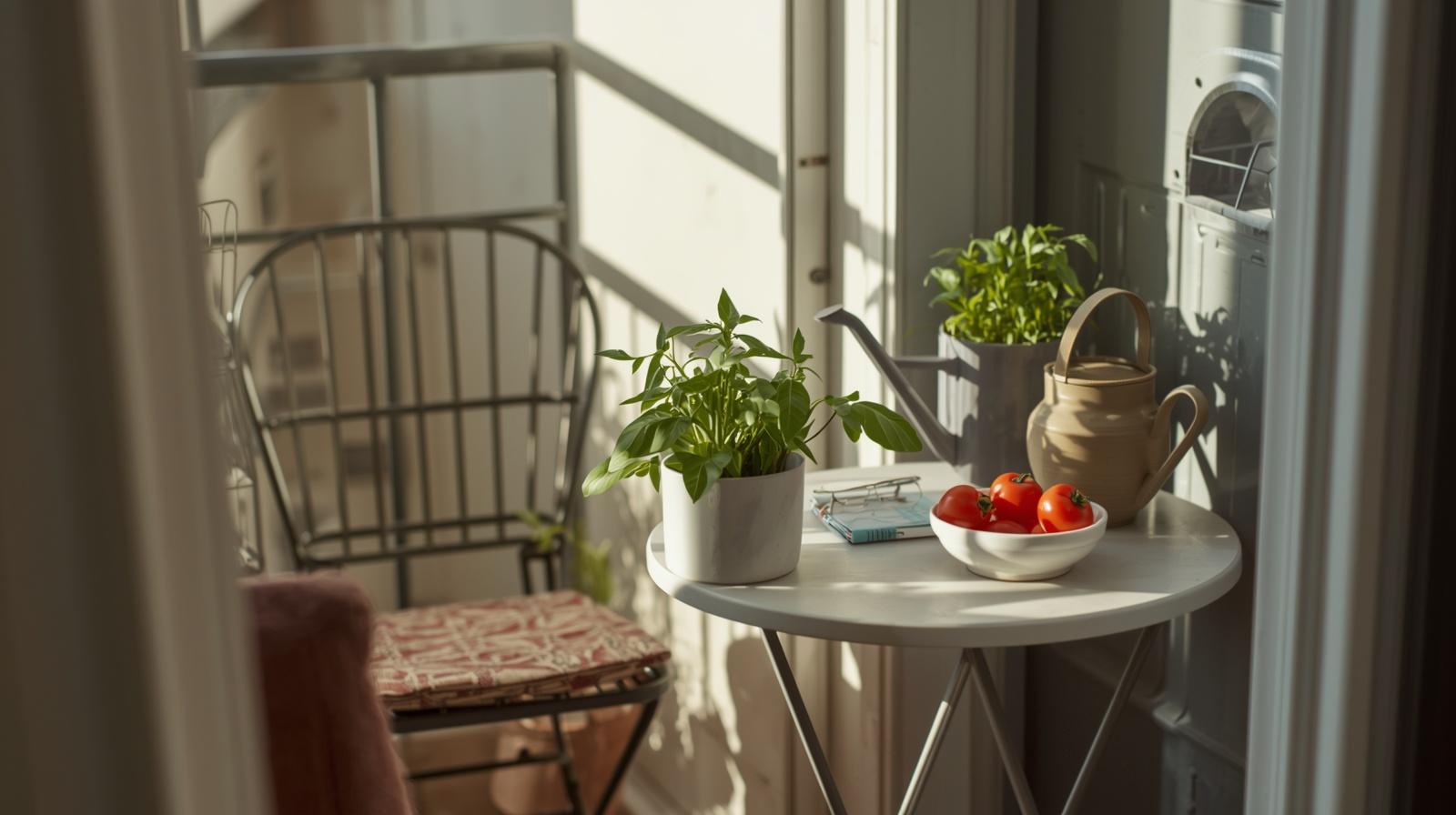
Next, decide how many containers fit comfortably in your space without making it feel cramped. For small space container gardening ideas, think vertical: wall planters, shelves, or a simple plant stand can turn one corner into a mini garden. Railing planters are handy for container gardening for city dwellers because they use the balcony edge instead of the floor. Keep walkways clear and avoid blocking doors or emergency exits.
Step 3: Fill Containers and Plant
Fill your containers about two‑thirds to three‑quarters full with moist potting mix, gently breaking up any clumps. If you’re planting seedlings, remove them from their nursery pots, loosen the roots lightly, and set them into the soil at the same depth they were growing before. For seeds, follow the spacing and depth on the packet, especially for compact vegetables for small spaces like radishes or salad greens. Leave a small gap at the top of each pot so water doesn’t overflow.
Step 4: Water, Position, and Observe
After planting, water thoroughly until you see water draining from the bottom, then let the containers drain fully. Place sun‑loving plants like growing tomatoes in containers on a balcony where they’ll get several hours of direct light. For growing lettuce in pots indoors, choose a bright window with softer light so the leaves don’t scorch. Over the next week, watch how your plants respond and adjust their position slightly to find that sweet spot of light and airflow.
Easy Plant Ideas for Tiny Apartments and Balconies
Here’s where it gets fun: choosing what to grow. These small space container gardening ideas are perfect for a beginner who doesn’t want high‑maintenance plants.
Herbs to Grow in Containers Indoors
- Basil (loves a bright, warm window)
- Parsley (handles partial sun well)
- Chives (great in a small pot on the kitchen counter)
- Mint (vigorous—give it its own pot)
- Thyme or oregano (low and tidy on sunny sills)
Beginner‑Friendly Vegetables and Greens
- Lettuce mixes (cut‑and‑come‑again for salad bowls)
- Spinach or arugula for cooler, lower‑light spots
- Radishes in deeper pots for quick harvests
- Compact cherry tomatoes for balconies
- Small pepper varieties in sunny containers
Compact Vegetables for Small Spaces
Look for plant labels that say “dwarf,” “patio,” or “compact,” especially for tomatoes, peppers, and bush beans. These are bred to stay small but still produce well in containers. They’re ideal for balcony container gardening tips where floor space is limited but vertical space and sunlight are decent.

Low‑Light and Limited‑Sun Apartment Gardening
If your apartment doesn’t get full sun, you can still grow plenty of things—it just changes what you plant and where you place it. Apartment gardening with limited sunlight is about leaning into leafy greens, herbs, and plants that enjoy softer light. You can create an entire low‑light corner with herbs to grow in containers indoors, lettuce, and shade‑tolerant greens.
Focus on:
- Leafy greens like lettuce, spinach, and arugula in bright, indirect light
- Herbs like parsley, mint, and chives near east‑ or north‑facing windows
- Moving containers slightly during the day to grab extra rays (without overthinking it)
How to position containers for maximum sun: place taller plants behind shorter ones, avoid crowding against walls that block light, and rotate pots weekly so all sides get some sun. If your space is very dark, consider one small grow light over your “plant corner” to support indoor container gardening for beginners.
Common Container Gardening Mistakes Beginners Can Avoid
Even easy container gardening for beginners comes with a few common pitfalls—but you can avoid most of them with a little awareness. Troubleshooting common container gardening problems usually comes down to water, light, and plant choice.
Some common mistakes:
- Using heavy garden soil instead of container potting mix
- Choosing pots without drainage holes
- Overwatering because you’re worried they’re “thirsty”
- Putting sun‑loving plants in low‑light corners
- Cramming too many plants into one small container
- Ignoring yellowing leaves, pests, or drooping until it’s too late
Remember, container gardening care for beginners is a learning process; every “mistake” is just data for your next planting.
Life Before vs After a Tiny Apartment Container Garden
Before you start container gardening in a small apartment, your space might feel a bit flat—bare balcony, empty windowsills, and store‑bought herbs that wilt in the fridge. The mental load of city living can feel heavy when everything is concrete and screens. After you set up even a tiny container garden, you get pops of green, the ritual of watering, and the small joy of clipping basil for dinner. Container gardening for city dwellers becomes a grounding routine, especially when your day is otherwise indoors and digital.
Imagine:
- Before: lifeless balcony, no reason to step outside with your morning coffee
- After: a few pots of lettuce, herbs, and compact flowers pulling you out for fresh air
- Before: “I kill every plant” mindset
- After: “I’m learning; I kept this basil alive for three months”
- Before: feeling stuck by rental rules
- After: renter‑friendly containers you can move with you when you leave
Simple Habits and Mindset Shifts to Make It Stick
The biggest secret to long‑term container gardening for beginners isn’t a fancy fertilizer—it’s your mindset. Instead of trying to create a magazine‑worthy balcony overnight, treat your plants as a gentle experiment. You’re allowed to learn, and you’re allowed to have a few plants not make it.
Try these mindset shifts:
- “I can start with one pot and that counts.”
- “Every plant teaches me something, even if it doesn’t thrive.”
- “Slow, small steps fit better with my real life.”
A simple affirmation you can repeat when you feel behind: “I’m allowed to grow slowly, just like my plants.” This turns your apartment container gardening for beginners into a calm home ritual, not another perfectionist project.
Using a Simple Planner or Tracker for Your Apartment Garden
If your brain is juggling work, home, and about 42 open tabs, a tiny bit of structure helps. A simple on‑paper or digital planner for your container garden can remind you how often to water container plants, when you last fed them, and what you planted where. It doesn’t need to be perfect—just something to glance at once a week.
Include sections like:
- A plant list (name, container, location, sunlight needs)
- Weekly watering and feeding checklist
- Notes on troubleshooting common container gardening problems
- A mini harvest log (what you picked and when)
When you track these things, you’ll start seeing patterns—like which spot is too hot for lettuce or which pot dries out faster than the others.
Next Steps and a Cozy Apartment Gardening Toolkit
Once your first few containers are planted, your job is mostly showing up consistently. To make it easier, create a mini “calm gardening toolkit” you keep in one spot so you’re not hunting for tools every time. This might include your watering can, fertilizer, scissors, and your planner or tracker.
Your next steps:
- Pick one area (balcony, windowsill, or corner) to turn into a mini garden
- Choose 3–5 plants from the ideas list above
- Set a recurring reminder for “plant check‑in” once or twice a week
You can also create a small binder or digital folder with your on‑paper planner, seed packets, favorite DIY container garden ideas for beginners, and photos of your progress. This keeps your container gardening in a small apartment feeling intentional, not chaotic.
FAQs About How to Start Container Gardening in Your Apartment (Beginner Guide)
How much time does apartment container gardening really take each week?
For a small beginner setup with 3–6 containers, expect about 10–20 minutes a few times a week. Most of that is watering, quickly checking leaves, and harvesting herbs or greens. During very hot weather, balcony container gardening tips often include watering once a day, but indoors you may water less often depending on your light and pot size. As you get used to how often to water container plants in your specific apartment, the routine becomes almost automatic.
What if my apartment has very little natural light?
Apartment gardening with limited sunlight is common, especially in city apartments with nearby buildings. Focus on low light container gardening plants like lettuce, spinach, and shade‑tolerant herbs such as parsley, mint, and chives. Place them close to the brightest windows, even if the light is indirect. If things still struggle, consider one small grow light to support indoor container gardening for beginners; you can start with just one shelf or corner.
Is container gardening possible on a tiny balcony?
Yes—container gardening in a small apartment balcony is one of the best ways to grow more in less space. Use vertical container gardening small spaces tricks like wall planters, plant stands, or railing boxes to keep the floor clear. Choose compact vegetables for small spaces and herbs that won’t outgrow their pots. Make sure your containers have drainage and place saucers underneath to protect the balcony floor.
What are the best plants for beginner apartment gardeners?
Best plants for apartment container gardens include herbs to grow in containers indoors (basil, parsley, mint, thyme), leafy greens like lettuce and spinach, and smaller vegetables such as cherry tomatoes, radishes, and compact peppers. These are classic beginner‑friendly vegetables for containers because they don’t need complex pruning or huge root spaces. Start with what you actually like to eat so caring for them feels rewarding.
How do I handle pests or problems in my containers?
Troubleshooting common container gardening problems usually starts with observation. If leaves are yellowing, drooping, or spotted, check your watering routine, light exposure, and the undersides of leaves for pests. Remove very damaged leaves, adjust water or light, and consider gentle treatments like insecticidal soap if needed. Remember, container gardening for city dwellers is a learning curve; you don’t need to know everything on day one to start.
Start Small and Let Your Garden Grow with You
You don’t have to turn your whole apartment into a greenhouse to call yourself a gardener. One pot of basil on the windowsill or a single container of lettuce on your balcony absolutely counts. Small space container gardening ideas are meant to flex with your real life, energy, and budget. Start tiny, notice what works, and let your container garden grow slowly alongside you. Save this post so you can come back to it as you plant, and follow @theclutteredblog on Pinterest for more cozy, renter‑friendly home and garden ideas.