








If you’re living with depression or constant low motivation, figuring out what to eat can feel like climbing a mountain in flip‑flops. Weekly meal prep for depression and low motivation isn’t about being “perfect” or cooking like a food blogger; it’s about staying fed with the least possible stress. When your energy is low, easy meal prep for depression symptoms can be the quiet support that keeps your brain and body going. This guide walks you through simple, depression friendly meal prep, no‑cook options, freezer meals for low motivation, and routines that work with executive dysfunction instead of fighting it. Save this post to come back to on hard weeks, and follow @theclutteredblog on Pinterest for more cozy, low‑spoon routines.


What Depression‑Friendly Weekly Meal Prep Really Is (and Isn’t)
Weekly meal prep for depression and low motivation is not a rigid Sunday marathon where you cook for five hours and fill a perfect fridge. It’s a loose, flexible system that makes sure “future you” has something easy, safe, and kind to eat when executive dysfunction hits and decision‑making feels impossible. Think “minimum effort, maximum support”: a weekly meal plan for low energy that uses shortcuts, repetition, and convenience foods without guilt. Instead of chasing variety, you’ll lean on simple meal prep for mental health that keeps you nourished and removes as many decisions as possible.
This kind of depression friendly meal prep focuses on three things: reducing steps, reducing decisions, and reducing clean‑up. That might mean low spoon meal prep depression options like microwavable grains, pre‑washed salad, and a single pan you use for almost everything. It might mean having a few “weekly depression meals easy” that you repeat every single week because your brain doesn’t have to think about it. There is no “too lazy” here—if you’re fed, it counts.
Why Weekly Meal Prep Helps When You’re Depressed
Depression can drain your motivation, disrupt your appetite, and make everyday tasks feel overwhelming, so it’s no surprise cooking often ends up last on the list. When you’re in that headspace, even boiling pasta or chopping an onion can feel like too much. Weekly meal prep when depressed isn’t about forcing yourself to cook a lot; it’s about using little pockets of okay energy to protect your more fragile days later.
Eating something—even something simple—helps stabilize energy, mood, and blood sugar, which in turn can soften some depression symptoms. Easy meals for depression symptoms that are predictable and repeatable also lower the daily mental load, because you’re not reinventing “what’s for dinner?” every night. Think of it as building a soft landing for your hardest days: your food is partly decided, partly prepped, and doesn’t ask a lot from you.
The Gentle Meal Prep Framework: 5 Key Pillars
To make weekly meal prep for depression and low motivation feel doable, use these five simple pillars instead of strict rules. You can treat them as a loose checklist and pick just one or two to focus on each week.
- Safe, repeatable meals
Choose 3–7 “safe meals” you reliably like and can handle on low‑spoon days, such as a grain bowl, a simple sandwich, a microwave soup with bread, or yogurt with fruit. These become the backbone of your depression friendly meal prep. - Minimal effort, minimal dishes
Prioritize one pan meal prep low energy options (sheet pans, skillet meals, slow cooker), plus no cook meal prep depression ideas like bagged salad with rotisserie chicken or a snack plate dinner. - Batch once, benefit all week
Batch cooking for depression doesn’t need to be dramatic; even doubling a pasta bake or making extra roasted veggies counts. The goal is to batch cook for mental health in tiny ways that give you leftovers and low motivation meal prep ideas for later in the week. - Freezer as your future‑you pantry
Freezer meals for low motivation are your best friend: cooked rice, soup, chili, marinated chicken, frozen veggies, and pre‑portioned leftovers. Label and date them so there’s zero guesswork when you’re exhausted. - Permission to use convenience food
Depression meal prep hacks include canned soup, pre‑chopped veggies, rotisserie chicken, microwave rice, frozen dumplings, or prepared salads. These are tools, not failures—they turn “I can’t cook” into “I can heat and eat.”
What You Actually Need: Low‑Spoon Meal Prep Starter Kit
You don’t need a fancy pantry or 20 glass containers to make weekly meal prep when depressed work. A simple starter kit keeps things realistic and low‑maintenance.
Essentials for minimal effort weekly meal prep:
- 2–4 containers you don’t hate washing (lids that actually match).
- A sheet pan, one decent skillet, and one pot or Dutch oven.
- A sharp knife you only sharpen occasionally, plus a cutting board.
- A few go‑to seasonings (salt, pepper, garlic, mixed herbs, soy sauce, maybe one favorite sauce).
- Basic staples: pasta or rice, canned beans, frozen veggies, eggs, bread or wraps.
Mood and mindset extras that help simple meal prep for mental health feel softer:
- A playlist or podcast you only listen to while prepping, so it feels like a small ritual.
- A chair or stool in the kitchen so you can sit while chopping or stirring.
- A small trash bowl on the counter so you’re not walking back and forth to the bin.

A Gentle Step‑by‑Step Weekly Meal Prep Flow
Use this low motivation meal prep routine as a loose template. You can do it in one block or spread it over a couple of days—whatever matches your spoons and depression symptoms.
Step 1: Choose Your 3–5 Anchor Meals
Anchor meals are the “safe meals” you’ll lean on during the week: maybe oatmeal and fruit, a one pan chicken and veggies, a big pot of soup, and a sandwich night. Aim for a mix of one breakfast, one or two lunches, and one or two dinners that fit your weekly meal plan for low energy.
Step 2: Make a Tiny Grocery List
Look at your anchor meals and write the smallest possible shopping list—no more, no less. Weekly prep for executive dysfunction works best when you avoid long, wandering shopping trips. Stick to similar ingredients so you’re essentially buying for a small rotation of meals instead of seven completely different recipes.
Step 3: Batch 1–2 Basics (Not Everything)
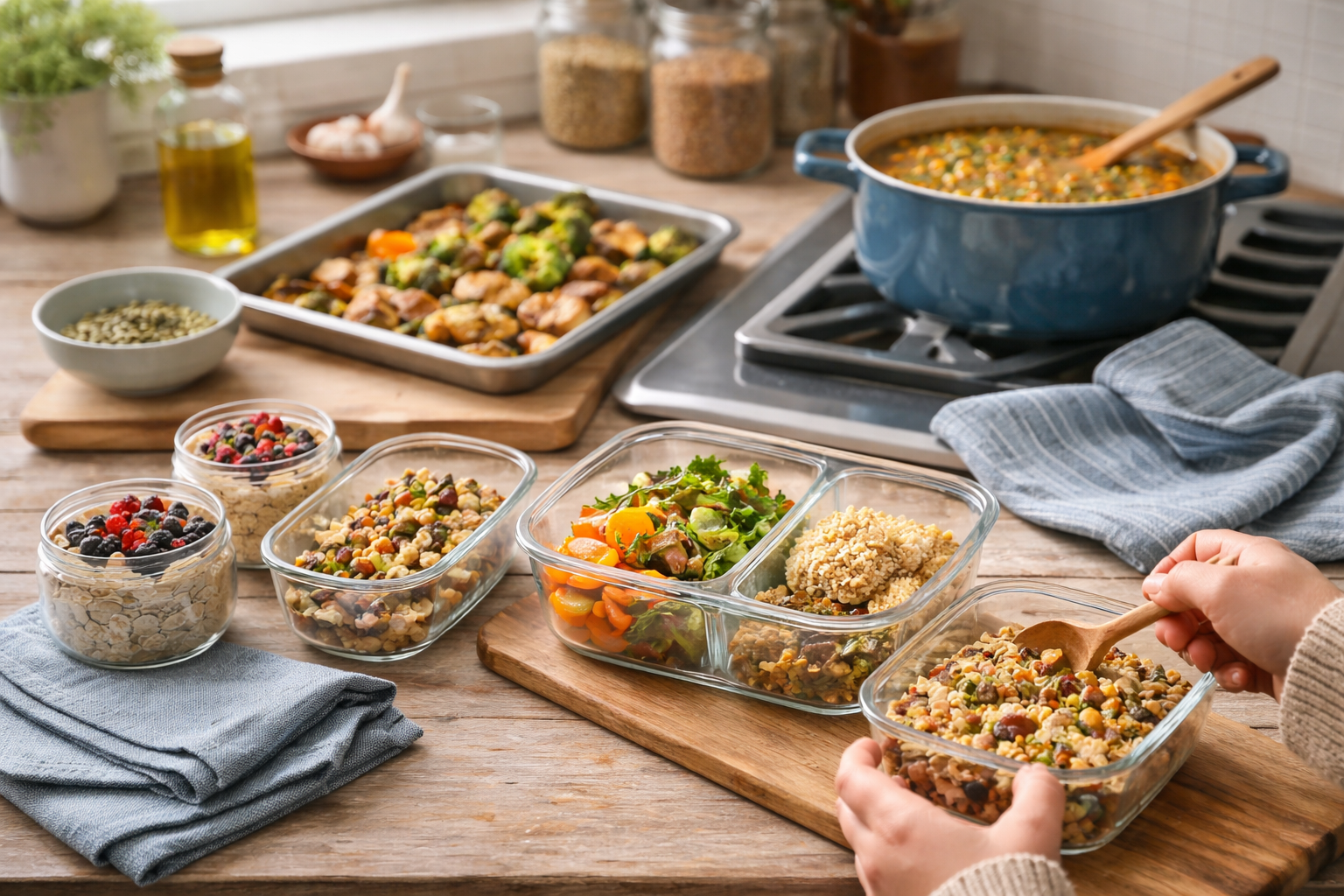
Pick one or two components to batch cook for depression instead of trying to prep full meals: maybe a pot of rice and a tray of roasted vegetables, or a big batch of lentils and hard‑boiled eggs. This is minimal effort weekly meal prep that still gives you building blocks for quick bowls, wraps, or snacky plates.
Step 4: Prep Future‑You Snacks and Freezer Meals
If you have a bit of extra energy, use it to set up future‑you. Portion leftovers into individual containers, tuck a couple of servings into the freezer, and set aside a few simple snacks like yogurt cups, washed fruit, or nut packs. This is where freezer meals for low motivation and easy meals for depression symptoms really shine: when you’re too tired to cook, you’re basically just reheating a kind note you left for yourself last weekend.
15+ Lazy, Depression‑Friendly Meal Prep Ideas (Low‑Spoon Approved)
Use this section as a menu of low motivation meal prep ideas. Mix and match them into your weekly meal plan for low energy, and repeat your favorites as many weeks as you want.
Breakfast ideas:
- Overnight oats with frozen berries and peanut butter.
- Yogurt, granola, and banana in a jar (prep 3 at a time).
- Wholegrain toast with scrambled eggs and spinach (use frozen greens).
- Smoothie bags in the freezer (fruit + spinach + seeds) you just blend with milk.
Lunch ideas:
- No cook meal prep depression bowls: bagged salad, rotisserie chicken, nuts, and dressing.
- Hummus plate with crackers, cherry tomatoes, carrots, olives, and cheese cubes.
- Canned bean salad with corn, bell peppers, lime, and salt.
- Leftover roasted veggies over microwave rice with a fried egg on top.
Dinner ideas:
- One pan meal prep low energy sheet pan: chicken thighs or tofu, potatoes, and frozen veggies.
- Big pot of lentil or bean soup: freeze half for another week.
- Pasta with jarred sauce, frozen spinach, and canned beans stirred in.
- Frozen dumplings with frozen veggies, served over microwave rice.
Emergency low‑spoon options:
- “Snack dinner”: crackers, cheese, fruit, nuts, and whatever veggies you have.
- Heat‑and‑eat soup pouch with bread and a piece of fruit.
- Cereal with milk and a handful of nuts.

Before vs After: What Changes When Meal Prep Supports Your Mental Health
Before depression friendly meal prep, your evenings might look like this: it’s 9 pm, you realize you haven’t eaten, nothing sounds good, and the idea of cooking makes you want to cry. You end up skipping dinner or grabbing whatever ultra‑processed option arrives fastest, then feel guilty, more exhausted, and even less motivated the next day. Food feels like another thing you’re “failing” at, instead of basic care you deserve.
After even minimal effort weekly meal prep, your week looks softer, not perfect. Dinner might still be a frozen soup or leftovers from a one pan meal prep low energy recipe, but you’re eating earlier, with less panic and fewer dishes. Your fridge has a couple of easy meals for depression symptoms waiting, and your freezer holds at least one comforting batch cooking for depression meal you can reheat. Instead of “What do I cook?” your brain quietly shifts to “Which prepped thing do I reheat?”—a tiny, powerful upgrade.
Mindset, Habits, and Tiny Affirmations to Make It Stick
Weekly meal prep for depression and low motivation works best when you deliberately lower the bar and remind yourself that “good enough” is more than enough. Your job is not to eat perfectly; it’s to stay gently fed. Consider adopting a few mindset rules: one, any meal that feeds you is a win; two, shortcuts are tools, not cheating; three, repetition is allowed and encouraged.
You can also build one or two habits around your energy patterns, like doing a 20‑minute Sunday check‑in (pick safe meals, make the grocery list) or prepping just one component like rice or soup. Pair that with simple affirmations that counter perfectionism and self‑criticism, such as:
- “Feeding myself counts as real self‑care.”
- “It’s okay to rely on easy, lazy meal prep on hard days.”
- “I don’t need fancy meals; I just need enough food.”
Repeat them while you stir a pot, pack leftovers, or even microwave a frozen meal. You’re rewriting the story from “I’m failing at cooking” to “I’m quietly taking care of myself in the way I can today.”
Using a Simple Weekly Meal Prep Planner (Even With Executive Dysfunction)
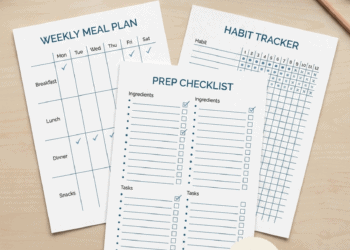
If your brain likes seeing things on paper (or on screen), a super simple planner can make weekly prep for executive dysfunction easier. Think: one page with three sections—“This Week’s Safe Meals,” “Stuff to Prep Once,” and “Emergency Low‑Spoon Foods.” Keep it on the fridge or in your notes app.
Here’s how to use a simple meal prep for mental health planner:
- At the start of the week, list 3–7 safe meals in the first box (repeat from week to week).
- In the second box, add 1–3 things you might batch cook (like rice, soup, or roasted veggies).
- In the third box, list your true emergency options: cereal, soup pouches, frozen meals, snack plates.
- After you eat something, put a small check next to it—not for perfection, just to see what you actually use.
Over time, this becomes a low‑pressure tracker that shows you which depression meal prep hacks truly work for you and which ones you can let go of.
Your Calm Weekly Meal Prep Toolkit (Free Resource Idea)
To make this even easier, imagine having a tiny “Calm Meal Prep for Low Motivation” bundle you can reuse every week. It could include:
- A one‑page weekly depression meals easy planner (the safe‑meals/batch‑once/emergency‑foods layout).
- A freezer inventory sheet so you actually remember those freezer meals for low motivation exist.
- A low‑spoon grocery list with your favorite convenience foods and staples.
- A mini recipe card page for your safe meals.
You can recreate this with notebook paper, a notes app, or printable pages you design or download. Treat it like a soft support system, not another productivity project; you’re allowed to scribble, cross things out, and use it imperfectly. If you love this idea, keep an eye on thecluttered.com and @theclutteredblog—we love turning calm routines into simple, printable tools you can actually use.
3‑Day Mini Challenge: Start Tiny With Depression‑Friendly Meal Prep
Instead of overhauling your whole week, try a tiny 3‑day challenge to test simple meal prep for mental health. This is especially helpful if you’re worried about food going bad or if your energy is very unpredictable.
- Day 1: Pick 2–3 safe meals and write them down; buy only what you need for those meals.
- Day 2: Batch cook just one thing (like a pot of rice, a pasta bake, or a soup) and portion a couple of servings into the freezer.
- Day 3: Eat at least one thing you prepped, even if it’s just reheating soup or assembling a snack plate.
This little lazy meal prep for bad days experiment helps you see what actually feels manageable without committing to a full weekly routine. From there, you can add one more prep step or safe meal at a time.
FAQs About Weekly Meal Prep for Depression and Low Motivation
How do I meal prep when I have almost zero energy?
If your energy is extremely low, skip full weekly meal prep and focus on micro‑steps: buying a few ready‑to‑eat or minimal prep foods, like soup pouches, microwave rice, yogurt, fruit, and frozen meals. Consider no cook meal prep depression options such as bagged salad with pre‑cooked protein, hummus plates, or simply cereal with added nuts for staying power. When a slightly better day appears, use 15–20 minutes to prep one thing that creates leftovers, like a pot of pasta or a pan of roasted veggies. Remember that heating up a freezer meal or opening a can absolutely counts as meal prep when depressed.
What if I can’t stick to a weekly plan because my mood changes?
Depression and low motivation naturally cause ups and downs, so rigid weekly meal plans can backfire. Instead, create a weekly meal plan for low energy that’s more like a flexible menu: list safe meals and emergency options, but decide day by day what you feel up to. Keep ingredients versatile so you can mix and match (for example, cooked rice works for stir‑fries, bowls, and soup). It’s okay if you only use part of your plan; the goal is to reduce decision fatigue, not control every meal.
Are freezer meals really okay for depression‑friendly eating?
Yes—freezer meals for low motivation can be a lifesaver, and frozen food is often just as nutritious as fresh. Freezing leftovers from batch cooking for depression gives you low‑spoon options that are homemade but require almost no work later. You can also stock frozen veggies, dumplings, fish, or chicken tenders to make quick one pan meal prep low energy dinners. Aim for a mix of homemade and store‑bought freezer meals so you always have something you can just heat and eat.
How can I do weekly meal prep in a tiny kitchen or dorm?
In small spaces, minimal effort weekly meal prep is all about minimizing equipment and dishes. Lean on one pot and one pan recipes, microwave‑friendly meals, and no cook meal prep depression ideas like salads, wraps, and snack plates. Use stacking containers and freezer bags to save space and store batch cook for mental health portions flat when possible. A small cutting board, one sharp knife, and a few pantry staples can still support a surprisingly solid rotation of weekly depression meals easy.
What if cooking feels overwhelming because of executive dysfunction?
Executive dysfunction makes multi‑step tasks feel impossible, so break meal prep when depressed into tiny, separated tasks. For example, one task can be “pull safe meal list onto the fridge,” another is “order or pick up groceries,” and another is “cook rice only.” Use timers, visual lists, and checkboxes to track where you’re at, and let pre‑chopped veggies, pre‑cooked proteins, and prepared foods do most of the heavy lifting. Every shortcut you take is a tool supporting your brain, not a sign you’re doing it wrong.
Start Small This Week
You don’t have to become a meal prep person overnight to deserve regular, comforting food. One pot of soup, one tray of roasted veggies, or even one freezer meal tucked away for a future bad day is enough to start. Treat weekly meal prep for depression and low motivation as a soft experiment, not a test you can fail. Save this post so you can come back to the ideas when you have a little more energy, and follow @theclutteredblog on Pinterest for more cozy, low‑spoon routines that meet you exactly where you are.